 Guatemala
  México
  Perú
Perú  Costa Rica
  USA
USA Commercial Greenhouse Buying Guide: 10 Questions to Ask Before You Commit
Buying a commercial greenhouse is a major decision. These are the questions experienced growers wish they had asked before signing anything.
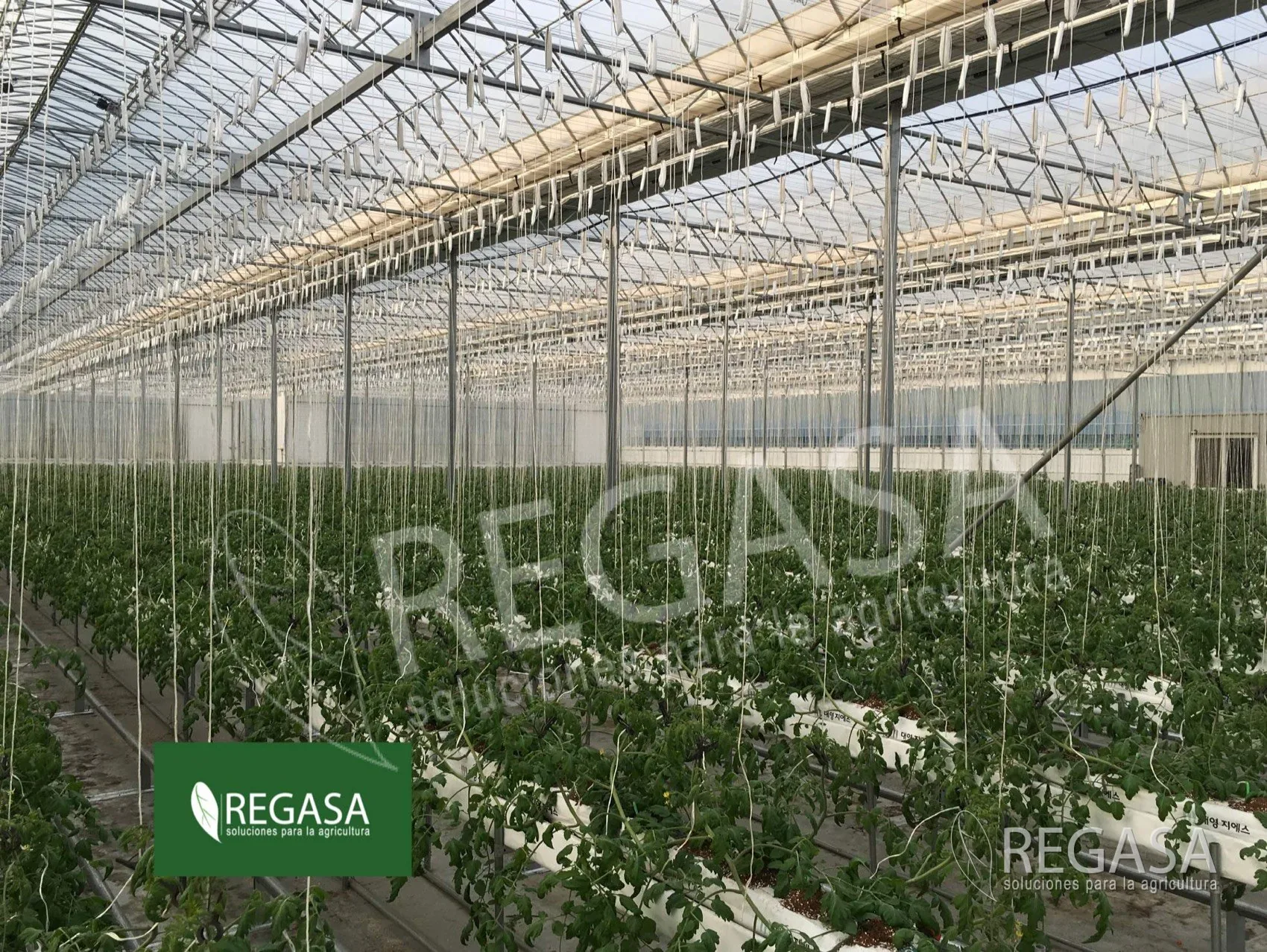
A commercial greenhouse is not a purchase you make twice. Get it right and you’ve built the foundation for a serious farming operation. Get it wrong and you’re dealing with structural problems, ventilation failures, or a system that doesn’t match your crop for years.
The growers who end up unhappy with their greenhouse almost always trace the problem back to the buying process. They were sold on what sounded good rather than what actually fit their situation. These ten questions help you cut through the sales pitch and figure out what you actually need.
1. What crop am I growing, and has this structure been used for it before?
This sounds obvious, but it gets skipped constantly. A greenhouse designed for tomatoes and one designed for leafy greens are not the same structure. Height, ventilation placement, gutter design, and even the plastic covering affect crop performance differently.
Ask your supplier for references from growers using this specific structure for your specific crop. If they can’t provide them, that’s useful information.
2. What are the snow load and wind ratings, and do they meet my county’s building code?
In northern states this is a safety and insurance issue. In hurricane-prone areas it’s critical. Most counties have minimum structural requirements for permanent agricultural structures, and some require permits.
A structure that doesn’t meet local code can create liability problems and may not be covered by your farm insurance if it fails. Get the engineering specs in writing and verify them with your local building department before you commit.
3. What is the ventilation strategy, and who designed it?
Bad ventilation is the number one reason greenhouse operations struggle in summer. If the structure can’t shed heat adequately, your crops suffer and your cooling costs spike.
Ask specifically how the ventilation was designed for your climate. Roof vent placement, size relative to floor area, and side wall ventilation all matter. A competent supplier should be able to walk you through the airflow logic, not just show you where the vents are.
4. What covering is included and what is the expected lifespan?
Polyethylene film, polycarbonate panels, and other covering materials perform very differently in terms of light transmission, thermal retention, UV resistance, and longevity. The covering is also one of the recurring costs in greenhouse ownership since it needs to be replaced periodically.
Ask for the UV rating of the plastic, the expected lifespan in your climate zone, and what the replacement process looks like. A covering that lasts three seasons in a mild climate might last one in intense southern sun.
5. Does the structure require welding for installation, and what does the installation process look like?
Weld-free structures are faster to install, easier to modify, and simpler to repair. If a component fails in a welded structure, you’re looking at metalwork on-site. With mechanical connections, you replace the part.
Ask how installation is handled and whether your crew can do it or whether the supplier provides installation. Understand the foundation requirements, especially if you’re on rented land where you may need to relocate the structure eventually.
6. What irrigation system do I need, and does the supplier help design it?
The structure and the irrigation system need to be planned together. A greenhouse with drip tape that isn’t matched to the crop’s spacing, the water source’s pressure, or the fertigation system you want to run is going to create headaches.
Some suppliers provide complete turnkey systems including irrigation design. Others sell you the structure and leave irrigation to someone else. Know which situation you’re in before you buy, and if irrigation isn’t included, make sure you have a plan for it.
7. What does the supplier’s after-sale support look like?
This matters more than most growers realize before they buy their first greenhouse. Equipment breaks, questions come up during the first season, and situations arise that weren’t covered in the manual.
Ask specifically: Is there a technical support line? Are replacement parts stocked domestically or do they ship from overseas? What is the typical response time when something goes wrong? Talk to existing customers if you can.
8. How long has this supplier been operating in the U.S. market, and can I visit a reference installation?
A supplier with ten installations in the U.S. and a supplier with ten thousand installations globally are different propositions. Understanding which situation you’re in helps you calibrate the risk.
If possible, visit an existing installation of the same structure you’re considering and talk to the grower who is running it. Ask what they would do differently. The candid answers you get from other farmers are worth more than any spec sheet.
9. What happens if something fails in year one?
Structural issues, covering defects, and installation problems do happen. The question is what the supplier’s process is for handling them.
Ask for the warranty terms in writing. Understand what’s covered and what isn’t, what the claims process looks like, and what the supplier’s track record is on honoring warranty commitments. This is another area where talking to existing customers is valuable.
10. Am I buying for where my operation is now or where I want it to be?
This one is on you, not the supplier. It’s tempting to buy the minimum structure that meets today’s needs, but if you’re planning to expand in three years, the decisions you make now affect how cleanly that expansion goes.
Think about whether the structure design allows for future bays to be added. Consider whether the irrigation infrastructure you’re putting in can handle more volume. Plan the electrical and water supply with headroom.
The farmers who feel most confident about their greenhouse investment are the ones who made their decision based on a clear picture of their operation’s future, not just today’s cash flow.
One More Thing
The buying process is also a good test of the supplier relationship. If a supplier is pushing you to commit before you have answers to these questions, that’s worth paying attention to. The right supplier will welcome these questions because a well-informed customer makes for a successful installation.
We’ve been working with greenhouse growers for over 30 years. If you want to talk through your project before you make any decisions, reach out. No commitment required.
What we build
The products behind this article
Want this sized for your farm?
Tell us your crop, your acreage and your state. An advisor comes back with the structure that fits your climate, within one business day. No obligation.
Keep reading