
 Guatemala
  México
  Perú
Perú  Costa Rica
  USA
USA Floating Row Cover
A lightweight nonwoven fabric laid right over the crop: it protects against frost, extends the season and keeps insects out, while letting light, water and air through. Rolls up to 5 ft wide x 3,300 ft.
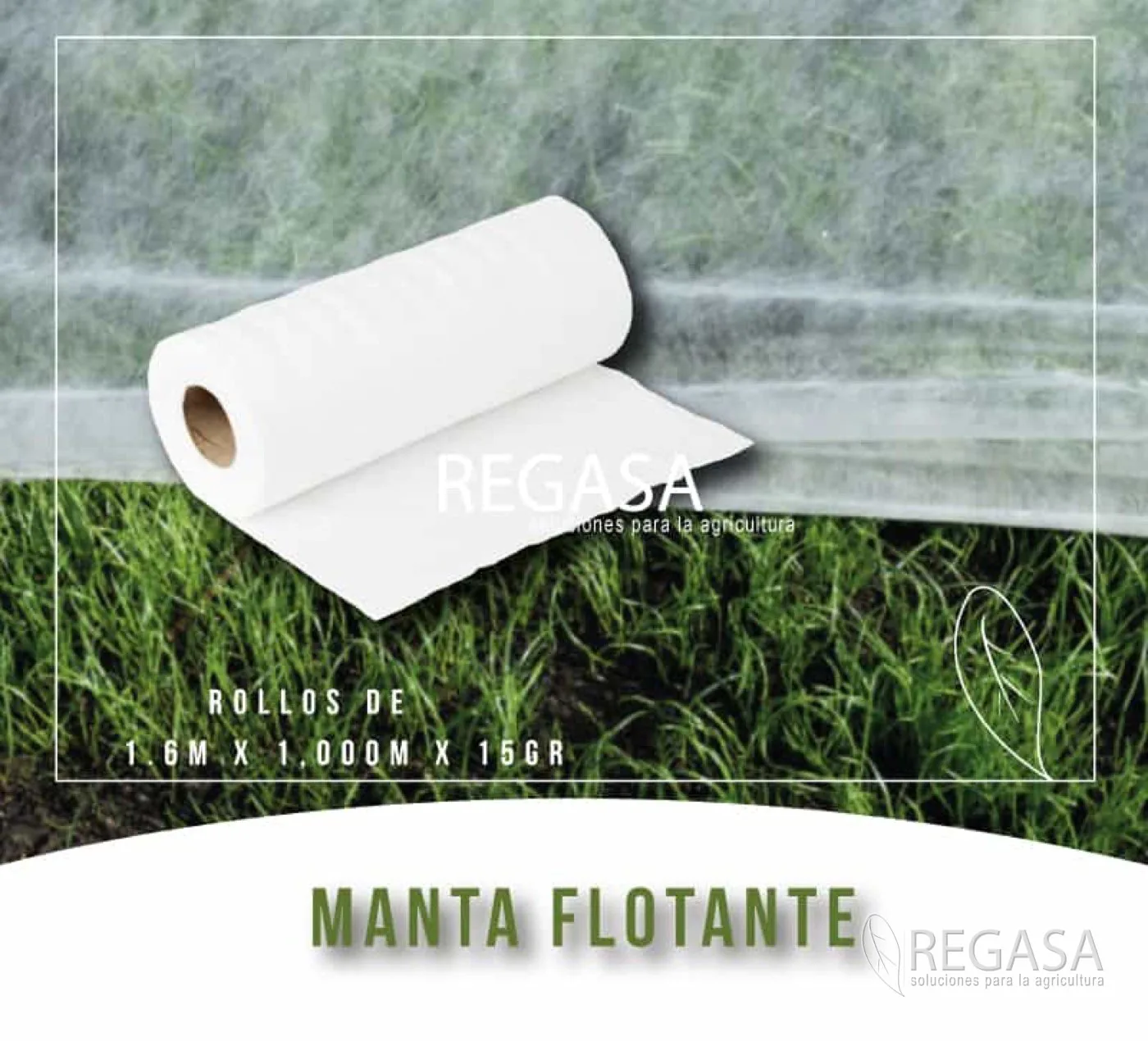
What is a floating row cover?
A floating row cover, also called thermal blanket or agrotextile, is a lightweight nonwoven fabric (polypropylene) laid directly over the crop. It is called floating because it is so light it rests on the plants without crushing them, and needs no structure to hold it up.
The fabric lets light, water and air through, but traps heat. During the day light comes in and the soil warms; at night the cover holds that heat and keeps the temperature underneath several degrees warmer than outside. That creates a microclimate that protects the crop from cold, pests and wind.
By day
Light passes through and warms the soil and the crop.
By night
The cover traps the stored heat, keeping the crop several degrees warmer.
All the time
It physically blocks insects, birds and wind, with no structure to build.
What a row cover does
One simple fabric solves several problems at once, with no structure to build.
Frost protection
Traps soil heat overnight and lifts the temperature under the fabric, preventing cold damage.
Season extension
Plant earlier and harvest later, gaining productive weeks at both ends of the season.
Insect barrier
Physically covers the crop and reduces pests like whitefly and aphids, cutting chemical use.
Light, water & air permeable
You can irrigate right over it and the crop breathes through it, no need to remove it to water.
Common uses
Vegetables & melon
Early protection and pest barrier for open-field vegetables.
Strawberry & berries
Brings flowering forward and protects fruit set from cold in frost-prone areas.
Nurseries & seedbeds
Covers freshly transplanted seedlings while they establish.
Specs
- Material: spunbond nonwoven (PP)
- Weight: 15-17 g/m² (light) up to heavier for frost
- Width: up to 5 ft
- Roll length: up to 3,300 ft
- UV-stabilized for field life
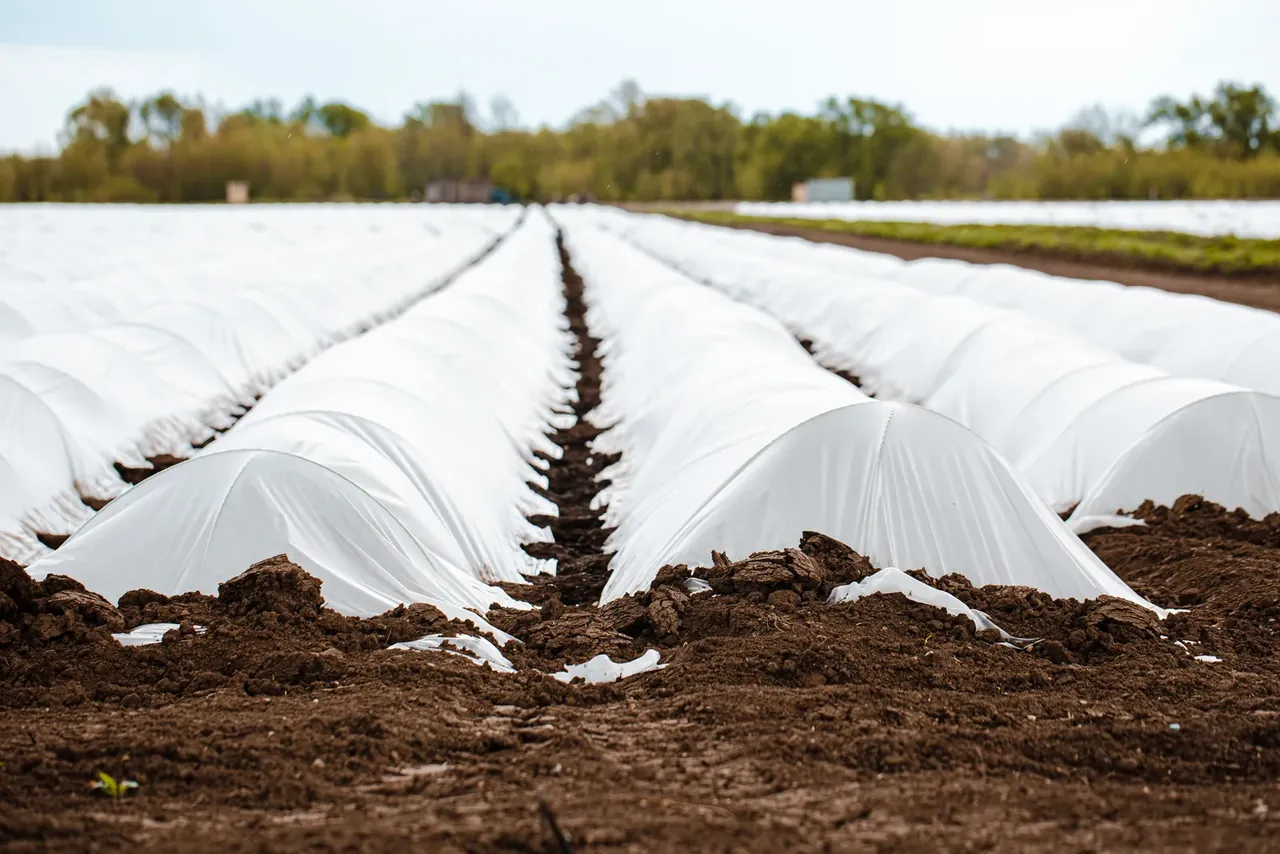
Row covers in the field
Frequently Asked Questions
What is a floating row cover?
How does it protect from frost?
Does it need a structure or hoops?
Can I irrigate over the row cover?
Does it work as an insect barrier?
Which fabric weight should I choose?
Which crops is it used for?
How many seasons does the fabric last?
Protect your crop this season
Tell us your crop and area and we'll recommend the right weight and width.
Request Free QuoteTwo minutes, three fields
Tell us what you grow and where
That is enough for an advisor to come back with something useful: the structure that fits your climate, what it involves, and what to plan for. No obligation.