
 Guatemala
  México
  Perú
Perú  Costa Rica
  USA
USA Commercial Greenhouses, Built for American Growers
Polyethylene and polycarbonate greenhouses, high tunnels and gutter-connected ranges, engineered to your snow and wind load and built for North America with fast lead times. Our high tunnels can qualify for USDA NRCS cost-share through the EQIP High Tunnel Initiative.
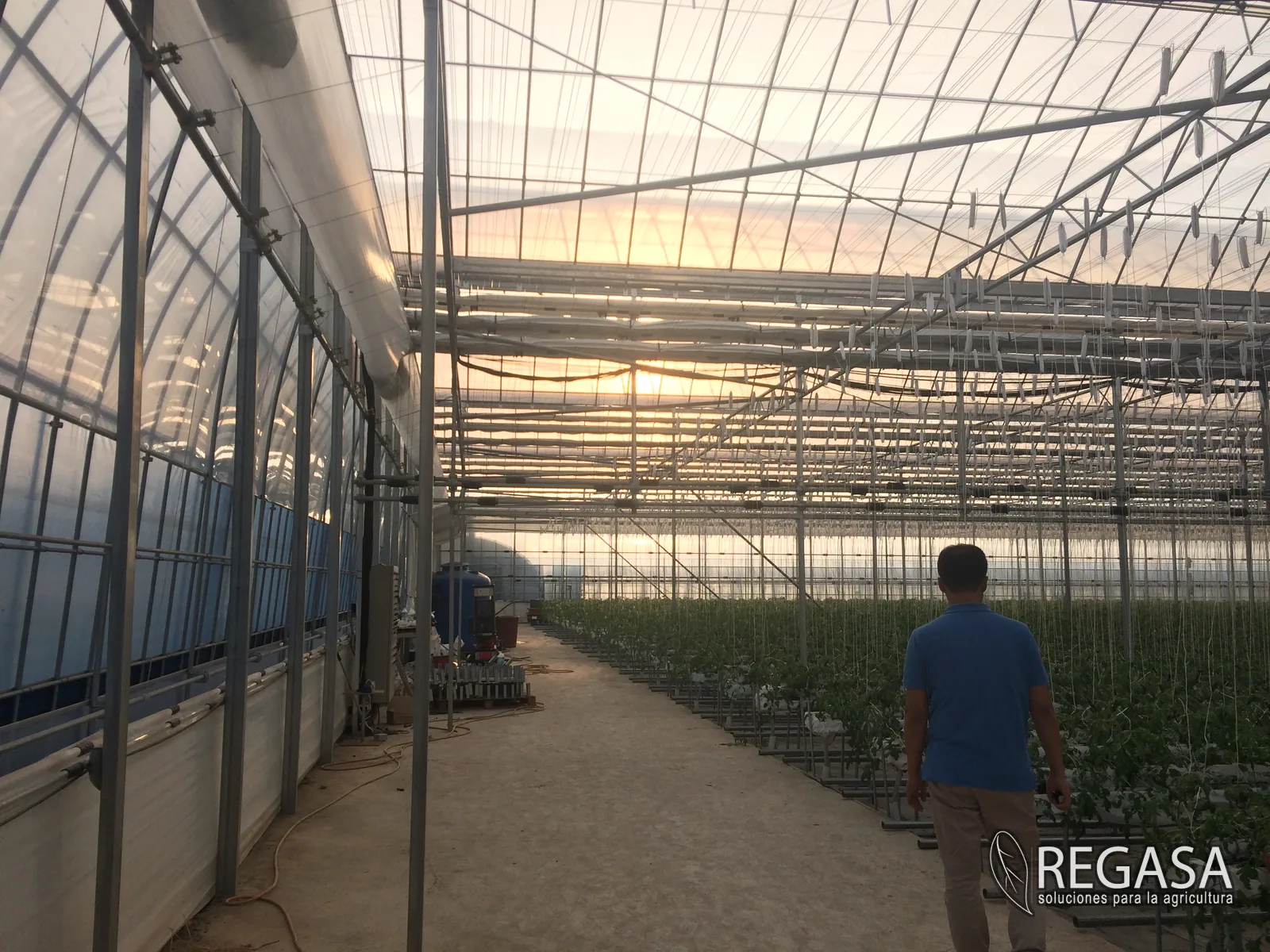
See the potential of our greenhouses
A look at real REGASA greenhouse projects, from structure to full production.
What is a commercial greenhouse?
A commercial greenhouse is a permanent structure, framed in galvanized steel and covered with polyethylene film, polycarbonate or glass, that lets you control the climate around your crop: temperature, humidity, light and airflow.
A high tunnel (or hoop house) is the simpler, unheated version that mainly extends your season. Both let you grow when the open field cannot, and protect the crop from cold, heat, wind, rain, hail and pests.
What US growers use them for
- Season extension: start earlier and harvest weeks past the field season.
- Year-round production of leafy greens, tomatoes and herbs for local markets.
- Climate control and protection from frost, heat, storms, hail and pests.
- Higher yield and quality per square foot, often several times field yields.
- Local, traceable food for retail and foodservice near big cities.
Top US greenhouse crops
The crops American growers protect most under poly and glass.
Where greenhouses grow in the US
The main regions, and why growers build there.
High Tunnel, Greenhouse or Gutter-Connected Range?
From season-extension tunnels to year-round commercial ranges, we build the structure that matches your crop, climate and budget.
High Tunnel / Hoop House
Unheated season extension for small and mid-size farms. NRCS-eligible, fast to install, and the lowest cost per square foot.
Commercial Greenhouse
Climate-controlled poly or polycarbonate, and gutter-connected ranges above 10,000 sq ft for the most efficient year-round production.
Light-Dep Greenhouse
Automated blackout greenhouses for cannabis, with a full light seal and lighting integration to force flowering and run multiple harvests a year.
NRCS cost-share for your high tunnel
The USDA NRCS EQIP High Tunnel Initiative helps fund eligible high tunnels. Cost-share rates are set by your state and change each year. We build to NRCS spec, provide PE-stamped drawings for permitting, and help you through the paperwork.
Every project is different: the cost depends on the structure, covering, ventilation, heating and automation, and on your crop and site. We design and quote each one to fit, so you invest in exactly what you need.
Ask about NRCS fundingAlready know what you need? Tell us your crop and your state and an advisor comes back with the structure that fits, within one business day.
Get a recommendationTransform Your Farm's Productive Capacity
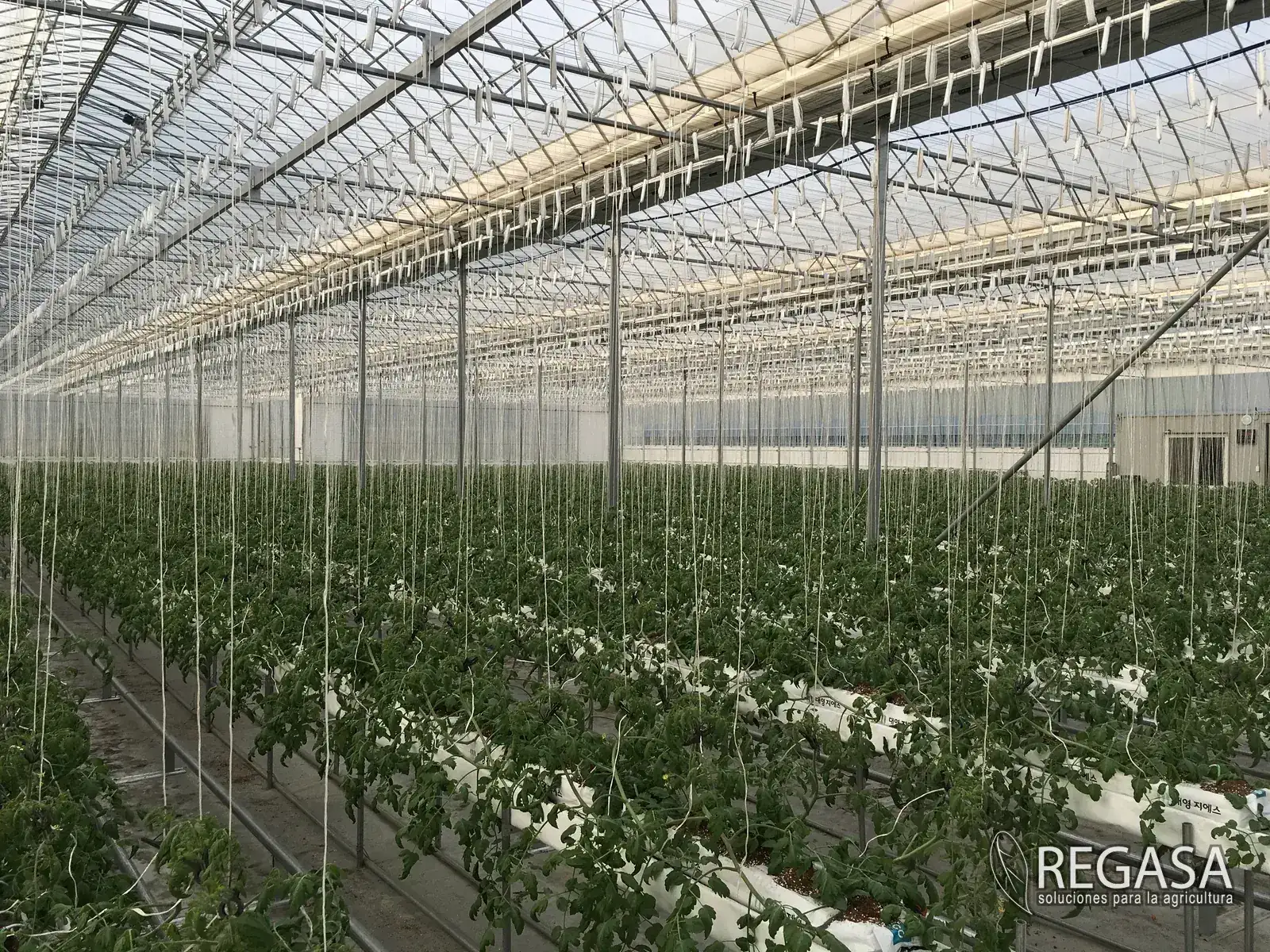
Year-Round Production
Break seasonal barriers. Grow and sell when market prices are highest, regardless of weather.
Climate Control
Regulate temperature, humidity and light. Ideal micro-conditions for each crop at every stage.
Export Traceability
Controlled environments meet international food safety standards for export markets in North America and Europe.
Pest-Free Environment
Reduce pesticide use by up to 50%. Physical barriers against insects and pathogens protect your crop naturally.
Every greenhouse is one of a kind, engineered for your site
We do not sell a one-size-fits-all greenhouse. Every project is engineered from scratch for your farm: we take the real conditions of your site so the structure holds up, ventilates and produces exactly where you are.
Wind speed
We size the frame and bracing to your local wind load.
Max and min temperatures
Ventilation, shading or heat retention for your climate extremes.
Rain, hail and snow
Roof and load design for the weather your site really gets.
Humidity and airflow
Vent design to control humidity and reduce disease pressure.
Topography and soil
Structure adapted to your slope, terrain and orientation.
Crop and system
Height, span and layout matched to your crop and irrigation.
You get engineered drawings (PE-stamped on request) and a structure built to your numbers, not a generic kit off a shelf.
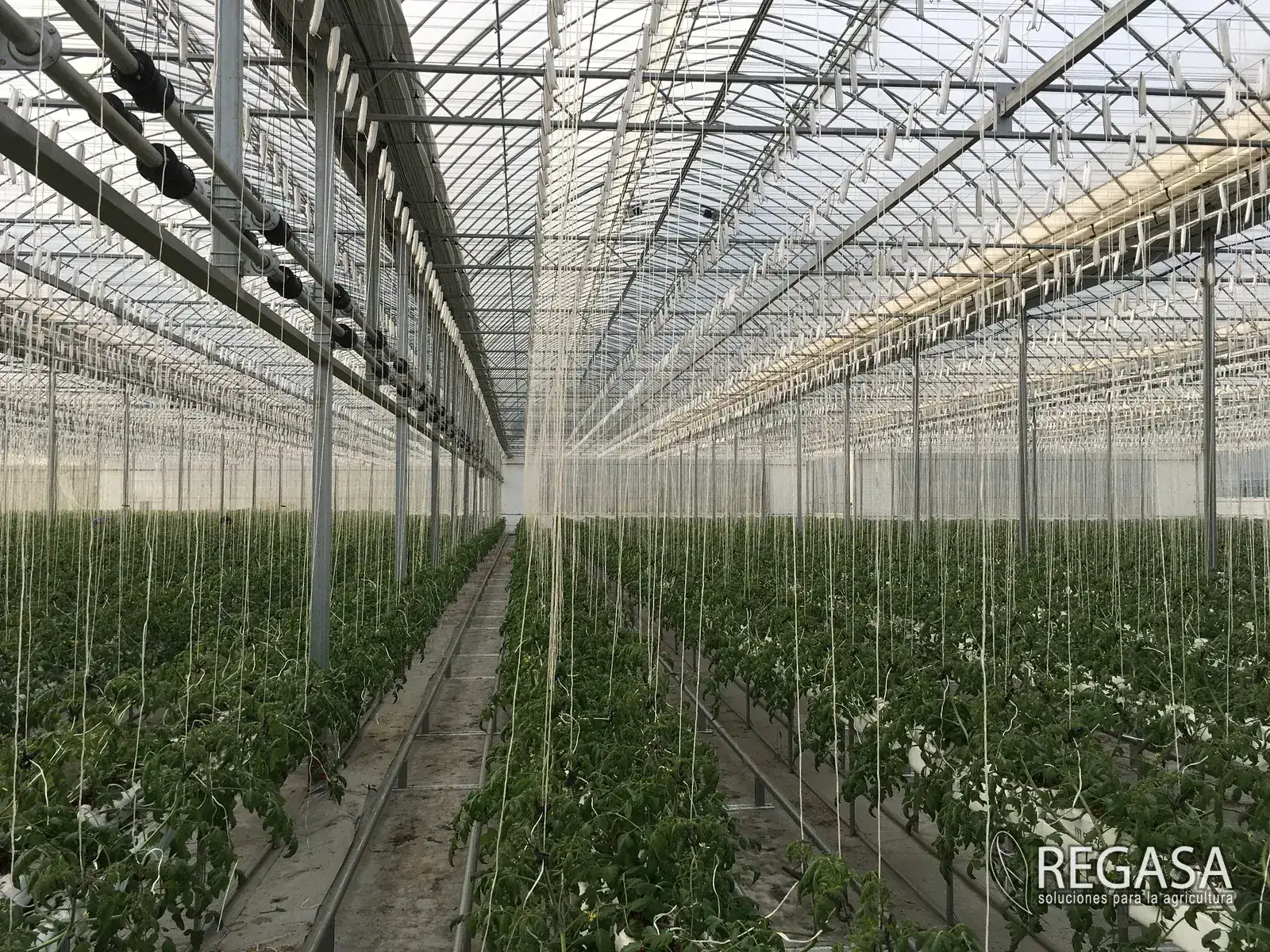
Built to Last. Engineered to Perform.
REGASA
Since 1995 · Latin America & USA
30+
Years
5+
Countries
75%
Season extension
50%
Less pesticides
High-Tensile Steel, 30% Stronger
The MG Model frame uses high-quality tensile steel approximately 30% stronger than standard greenhouse steel. Pre-galvanized 275 g/m² with optional Alu-Zinc coating on integral profiles for maximum durability.
Polyethylene Cover + Fixed Top-Vent
Weather-resistant polyethylene film with fixed top-vent design. Side curtains and sliding doors provide optimal airflow and easy field access for machinery and workers year-round.
Geomet® Bolts, 500h Corrosion Tested
Every bolt and nut is coated with Geomet® and rigorously tested for 500 hours of salt spray per ASTMB117-11 standards, ensuring long-term structural integrity in any field environment.
Optional Trellising, Up to 5 lb per sq ft
Optional trellising system with transverse cables and lengthwise wires supports up to 5 lb per sq ft. Ideal for tomatoes, cucumbers, and any high-wire climbing crop.
30 Years of Field Experience
Since 1995 we have designed and installed hundreds of greenhouses across 5+ countries. Every structure we build carries three decades of agronomic knowledge. Your success is our track record.
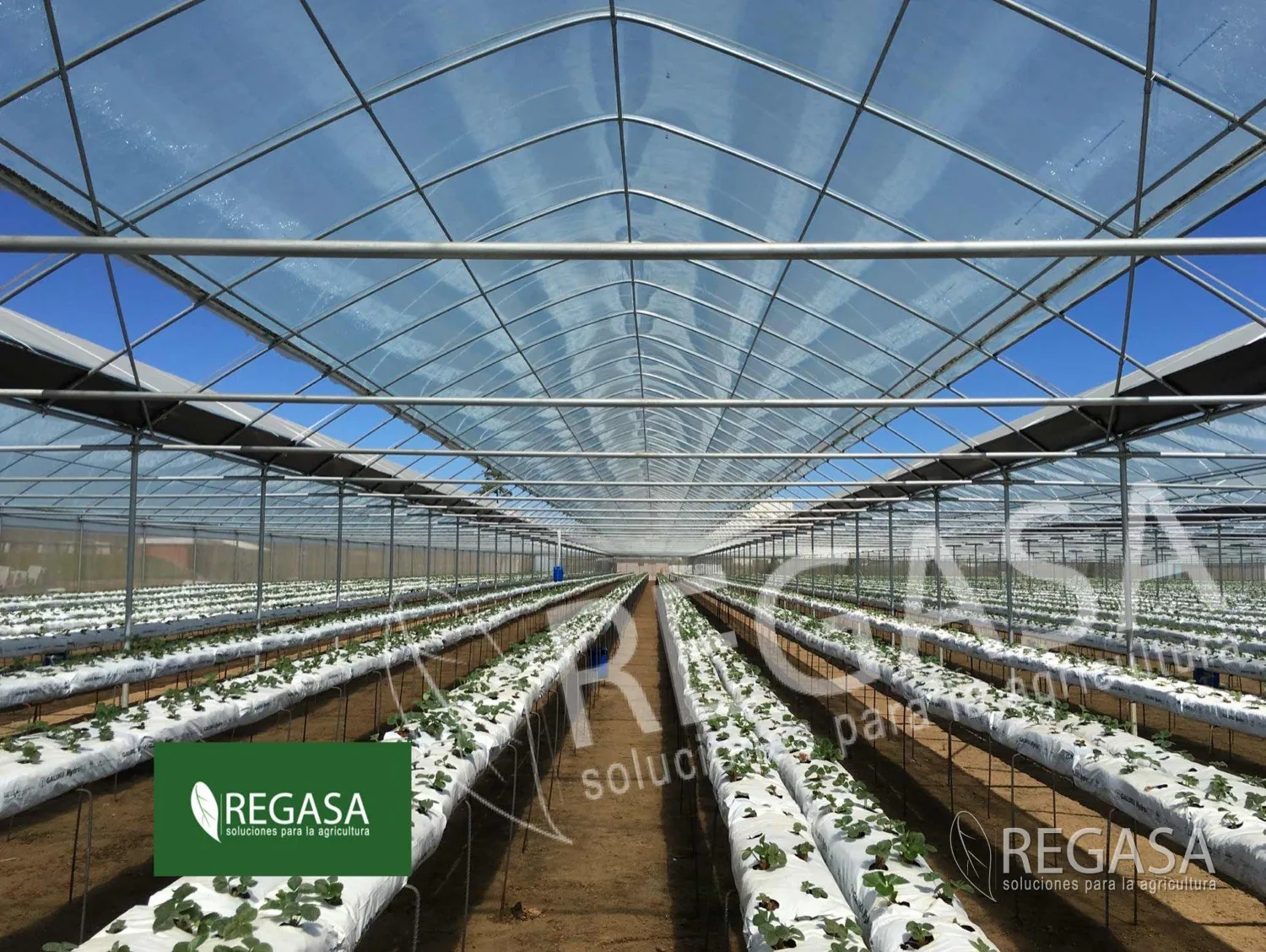
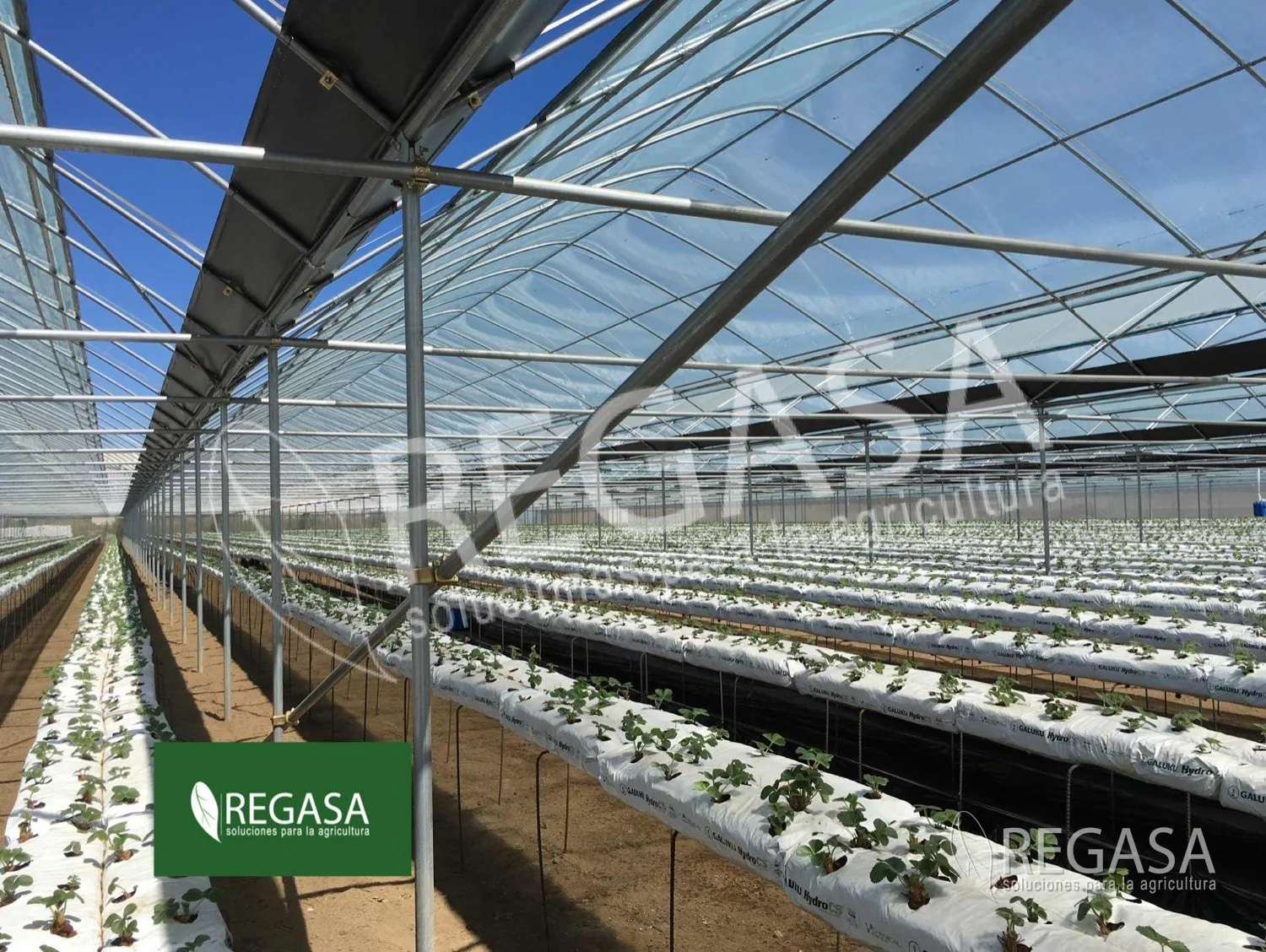
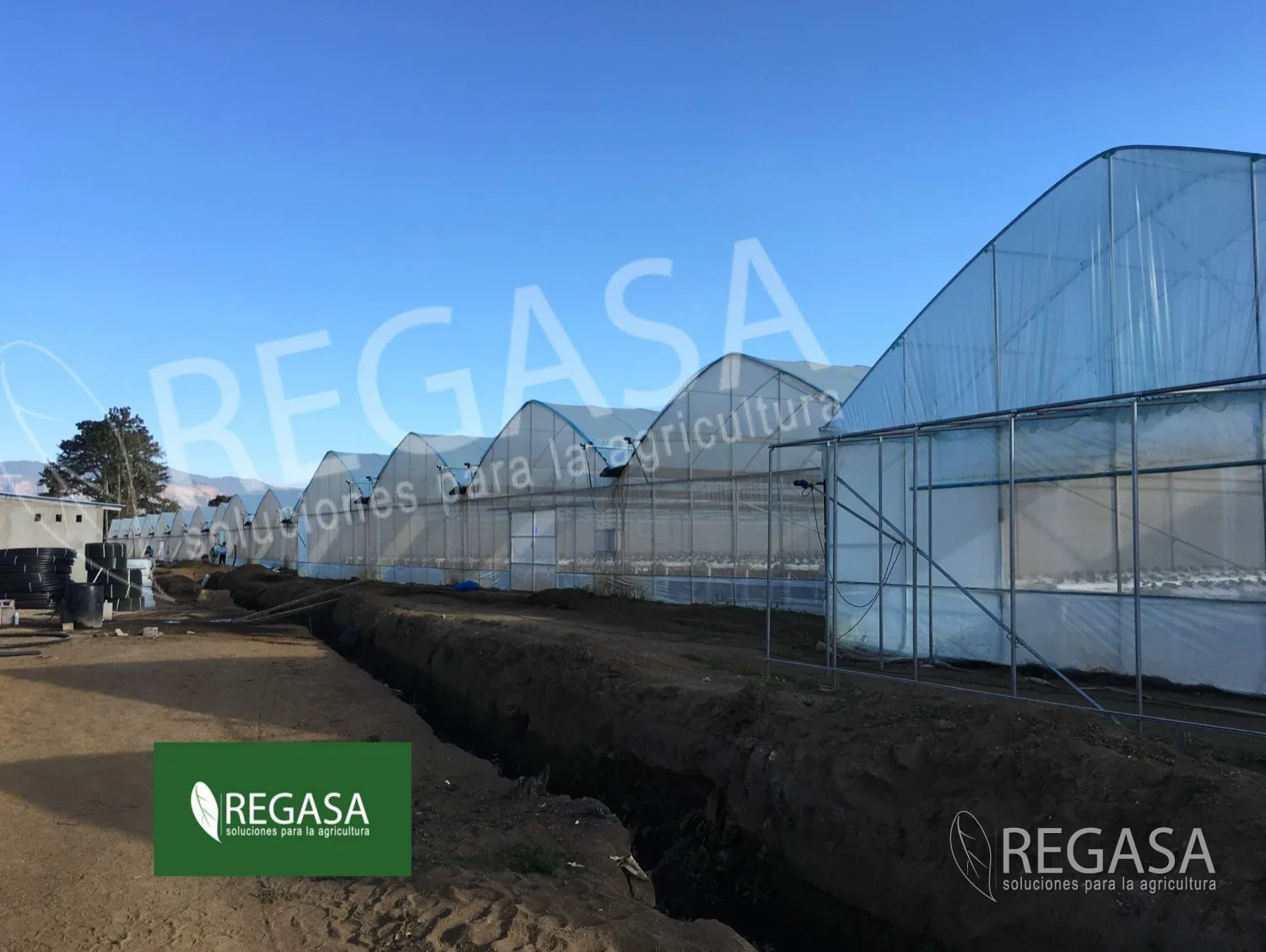
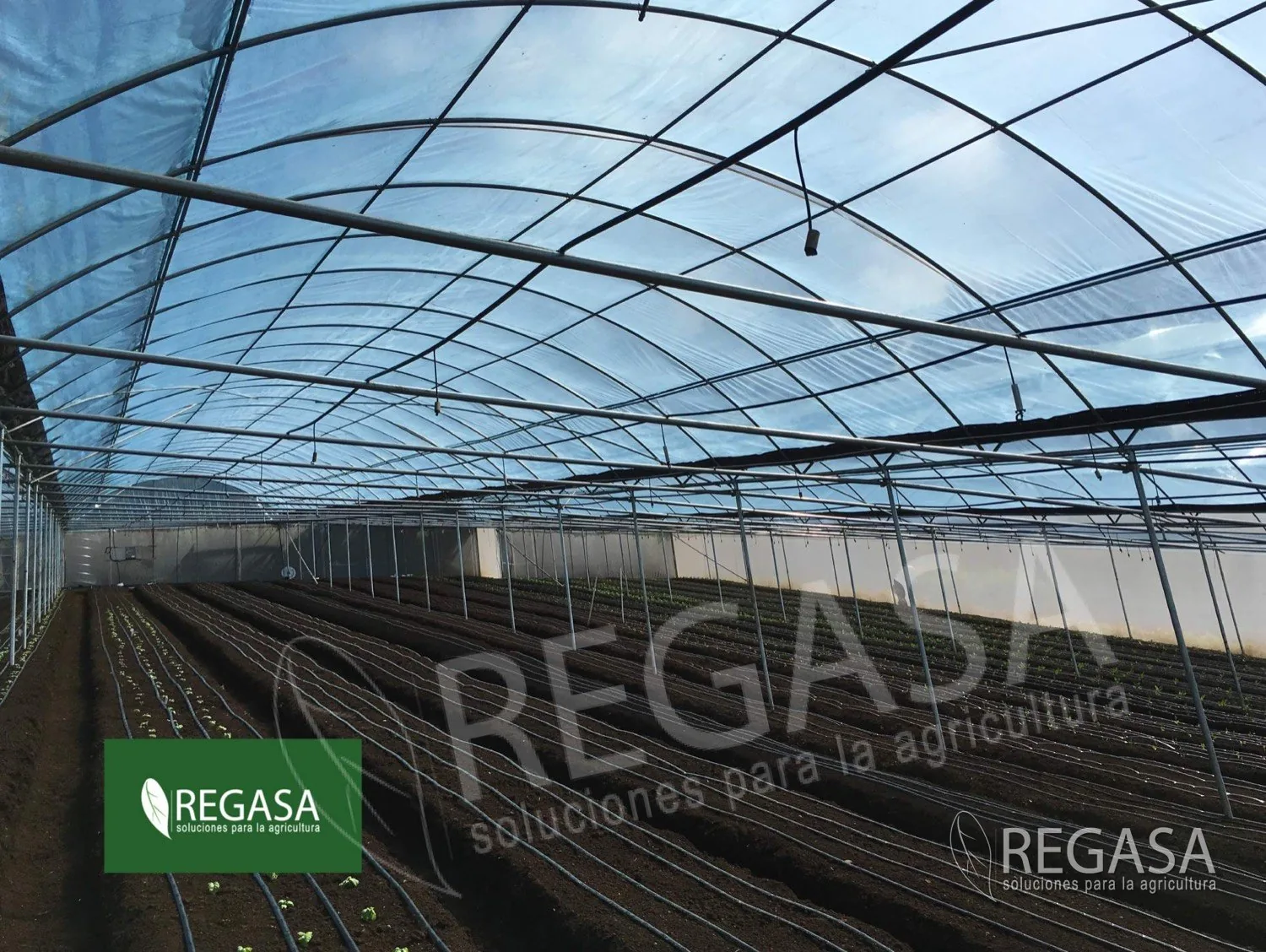
Built to last: structure & components
Galvanized steel, gothic arches and fully bolted connections, shown on real REGASA projects.
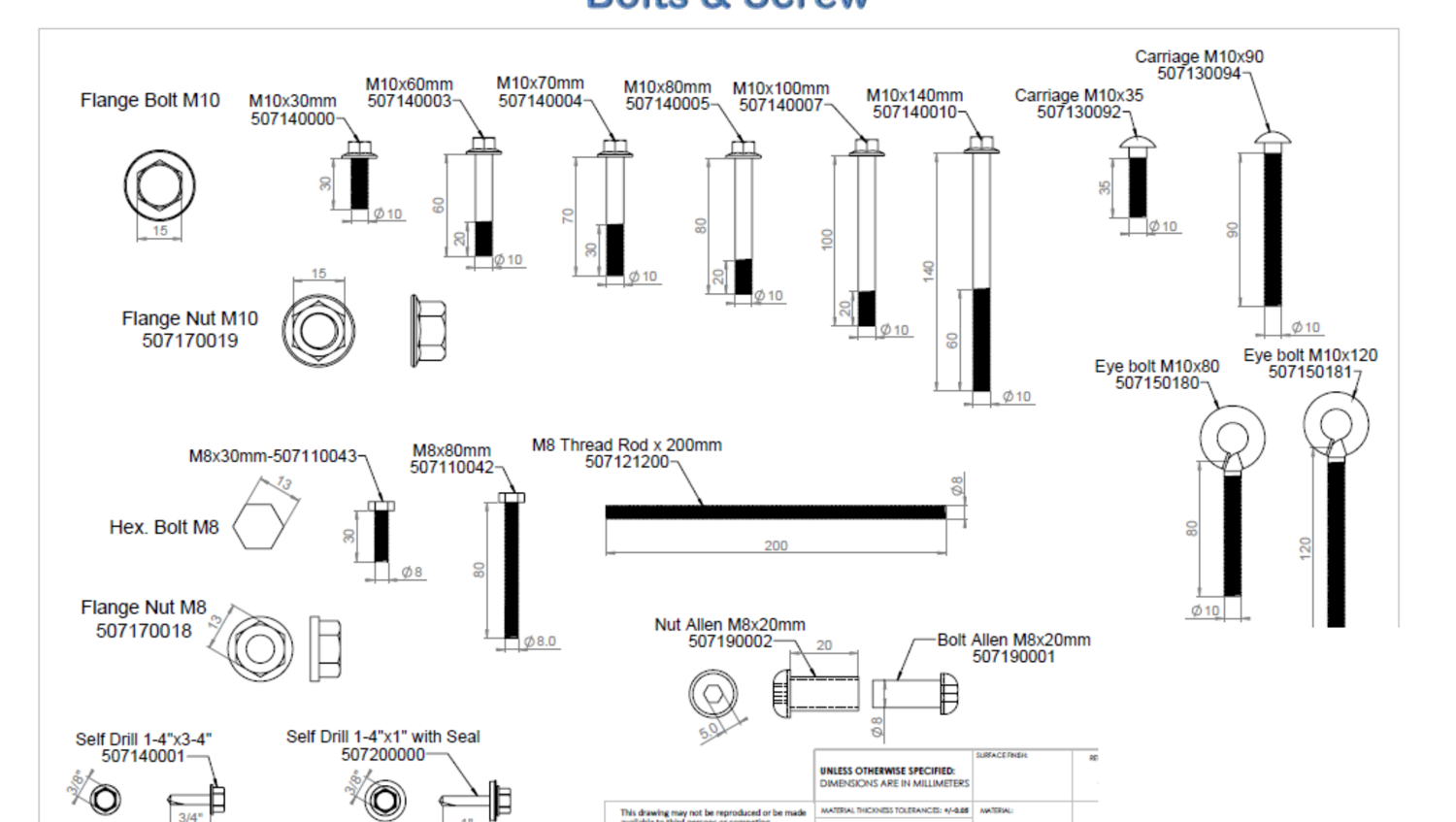
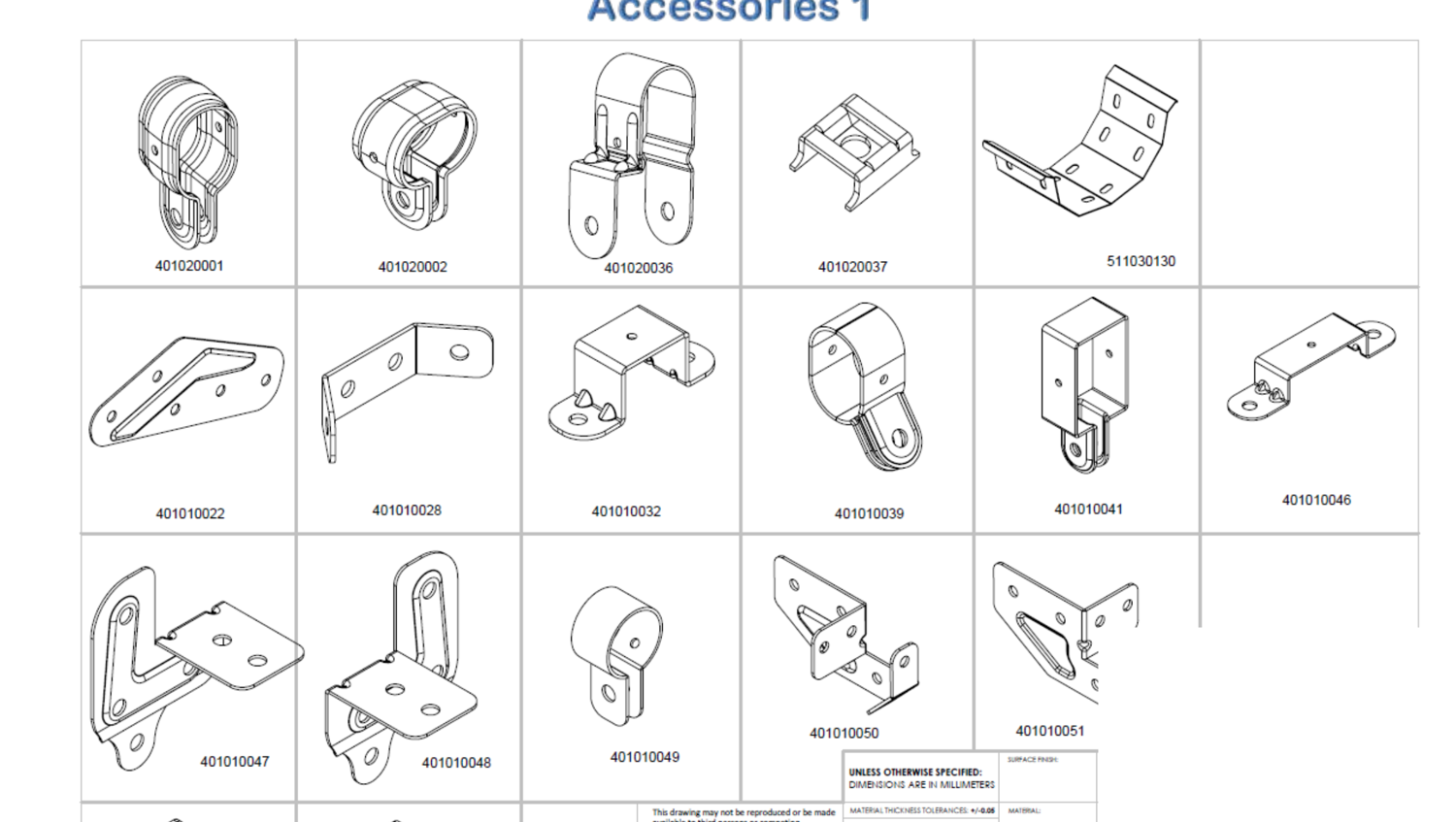
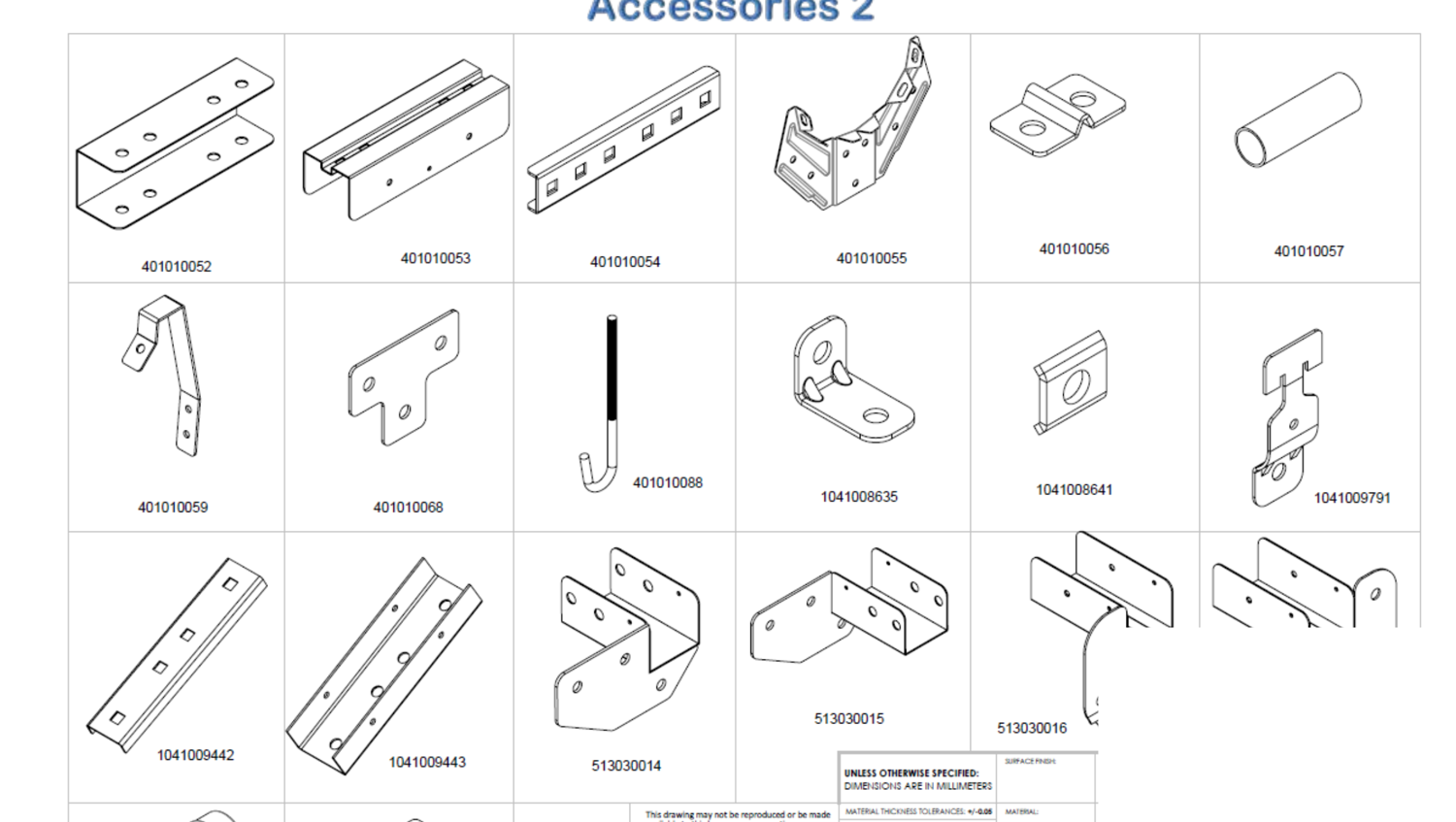
Hardware & accessories included
Every kit ships with galvanized, field-ready fasteners and fittings. Fully bolted, no welding required.
MG Model, At a Glance
These figures are an example. Every dimension, the width, the height, and the wind and snow rating, is engineered to your crop, climate and site, not sold as a fixed kit.
32 ft
Width
15 ft
Column Height
67 mph
Wind Load
Engineered to your county
Snow Load
+30% strength, pre-galvanized
Steel Frame
6 mil double-poly or 5/16 in polycarbonate
Covering
Geomet® · ASTM B117-11
Bolt Standard
Up to 5 lb per sq ft
Trellising Load
What Grows Best Under Our Greenhouses
No listed crop? Contact us, our greenhouses adapt to virtually any agricultural species.
Greenhouse Technical Guide by Crop
Select your crop to see ideal temperature, humidity, cycle duration and yield gains.
From Concept to First Harvest
Technical Consultation
Our specialists evaluate your terrain, crop type, local climate and business objectives to define the ideal structure.
Custom Design
We generate engineering plans, material specifications and a detailed budget, no surprises at installation.
Installation & Training
Our certified team installs the structure and trains your team on operation, maintenance and crop management.
Frequently Asked Questions
Everything you need to know before investing in a commercial greenhouse.
Do your structures qualify for USDA NRCS funding?
How much does a commercial greenhouse cost per square foot?
What snow and wind load is the structure rated for?
High tunnel or commercial greenhouse, which do I need?
Is the greenhouse made for North America?
Do you build light-deprivation greenhouses for cannabis?
What crops grow best, and how long is installation?
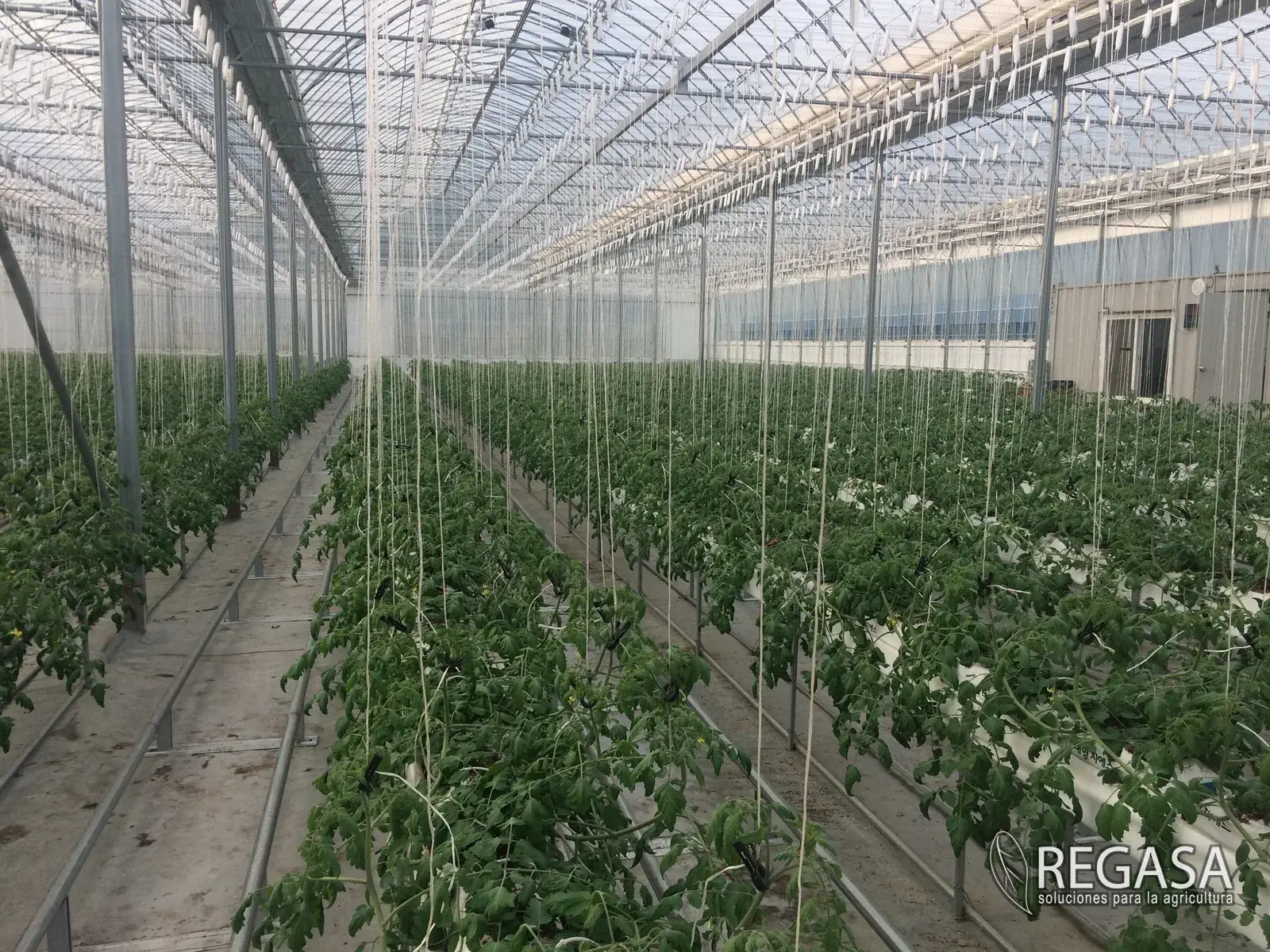
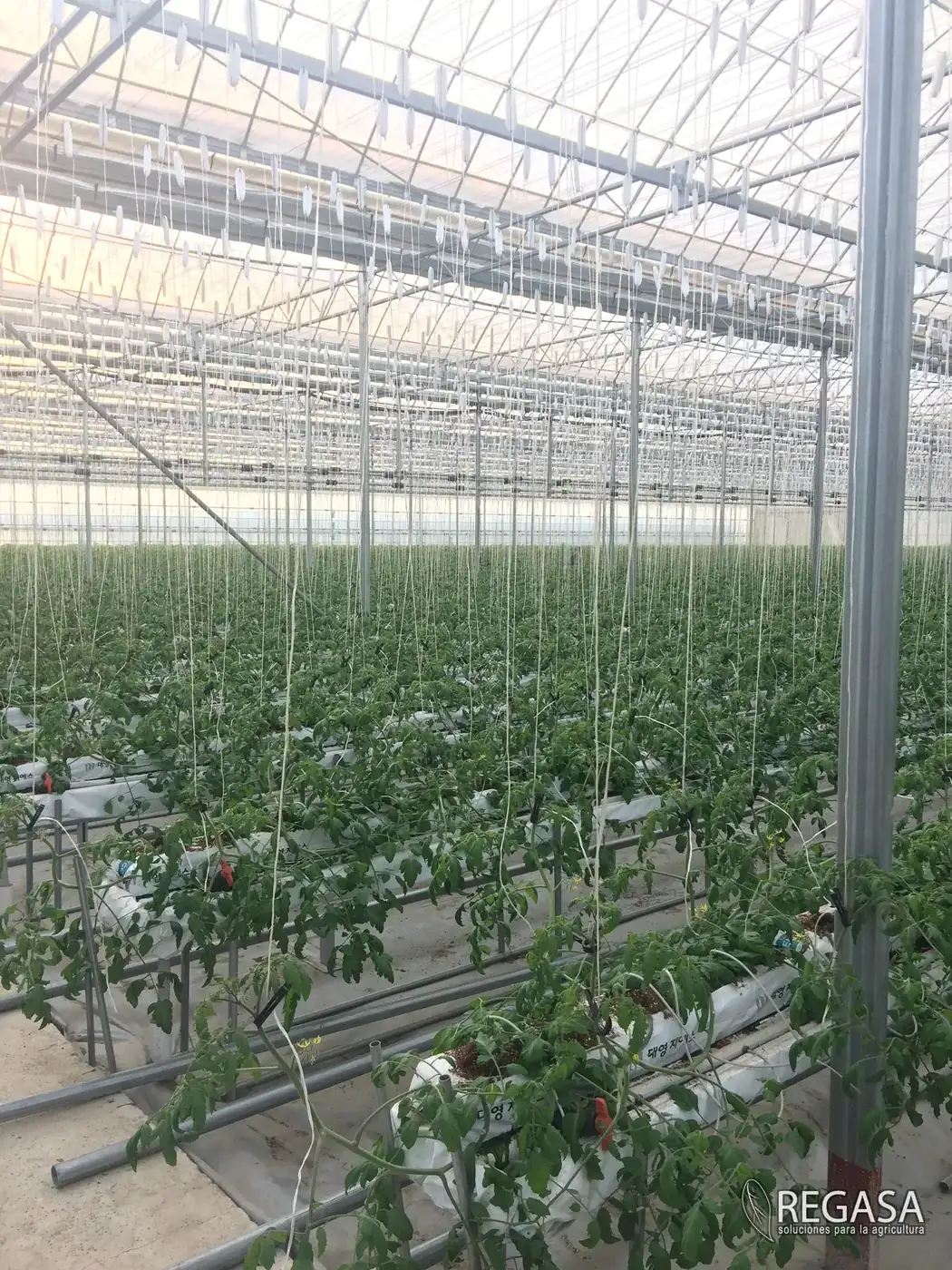
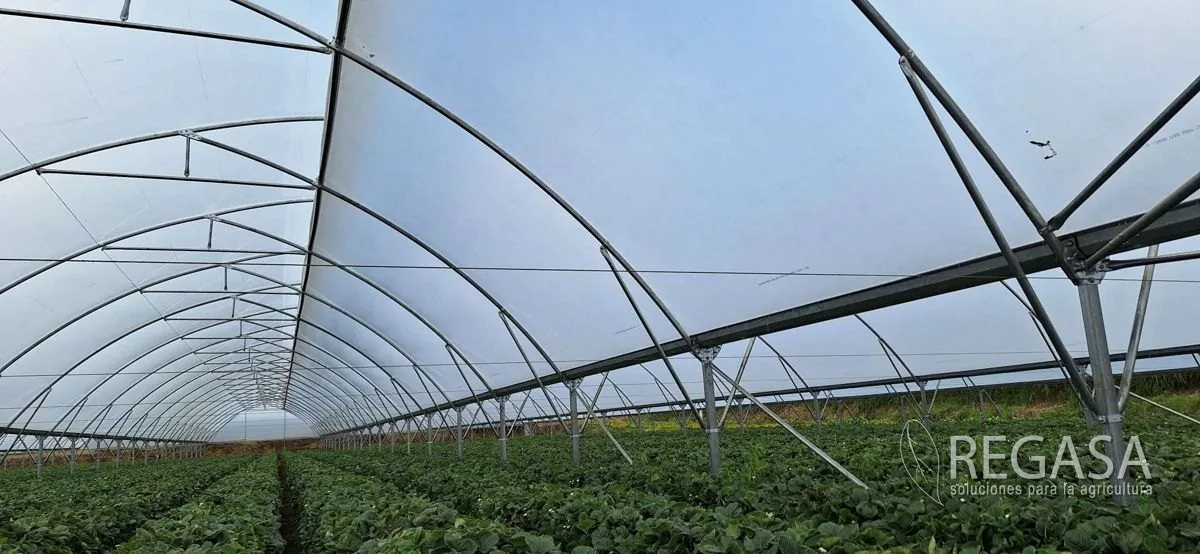
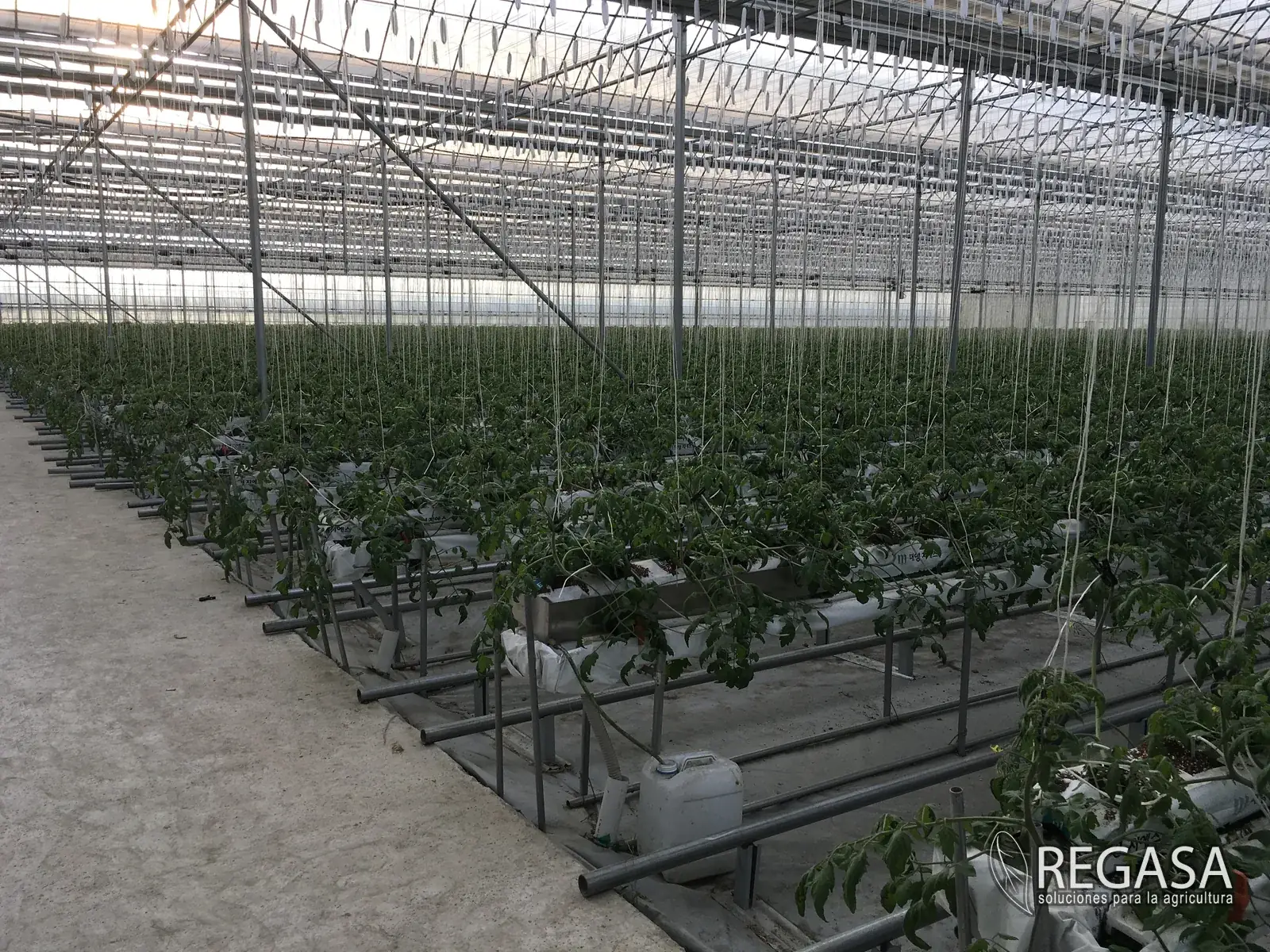
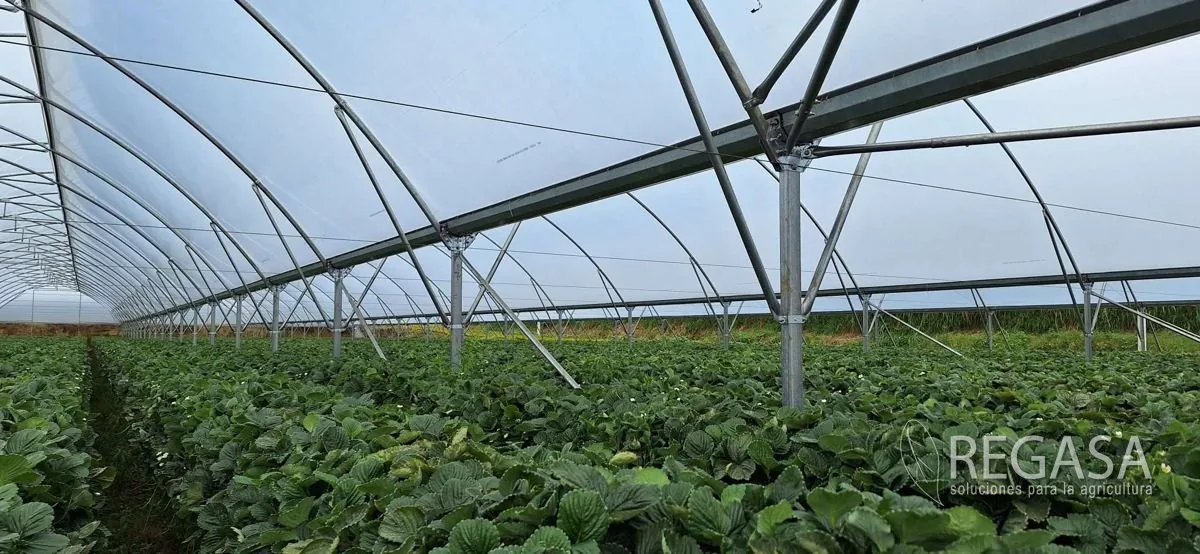
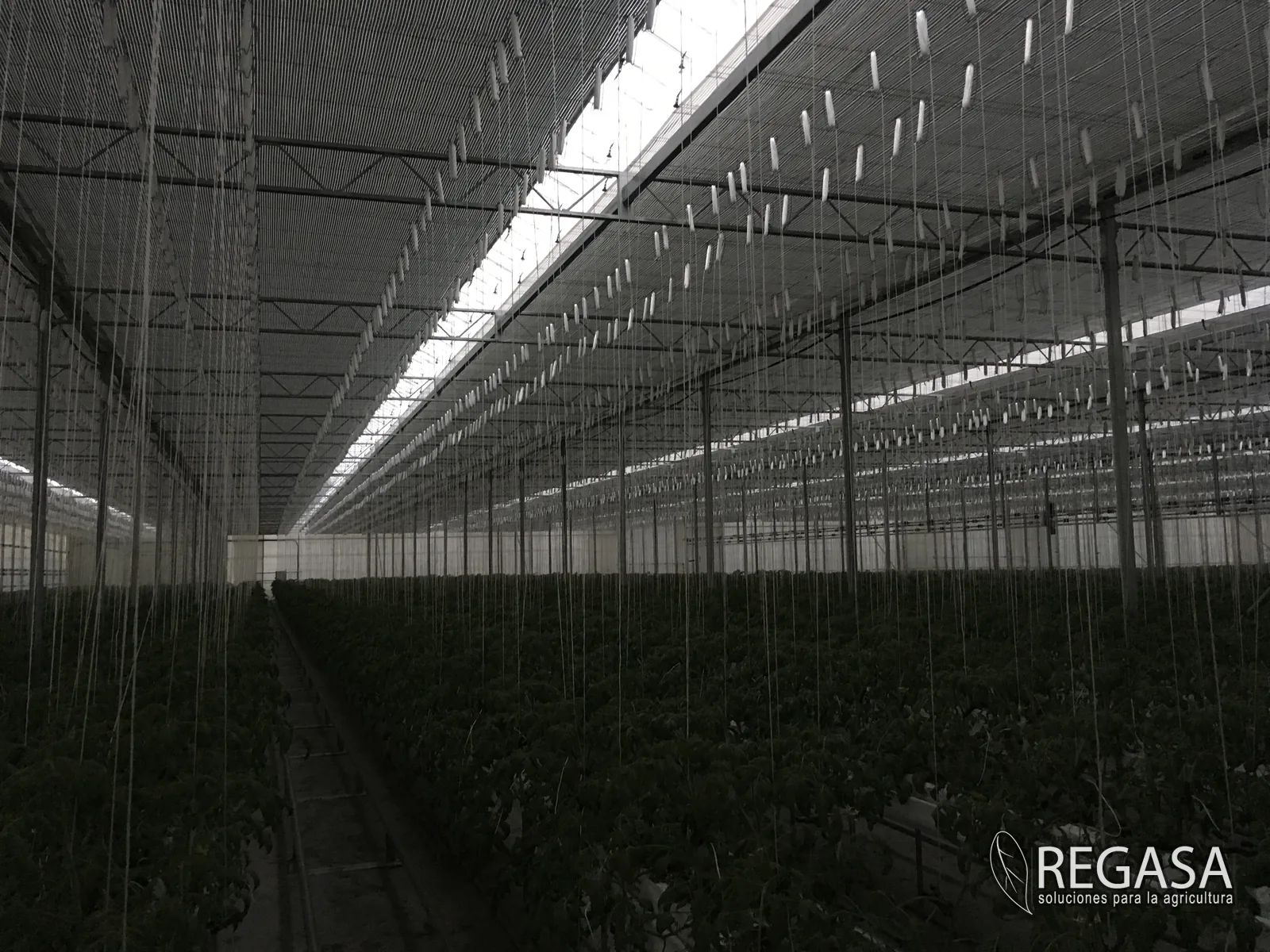
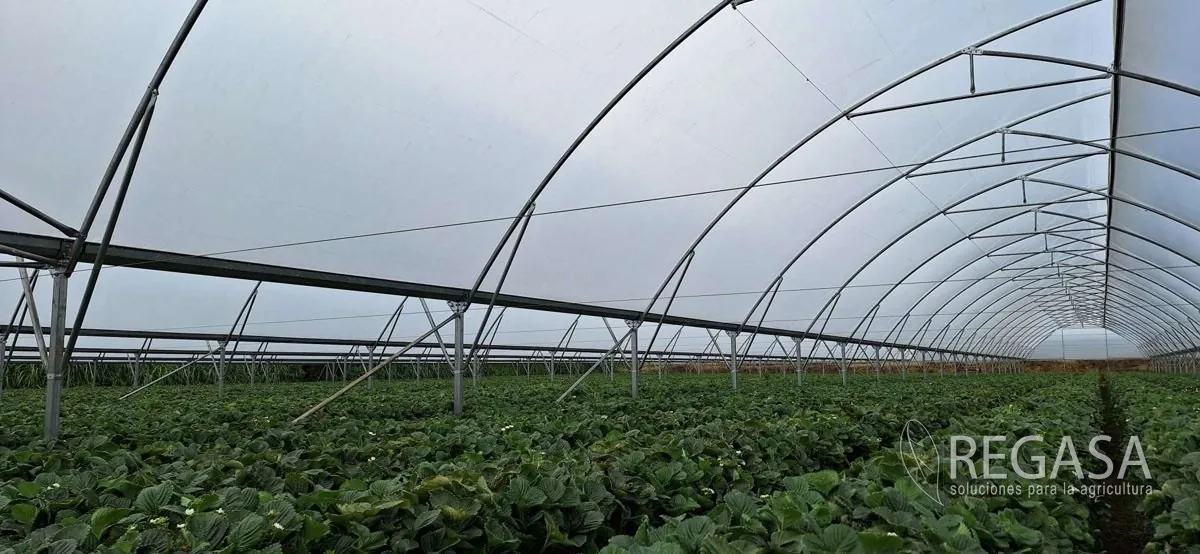
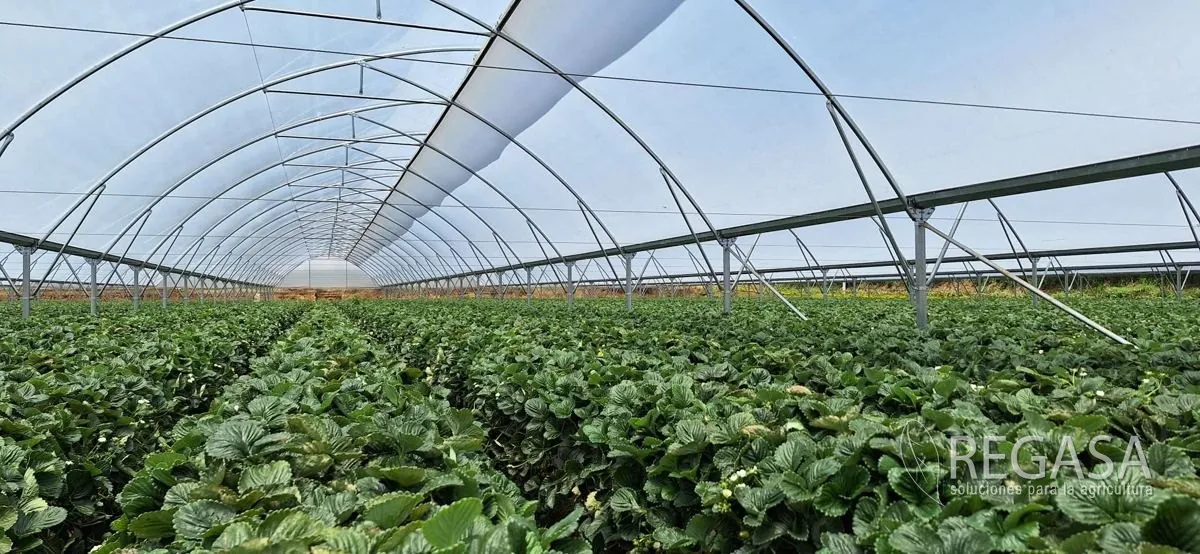
REGASA greenhouses in the field
Real structures we have built, from the gothic frame to the crop growing inside.
Ready for Your Custom Greenhouse?
Request your free technical consultation. Our agronomists will design the perfect greenhouse for your farm and budget.
Talking about money
What actually drives the cost
We do not publish prices, and here is the honest reason: a structure engineered for a heavy snow load in Maine and one built for wind in the Texas panhandle are different projects. A number on a web page would be wrong for almost everyone reading it. What we can do is show you what moves the figure, so you can size the decision before you talk to anyone.
Span and height
A wider structure costs more per unit of frame but gives you more usable floor and better airflow. Height is what buffers temperature swings, so cutting it to save money usually costs you back in climate control.
Snow and wind load
The biggest single driver, and the one you cannot negotiate. What your county requires decides the steel. A frame for northern Michigan and one for central Florida are different builds, not different prices for the same build.
Covering
Polyethylene film costs less up front and is replaced every few seasons. Polycarbonate and glass cost considerably more and last far longer. Neither is wrong; they are different money over different timelines.
Climate control
Passive ventilation, roll-up sides and ridge vents, handles most of the year across most of the country. Fans, wet walls and heating are what you add when passive is not enough. This is where budgets swing the most.
Irrigation and feeding
Drip is close to non-negotiable. Automated fertigation is the piece that turns the structure into a system, and it makes sense past a certain area.
Site preparation
The line growers forget. Grading, drainage, getting water and power to the site. It is not part of the structure but it is part of the project, and it is where budgets get surprised.
What a quote from us includes
Engineered structure with the load rating for your site, covering, hardware and anchoring, ventilation sized to your climate, and the irrigation layout.
What it does not include: site preparation, permits, bringing water or power to the plot, and inland freight. We tell you about these up front instead of letting them surprise you later.
How it pays back
- Season extension, which lets you sell when prices are highest instead of when everyone else is harvesting.
- Yield per acre, because a protected crop loses far less to weather, disease and birds.
- Fewer inputs, mainly water and spray applications, which show up every single season.
- Grade and shelf life, which is what moves you from commodity pricing to premium buyers.
How fast depends on your crop and your market. A high-value crop sold into an off-season window pays back on a very different timeline than a commodity crop, and we will tell you honestly which one you are.
Want the figure for your site? Tell us your conditions and we will price it.
Two minutes, three fields
Tell us what you grow and where
That is enough for an advisor to come back with something useful: the structure that fits your climate, what it involves, and what to plan for. No obligation.
Built for your climate
Greenhouses by state
Frost dates, wind loads and the crops that pay change from one state to the next. See what a greenhouse does for yours.