
 Guatemala
  México
  Perú
Perú  Costa Rica
  USA
USA High Tunnels & Hoop Houses
A high tunnel, also known as a hoop house, gives you the best cost-benefit ratio in protected agriculture. Our galvanized high tunnels deliver +30% crop yield and the fastest ROI for berries, tomatoes and vegetables, and they are eligible for the USDA NRCS High Tunnel Initiative.
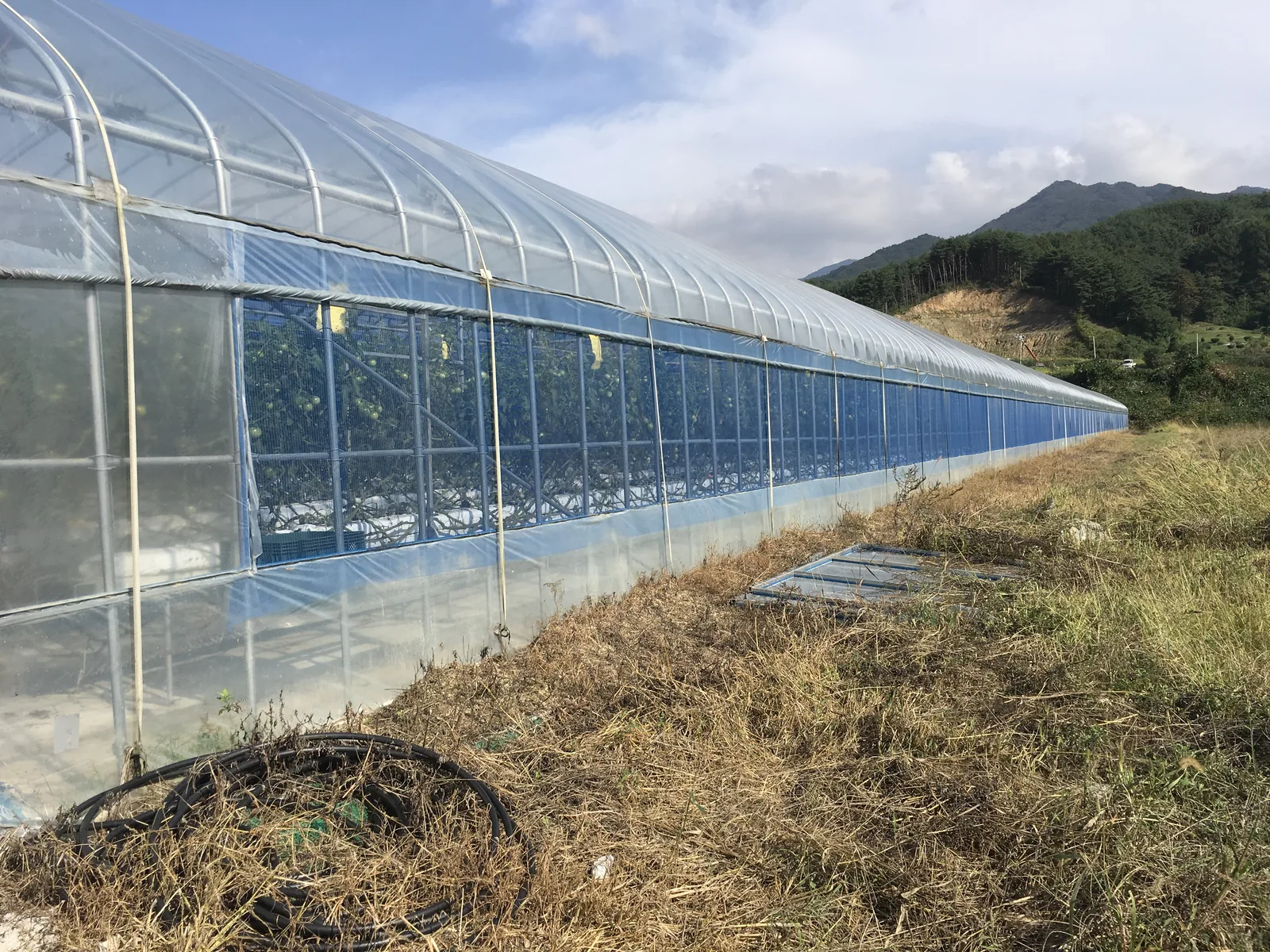
High Tunnel, Single-Span or Multi-Bay
Galvanized oval-tube structure with self-drilling anchor posts, no concrete required. Built as a single-span high tunnel or as a multi-bay range, also known as a Spanish tunnel. Widths and lengths are defined for each project, the figures below are typical references.
- 2.4 x 1.6 in oval tubes, stronger under lateral load than round pipes
- Self-drilling anchor posts: no concrete, no rebar, faster setup
- 8 mil diffuser polyethylene: reduces fruit burn, more uniform light
- Typically 18 to 30 ft wide, sized to your plot
- Side ventilation curtains included, passive climate control
- No welding required, bolt-together assembly in days
+30%
Crop yield
75%
Season extension
50%
Less pesticides
1 to 2
Year ROI
Single-span or multi-bay?
The same structure is built two ways. Which one fits depends on your acreage, your crop and how you plan to ventilate. Spans, heights and bay counts are engineered per project, so treat any figure here as a reference, not a fixed catalog.
Single-Span High Tunnel
Also called a hoop house
One freestanding bay, ventilated by roll-up side curtains. The straightforward way into protected growing, easy to site on irregular plots and the usual choice for a USDA NRCS application.
- Roll-up side ventilation
- Simple to site and to expand one bay at a time
- Crops planted directly in the ground soil
- The common configuration for NRCS applications
Multi-Bay Range
Also called a Spanish tunnel
Several bays joined at the gutter, ventilated by opening the roof. Covers more acreage with less exposed surface, holds heat better and is the standard for commercial berry production.
- Roof ventilation, no curtains between bays
- Less exposed surface, steadier climate
- More acreage covered per structure
- The standard for berries and caneberries
Smaller Tunnel Options
Compact Walk-In Tunnel
A narrower walk-in tunnel on a lighter frame. You can still work inside it, but it costs less to put up and moves more easily. The entry point for short-cycle crops and growers scaling one block at a time.
- Walk-in, but narrower and lighter than a high tunnel
- Reusable: multiple seasons
- Quick setup: days not weeks
- Good for short crop cycles (45 to 90 days)
Best for: Pepper · Tomato · Squash · Flowers
Low Tunnel
The fastest and most affordable way to protect your crops. Minimal investment, maximum simplicity. Ideal for lettuce, herbs and strawberry at field scale.
- Lowest investment entry point
- Easy single-operator setup
- Flexible: move between rows
- Perfect for lettuce, herbs, strawberry
Best for: Lettuce · Herbs · Strawberry · Spinach
Which Structure is Right for You?
| Feature | High Tunnel ★ | Compact Walk-In | Low Tunnel |
|---|---|---|---|
| Investment | Medium, High | Medium | Low |
| Setup time | 1 to 2 weeks | 2 to 5 days | 1 day |
| Durability | 10 to 15 years | 5 to 8 years | 2 to 4 years |
| Width | 18 to 30 ft | 10 to 16 ft | 2.5 to 5 ft |
| Best crops | Berries, Tomato, Flowers | Pepper, Squash, Tomato | Lettuce, Herbs, Strawberry |
| ROI timeline | 1 a 2 seasons | 2 a 3 seasons | 1 season |
Where a High Tunnel Pays Back Fastest
Typical yield gain under cover
Berries are the crop that repays a high tunnel fastest. Keeping rain off the fruit cuts botrytis and splitting, and the extra weeks on each end of the season land when prices are highest.
Berries: strawberry, raspberry, blackberry
Exporting to Europe from day one
Fruiting vegetables benefit twice: a longer season and a cleaner, more uniform fruit. That consistency is what a packer or an export buyer is actually paying the premium for.
Tomato, pepper and cucumber
Revenue increase: second year
The structure and the irrigation work as one system. Drip under cover puts water only where the root is, with no wind drift and no evaporation off bare ground, so less water grows more crop.
High tunnel paired with drip
High Tunnel Technical Guide by Crop
Select your crop to see ideal temperature, humidity, cycle duration and yield gains.
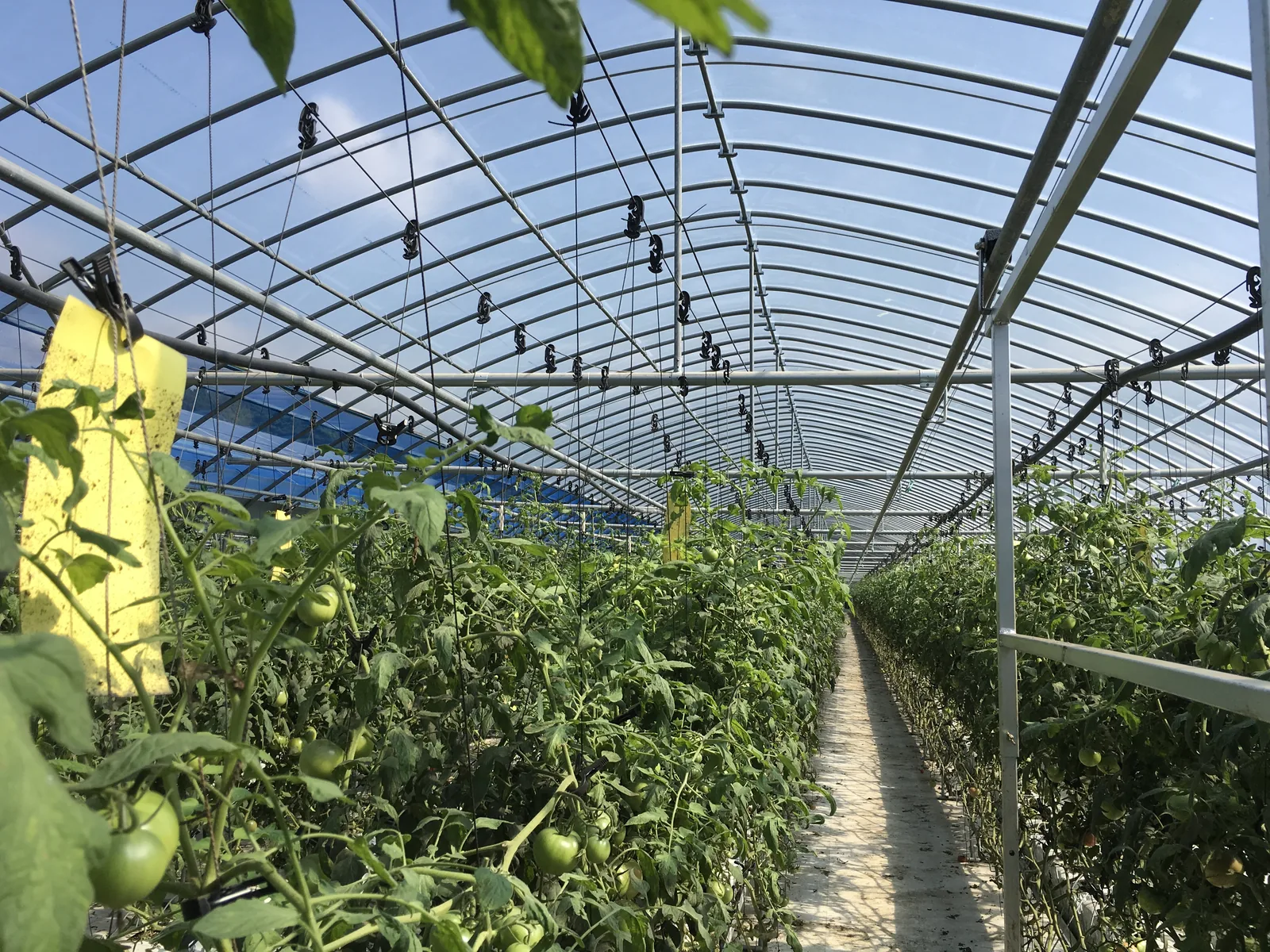
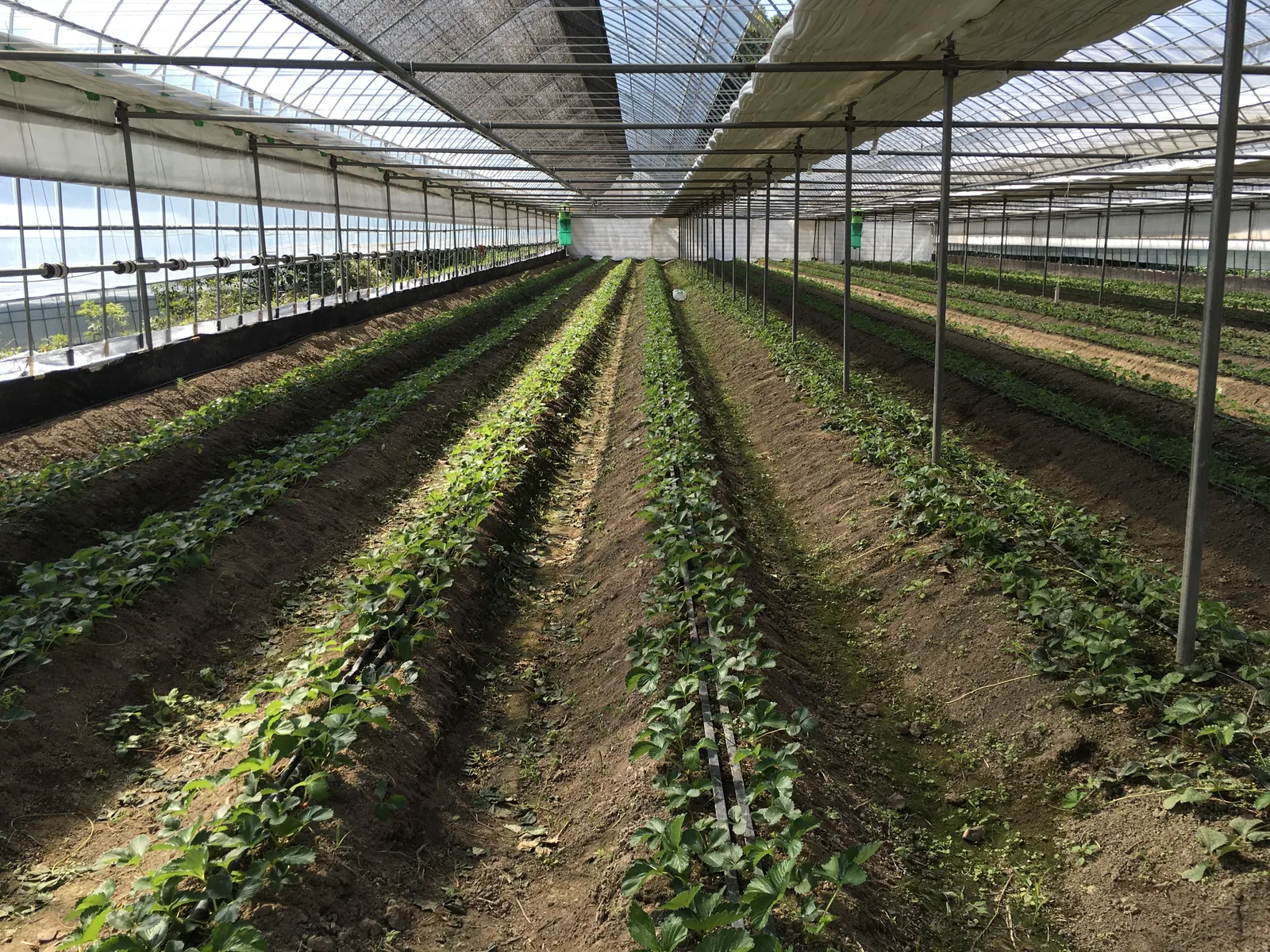
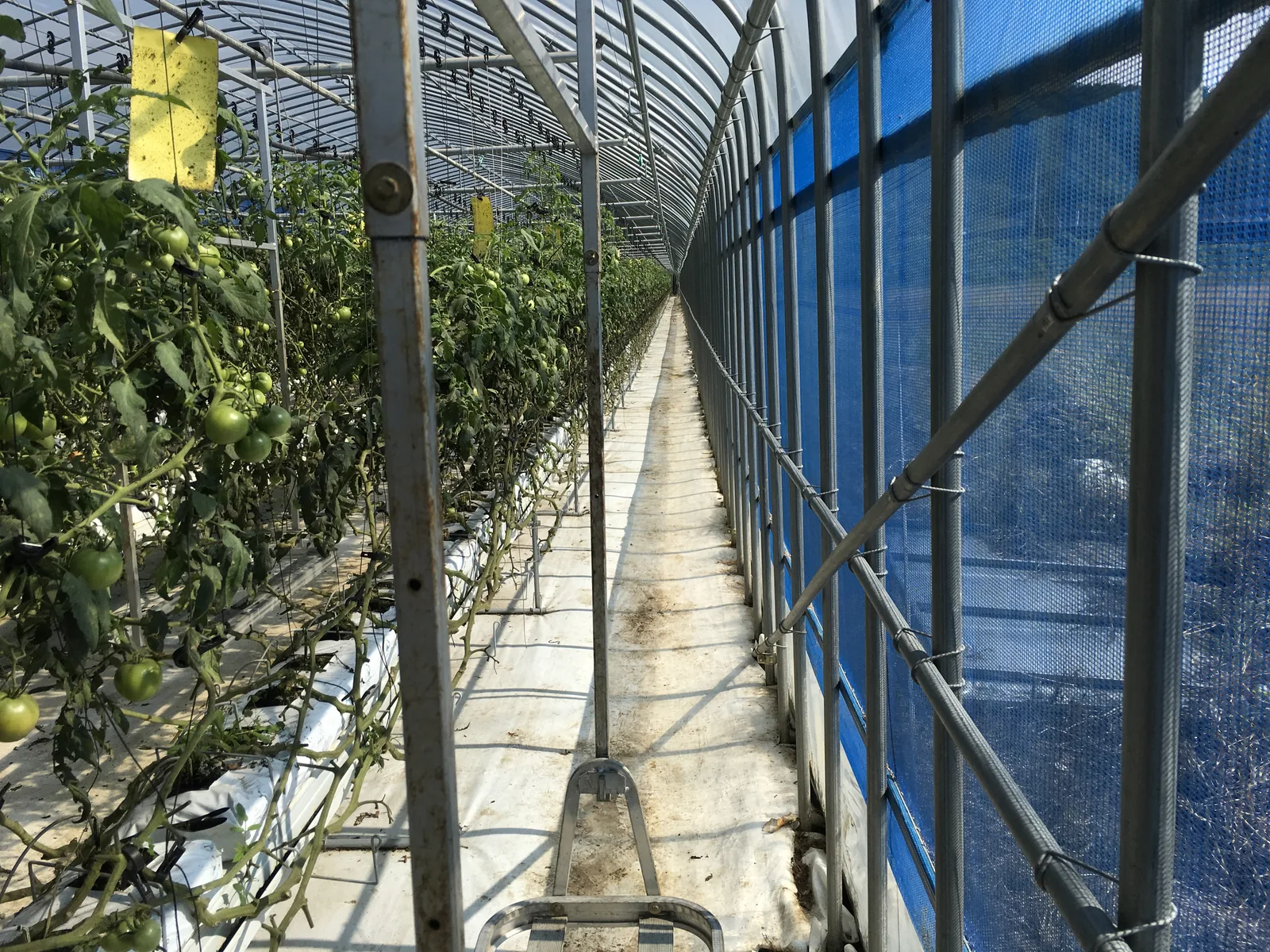
REGASA High Tunnels in the Field
Real REGASA high tunnel installations, from the highlands to open field.
Frequently Asked Questions
Everything you need to know about REGASA high tunnel structures for American growers.
How much does a commercial high tunnel cost?
What width options are available for REGASA high tunnels?
Do REGASA high tunnels require concrete foundations?
What crops grow best under a high tunnel?
How long does high tunnel installation take?
Do REGASA high tunnels qualify for USDA NRCS grants?
Start Protecting Your Crops Today
Request a free technical quote. Our team will design the right tunnel structure for your crop, terrain and budget.
Two minutes, three fields
Tell us what you grow and where
That is enough for an advisor to come back with something useful: the structure that fits your climate, what it involves, and what to plan for. No obligation.