
 Guatemala
  México
  Perú
Perú  Costa Rica
  USA
USA 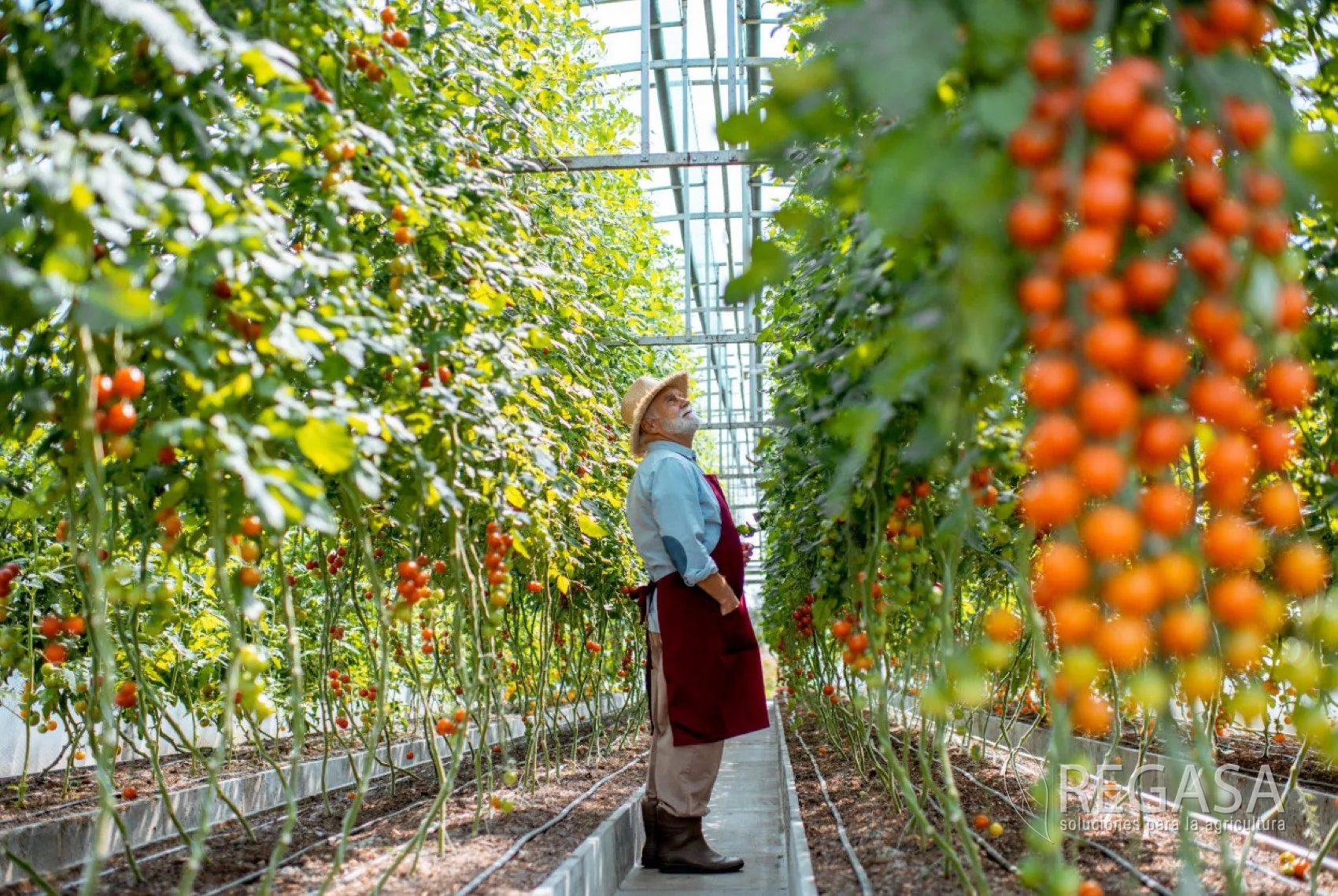
Greenhouse
Commercial Tomato Farming Under Cover: The Economics
Tomato is the most grown protected crop in the country and the most demanding. What drives the economics, and the three things that decide whether it works.
Read articlePractical guides on greenhouses, drip irrigation, multi-tunnels and sustainable farming in the USA.
The guide the rest of these hang off. What each layer of a greenhouse does, the order they have to be bought in, and where the money comes back.
Tomato is the most grown protected crop in the country and the most demanding. What drives the economics, and the three things that decide whether it works.
Read article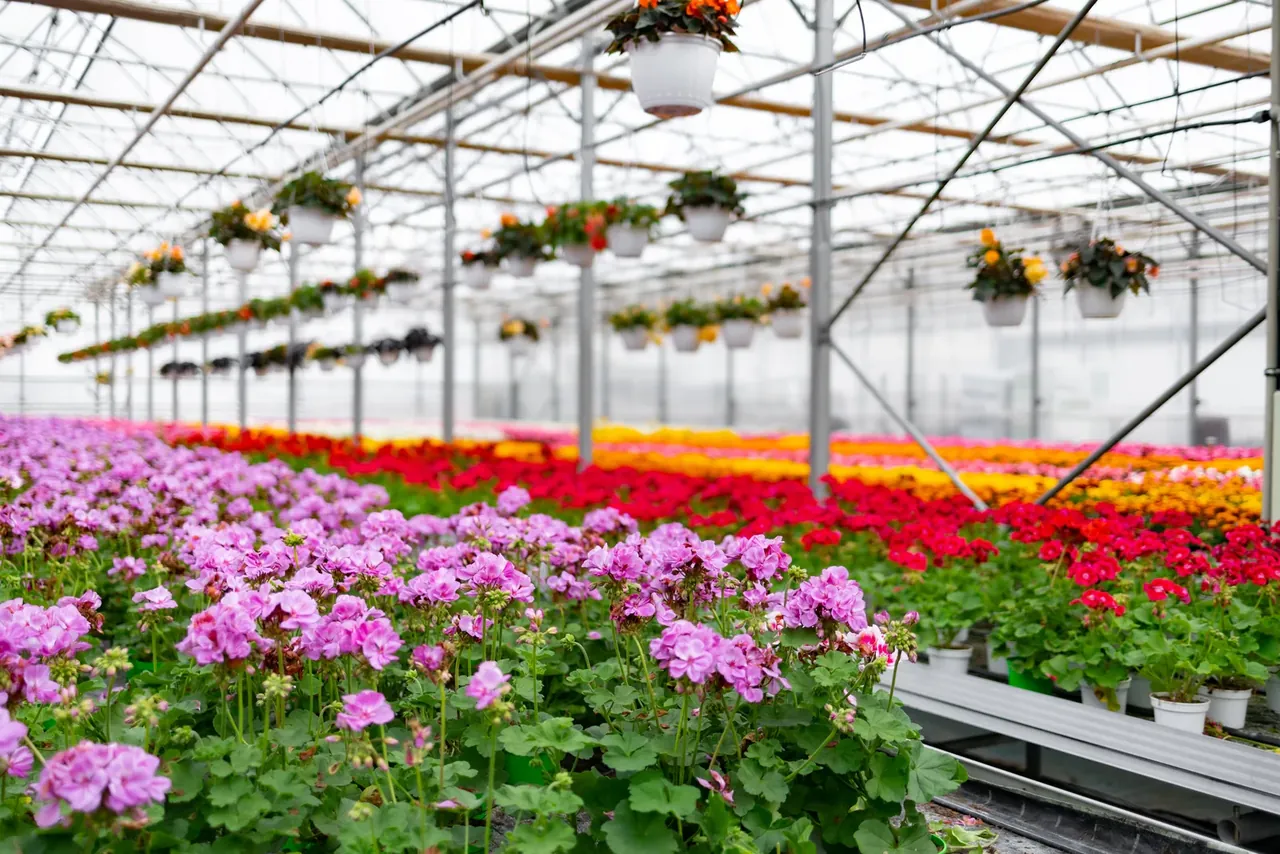
Cut flowers pay for two things a structure delivers directly: stem quality and precise timing. That combination is why protected growing changed this crop.
Read article
Three herbs, three different temperature requirements. Running them at one setpoint is why herb operations underperform.
Read article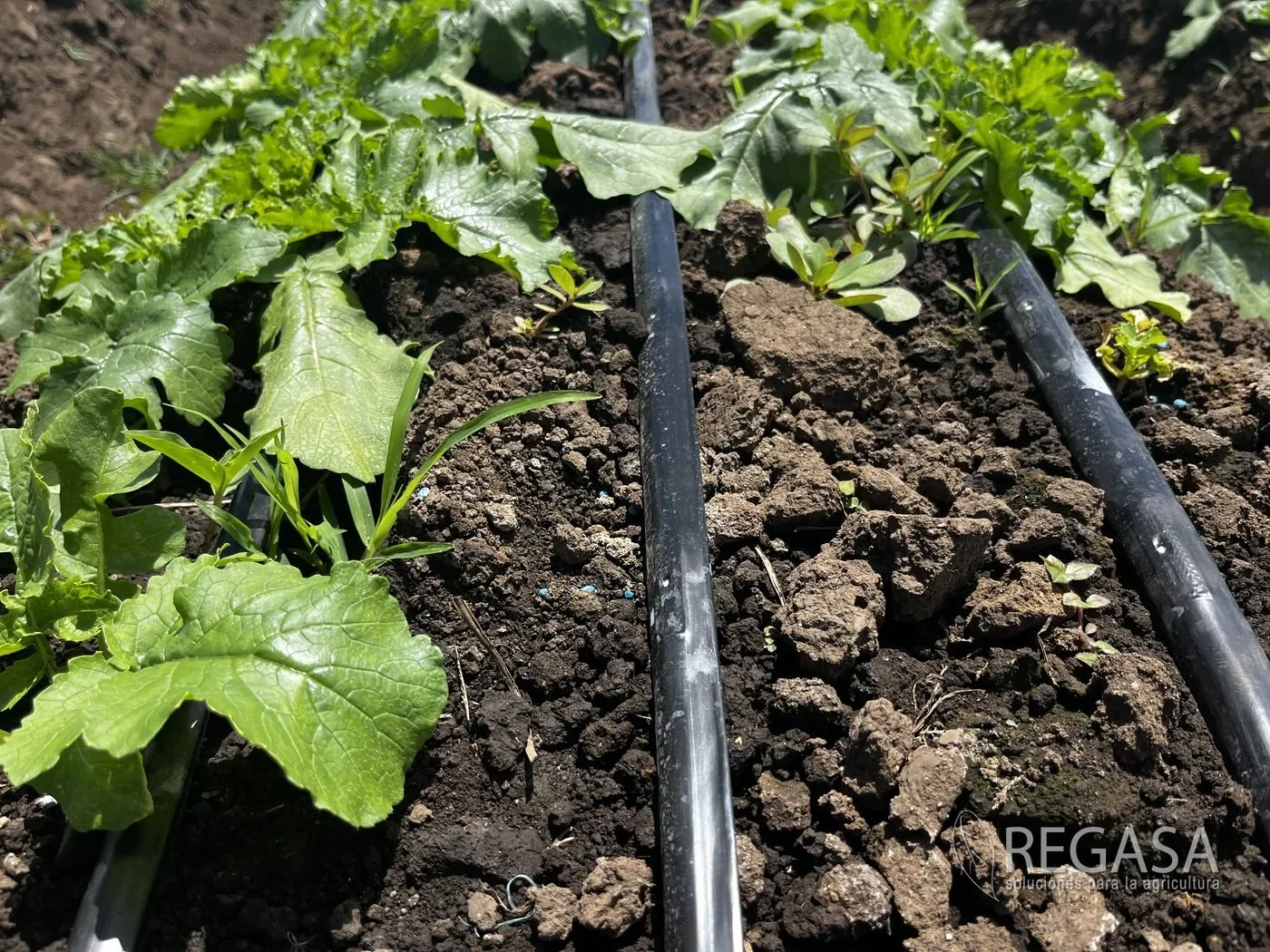
Three production systems, three different businesses. Which one fits depends on your capital, your water, your labor and whether you need NRCS eligibility.
Read article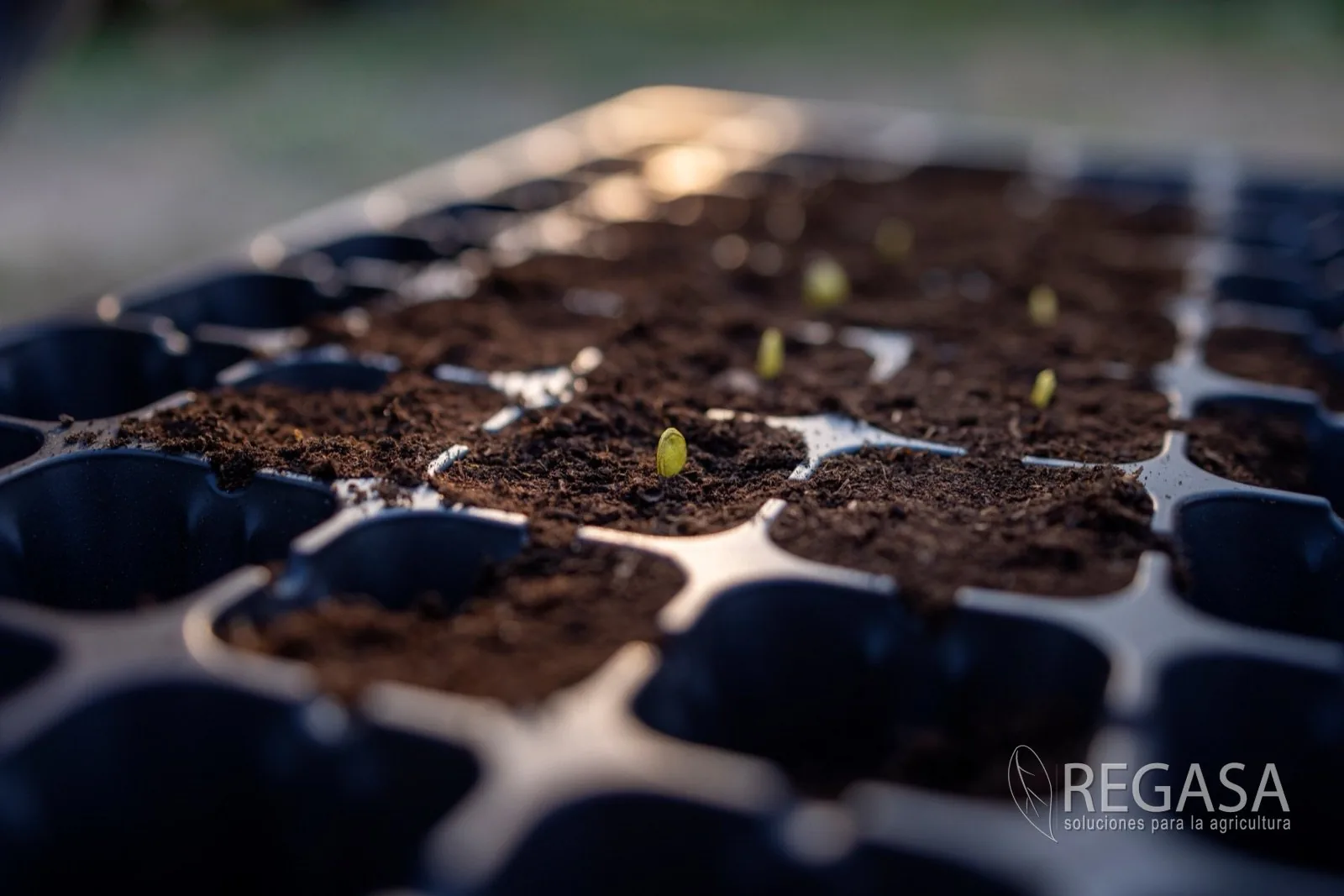
The highest revenue per square foot of any protected crop, and the one where the constraint is almost never growing. It is selling, consistently, every week.
Read article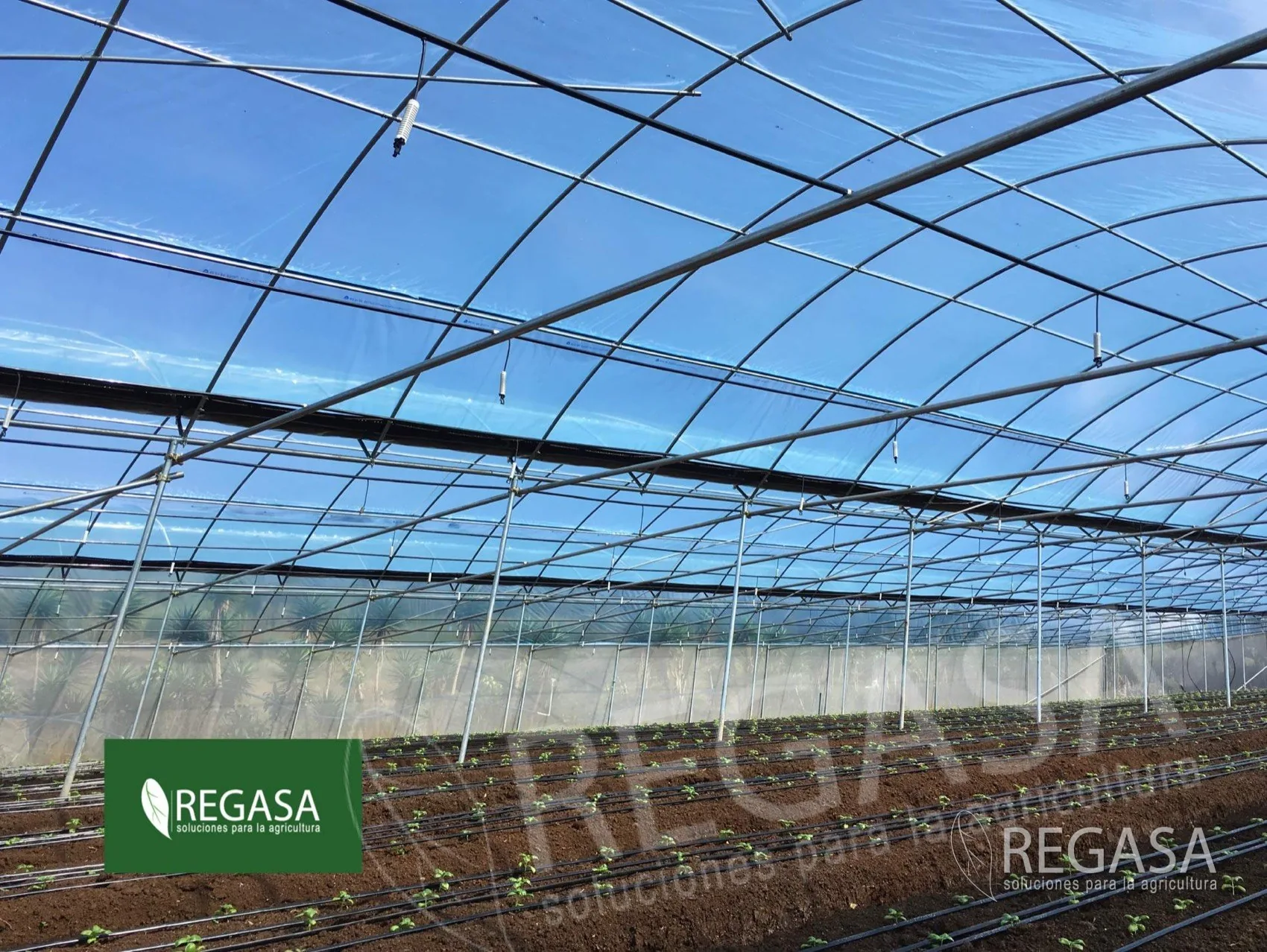
The largest slice of US greenhouse area that food-focused conversations ignore. Here propagation is not a preference, it is a requirement.
Read article
An empty tunnel from October to February is a fixed cost producing nothing. Two crops that get better in the cold are the cheapest way to fix that.
Read article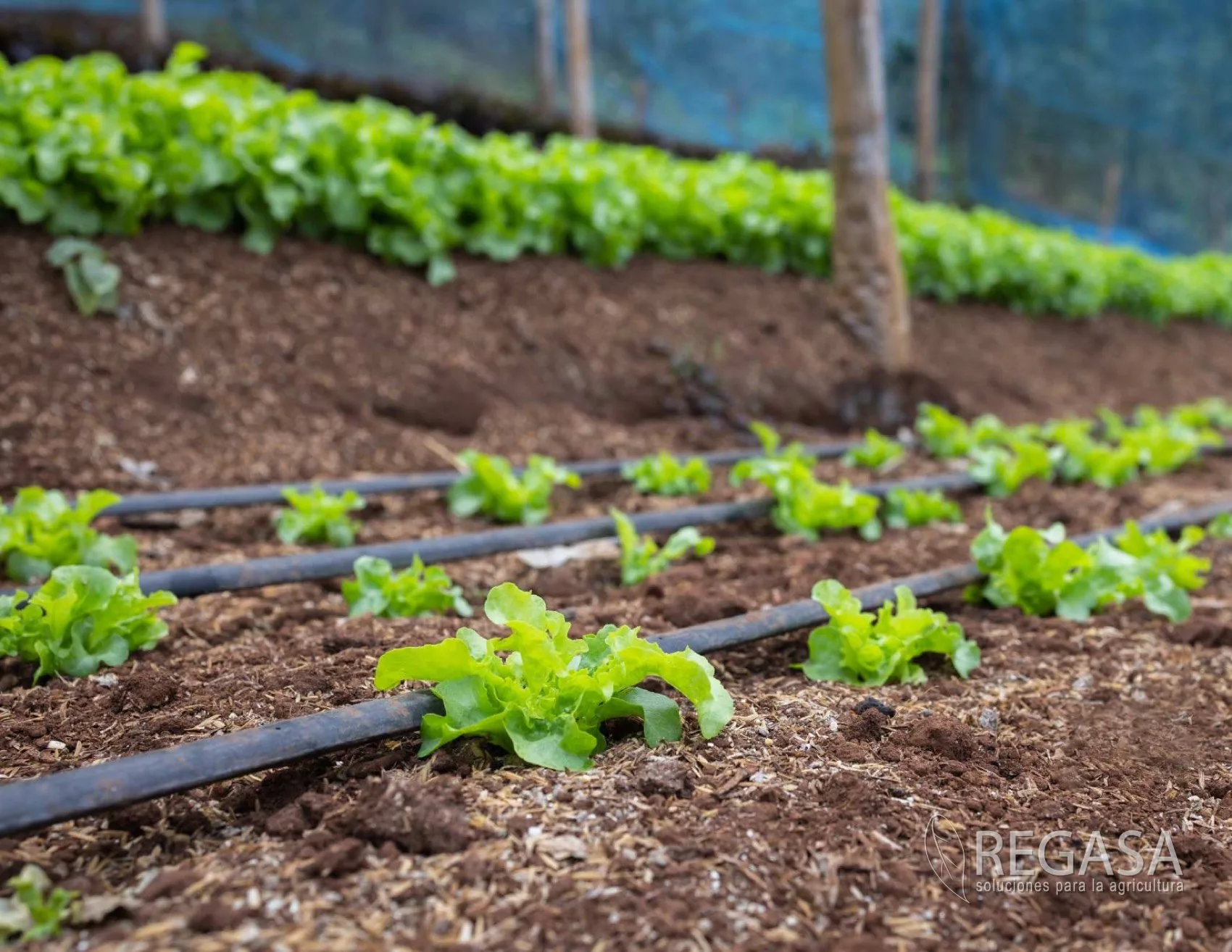
Price per foot is the easiest thing to compare and the least useful. What actually separates suppliers is consistency, availability and what happens mid-season.
Read article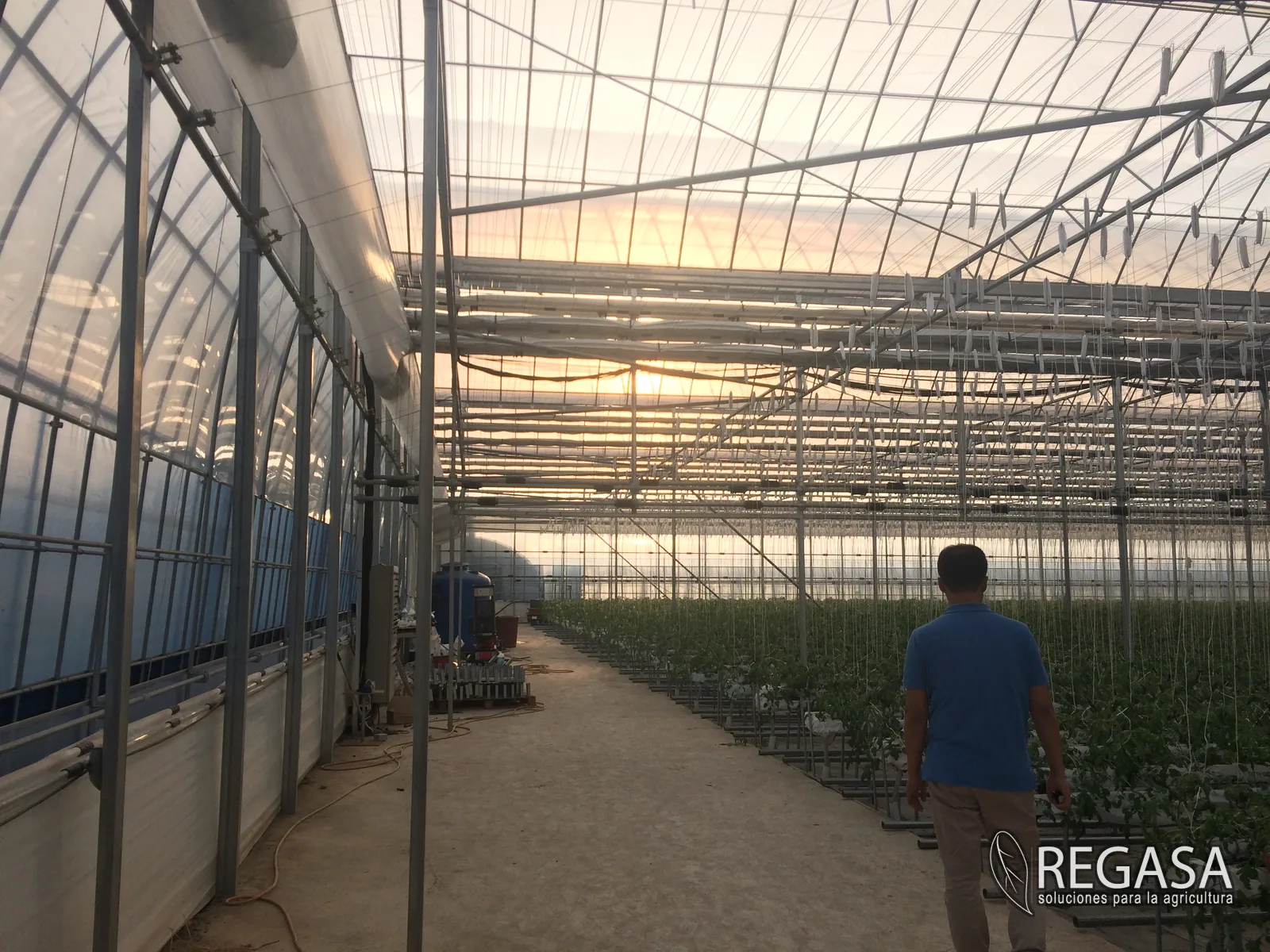
US greenhouse operations roughly doubled in a decade, and greenhouses are about 72% of controlled-environment area. Here is who is growing and what they grow.
Read article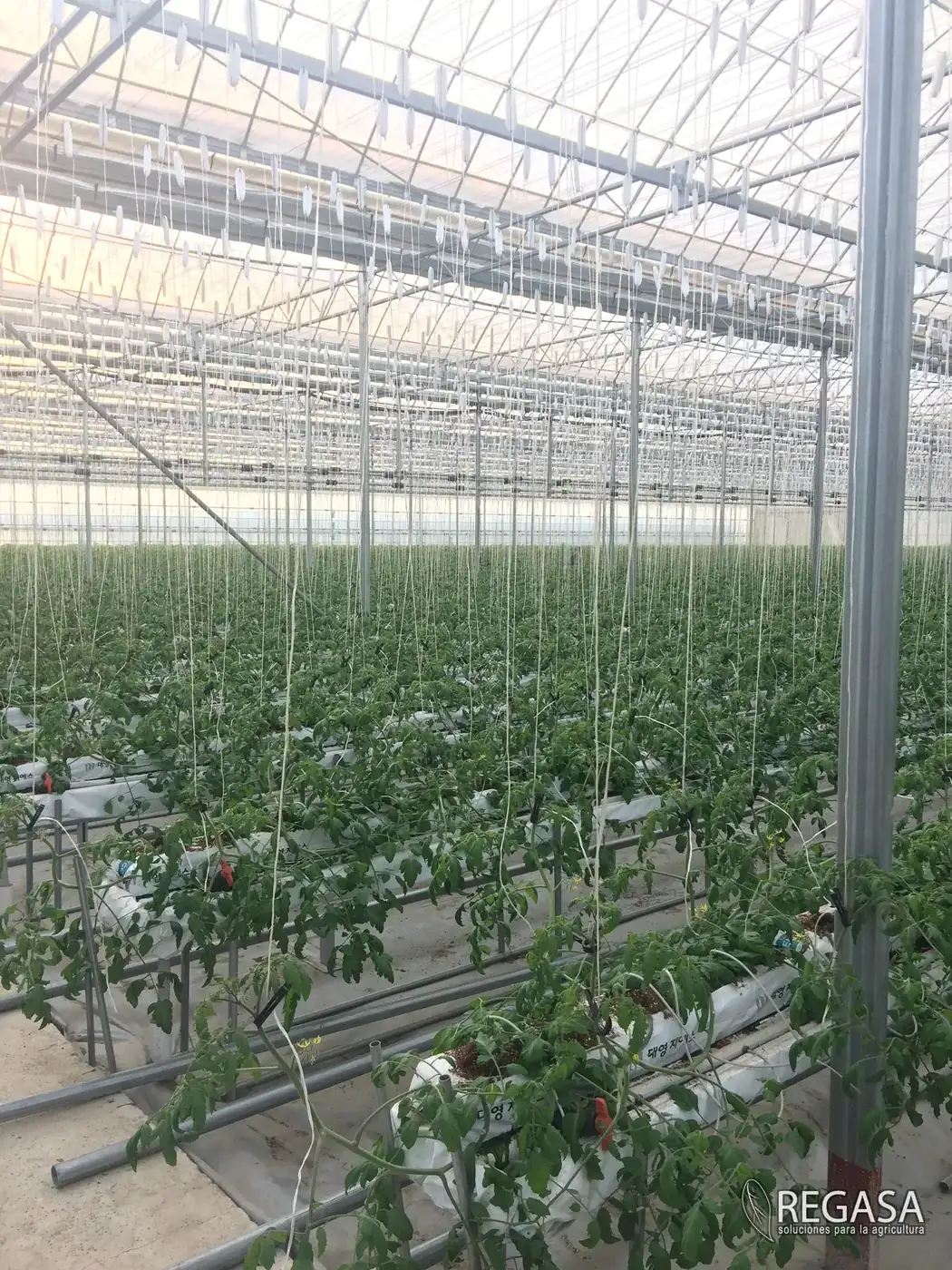
Anyone who answers this with a percentage is quoting one farm. Here is the arithmetic to run on your own operation, and the three things that decide the answer.
Read article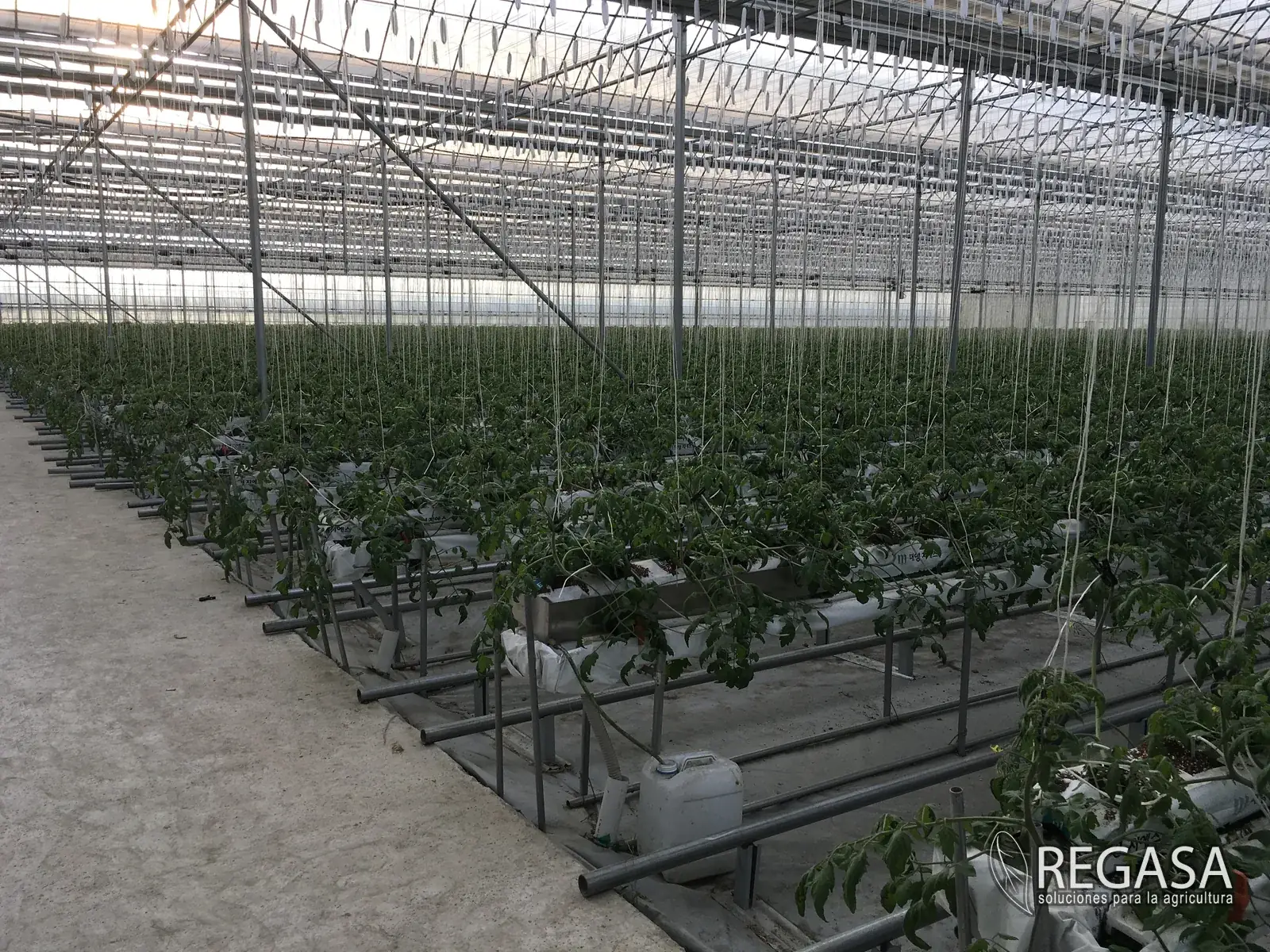
Finer mesh is not better mesh. Every step tighter blocks a smaller insect and costs you airflow, so the right screen is the loosest one that stops your problem.
Read article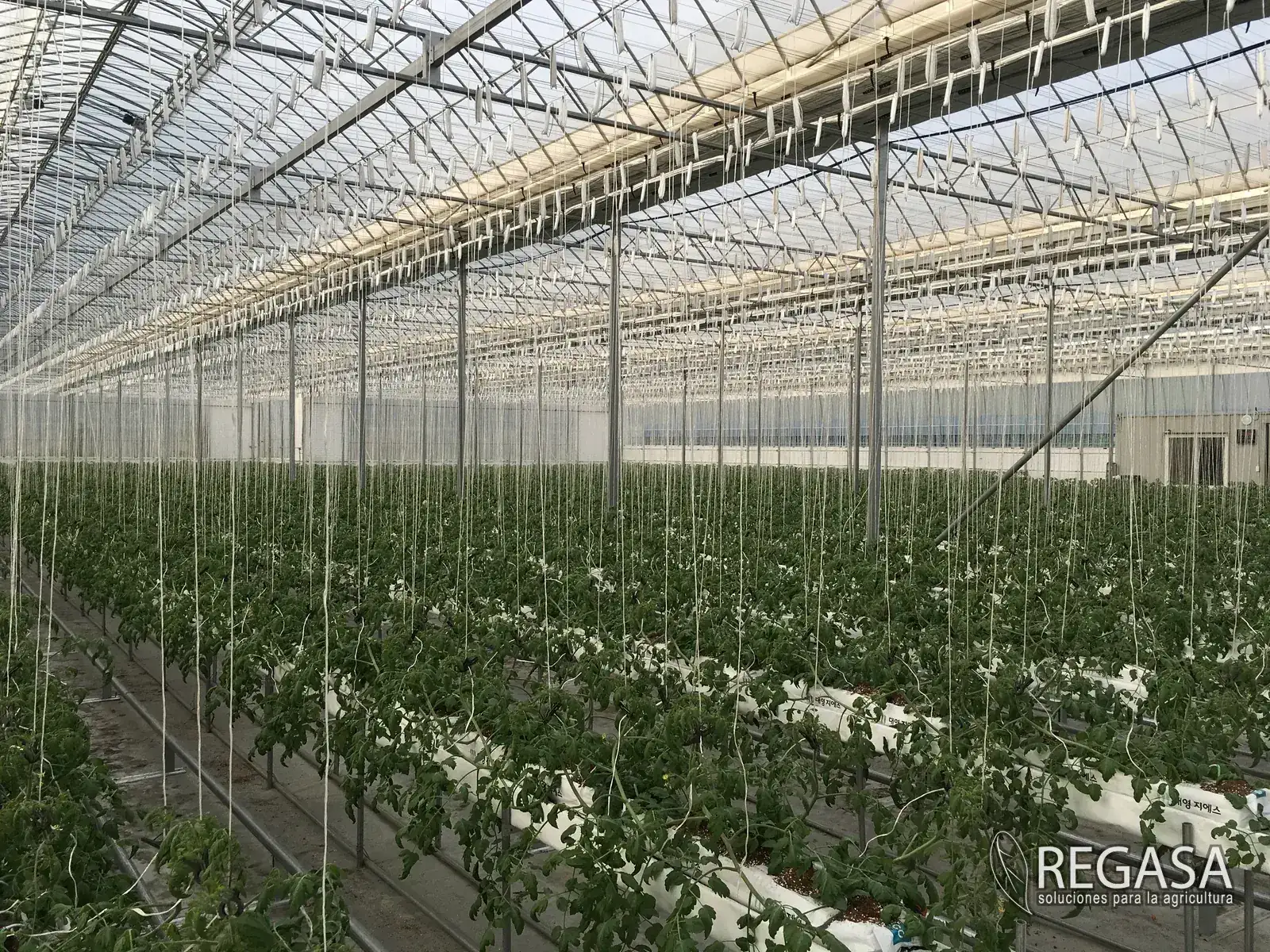
Ventilation is the most commonly undersized system in a greenhouse, and the one whose failure looks like something else. How to tell which type your site needs.
Read article Print this and take it to every quote you get, including ours. The answers separate a supplier who engineers for your site from one who sells from a catalog.
Read article
How long a greenhouse project really takes, where the delays come from, and why the planting date matters more than the order date.
Read article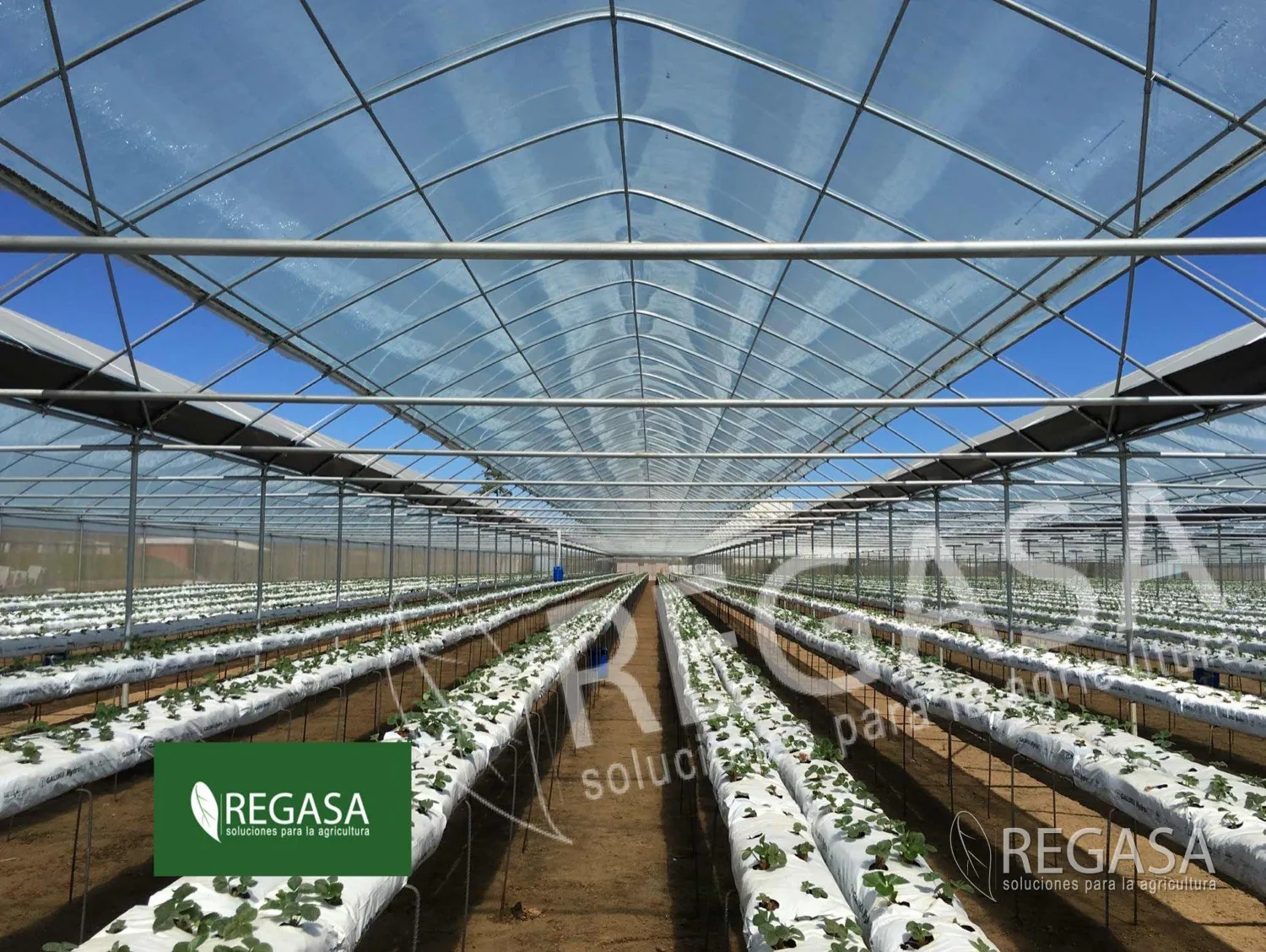
Nobody covers this and nearly everybody gets some of it wrong. The decisions you make before the steel shows up are the ones you cannot undo cheaply.
Read article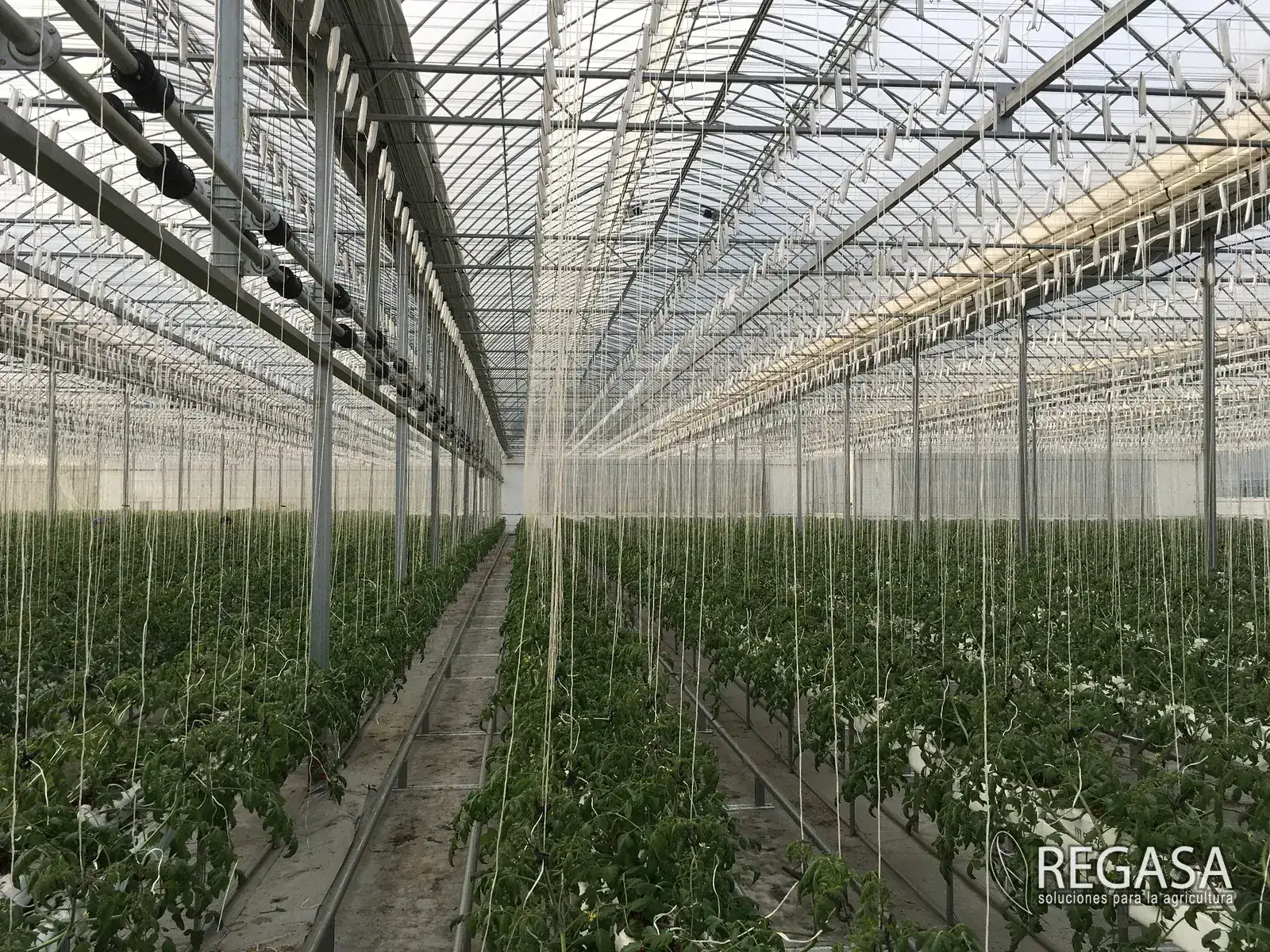
Almost everyone sizes a first greenhouse from their budget and works backward. That is the wrong direction, and it builds a structure you outgrow in year two.
Read article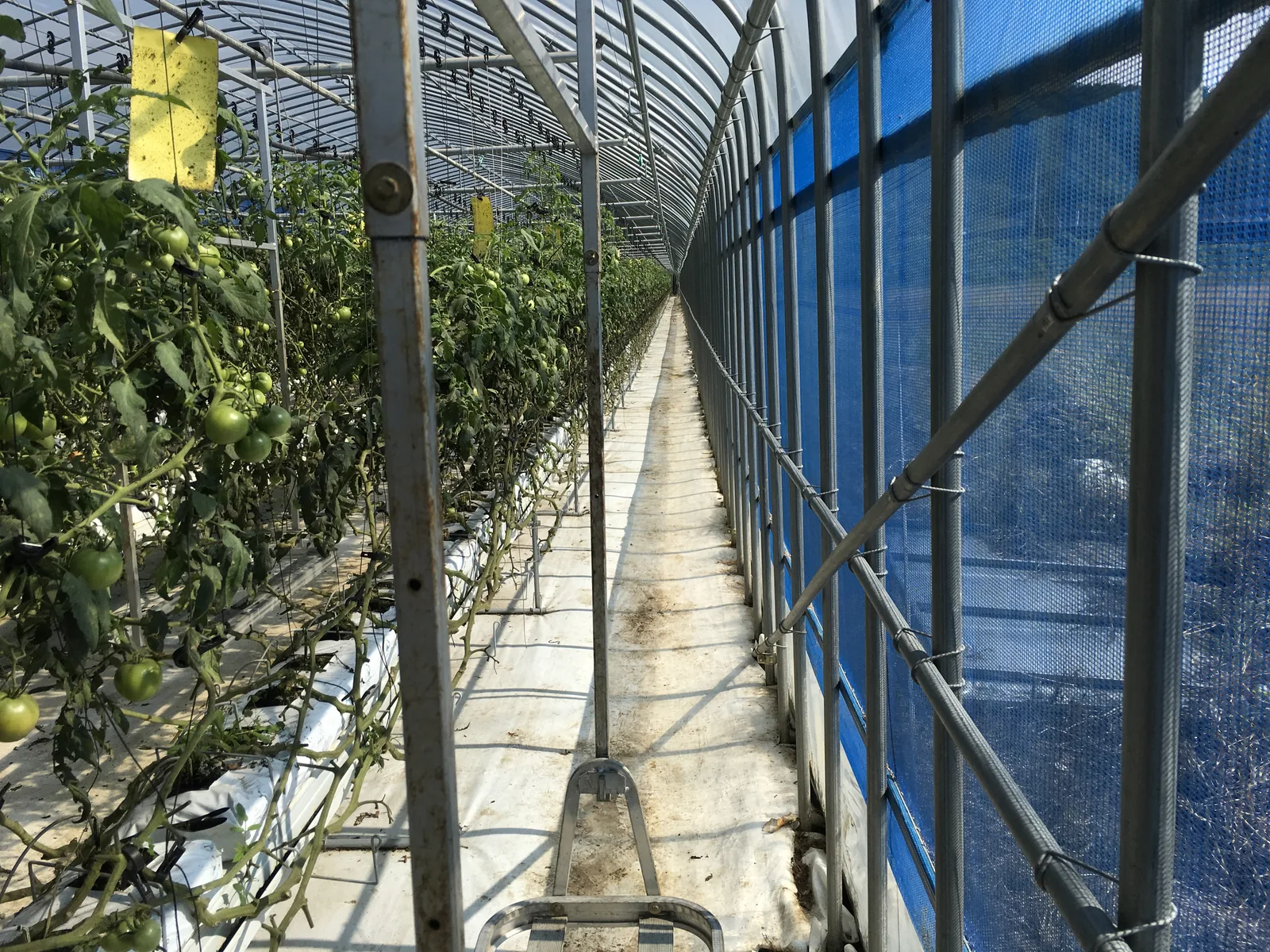
The NRCS high tunnel practice has firm rules about how you grow, not just what you build. Here is what qualifies, what does not, and where applications fail.
Read article
When an input gets more expensive, precision on that input gets more valuable. The case for feeding through the drip line changed when fertilizer prices did.
Read article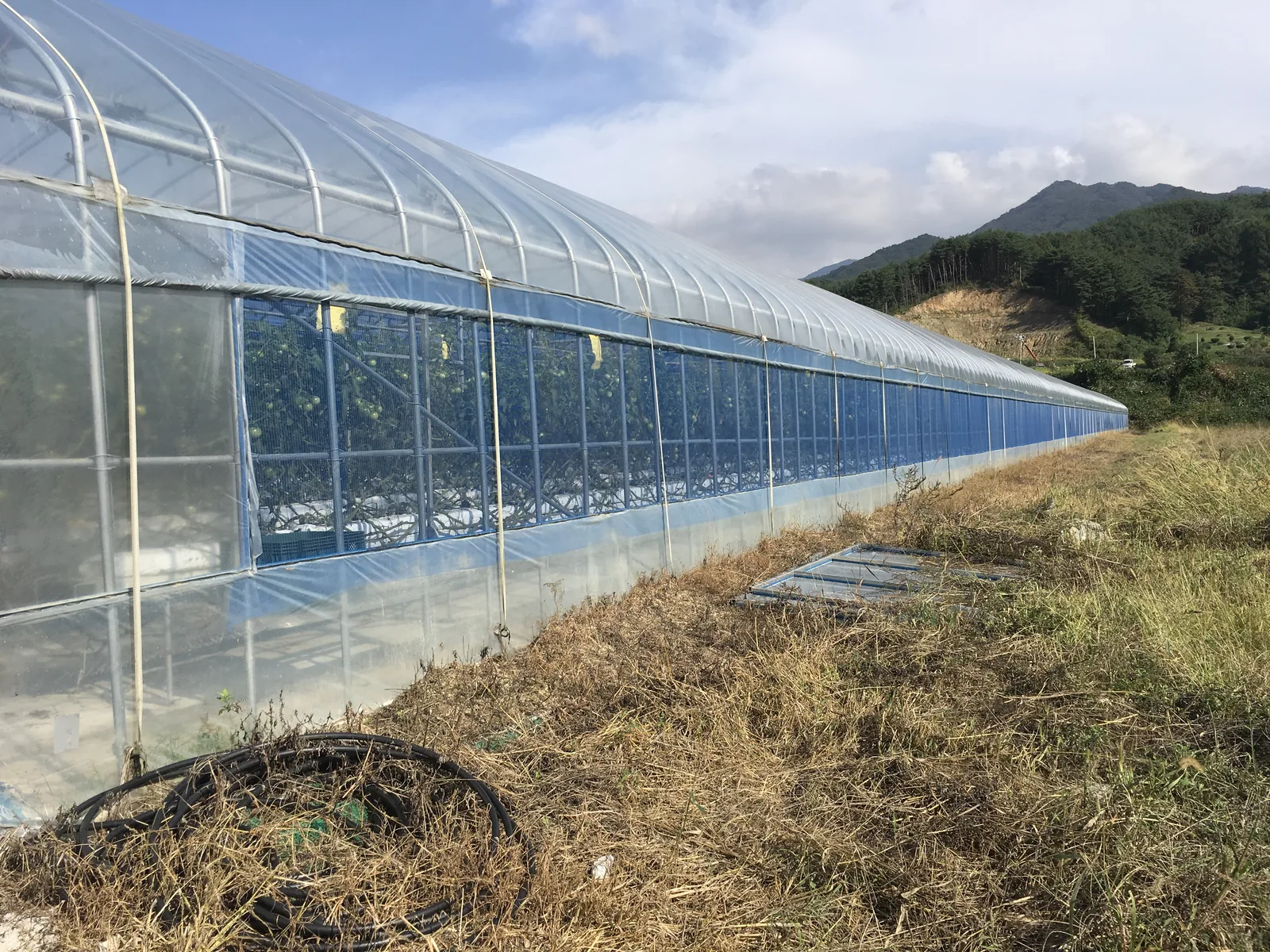
NRCS funds high tunnels, not climate controlled greenhouses. Here are the financing routes that do cover greenhouse structures, and which fits which operation.
Read article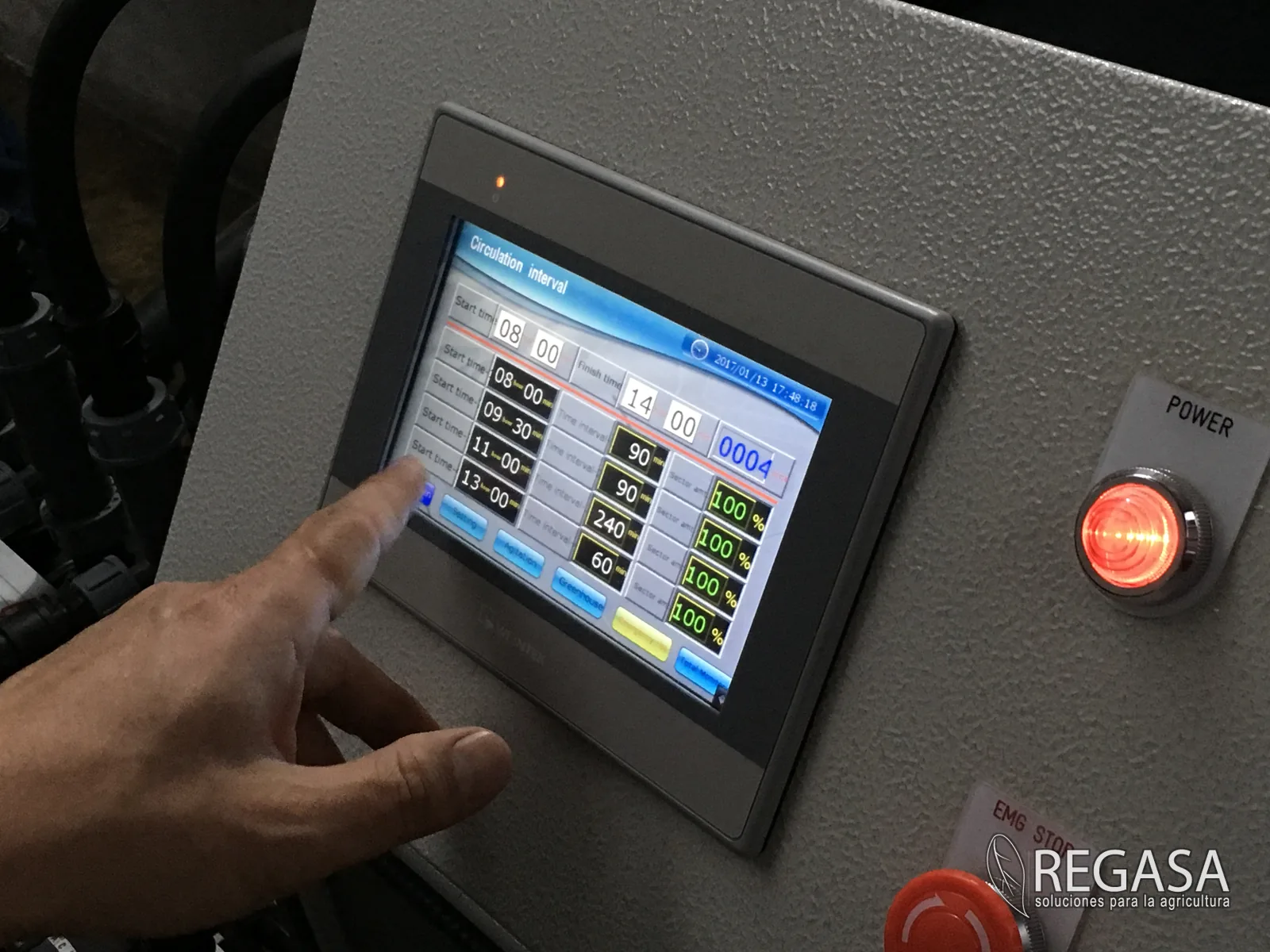
A commercial greenhouse is five layers, and each one constrains the next. Here is the full stack, what each layer decides, and the order to build it in.
Read article H-2A use has grown 185% in a decade. Protected growing changes what you need from the program by removing what it punishes: unpredictability.
Read article The strongest case for protected growing is not yield, it is hours. Where the labor actually goes, task by task, and which lines change under cover.
Read article From the first phone call to a tunnel in the ground. What happens at each stage of an NRCS high tunnel application, in what order, and how long it really takes.
Read article NRCS high tunnel funding runs on state deadlines, not one national date. How the cutoff system works, why rates differ, and how to find yours.
Read article Labor is up nearly 50% since 2020 and it is the largest cost in specialty crops. Growing under cover changes that math in ways most cost comparisons miss.
Read article Not every sustainable greenhouse technology earns its cost. Which ones pay back commercially, which need scale, and which are still marketing.
Read article Drip tape looks like a commodity and is not. Wall thickness, emitter spacing and flow rate move your cost per acre more than price per foot does.
Read article Greenhouse technology is a vague term that hides five separate decisions. Here is what each one does, which ones matter first, and where growers overspend.
Read article The high tunnel program covers less than most growers assume. Here is what falls outside it, so the gaps land in your budget on purpose instead of by surprise.
Read article Growers rank harvest technology first and irrigation second. The returns run the other way around. Here is the order automation actually pays back in.
Read article Your covering decides light transmission, thermal performance, durability and operating cost for the life of the greenhouse. A straight comparison.
Read article Short cycles, strong local demand and good margins make leafy greens and herbs the easiest place to start in a greenhouse. What production looks like.
Read article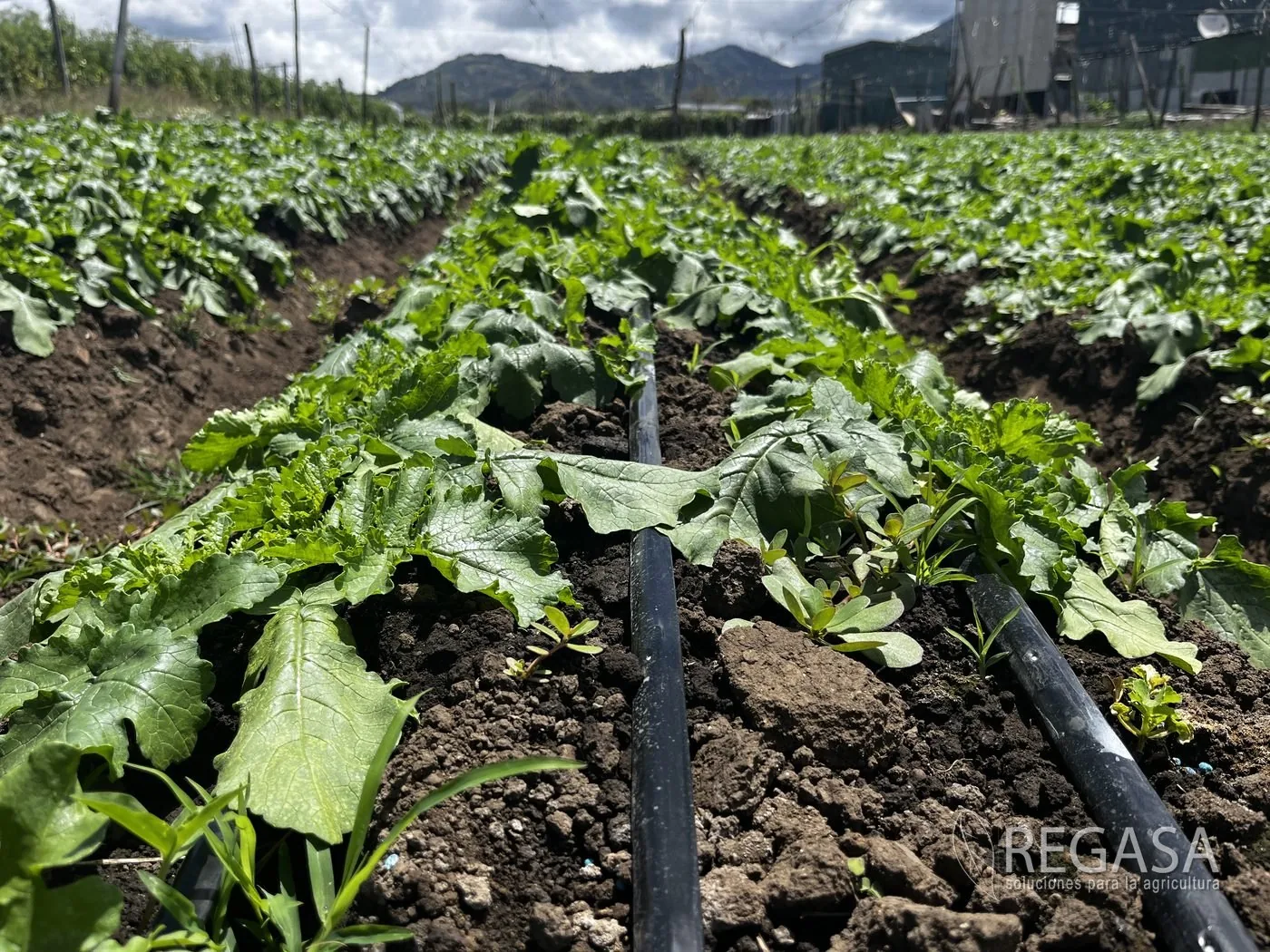
Drip tape and drip line are not interchangeable. Pick the wrong one and you get problems that are painful to fix mid-season. How to choose up front.
Read article Texas is one of the fastest-growing greenhouse markets in the country. A hard climate, a real opportunity, and what careful planning has to cover.
Read article California is the largest greenhouse market in the U.S. What makes the state unique for protected agriculture, and what to plan for before building.
Read article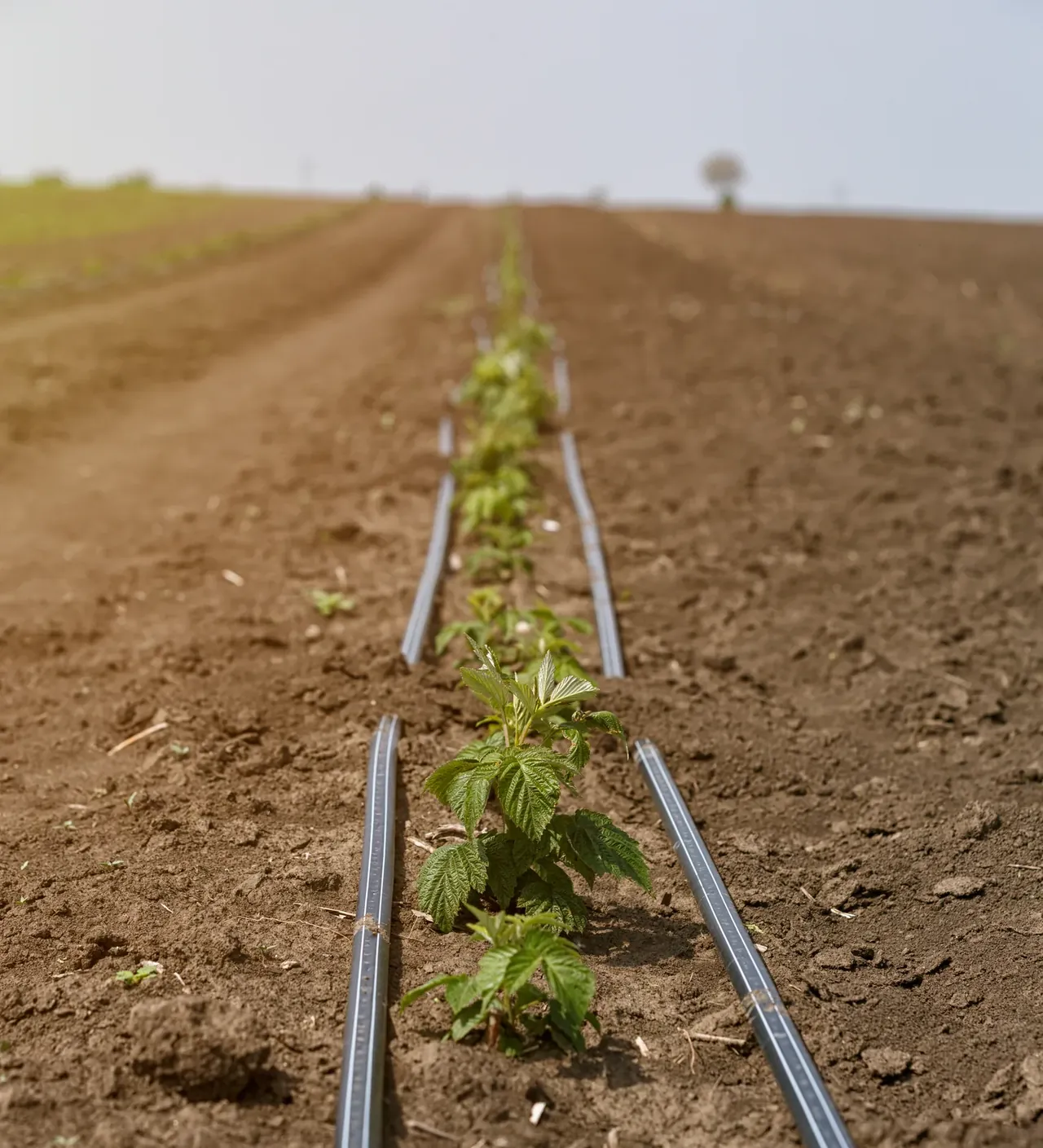
Tunnel production for raspberries and blackberries is growing fast in the U.S. Why it works, what it requires, and whether it fits your operation.
Read article Shape decides how a greenhouse handles snow, sheds rain, moves air and scales. A practical breakdown of the three structure types used commercially.
Read article Vertical farming drew enormous capital and most of it collapsed. Why that happened, and why greenhouses are still the practical path for working farms.
Read article At some point one greenhouse is not enough. Separate structures or a connected multi-bay system shapes your costs and your growth ceiling for years.
Read article Bell and specialty peppers are among the most profitable greenhouse crops in the U.S. What it takes to grow them well and what to expect.
Read article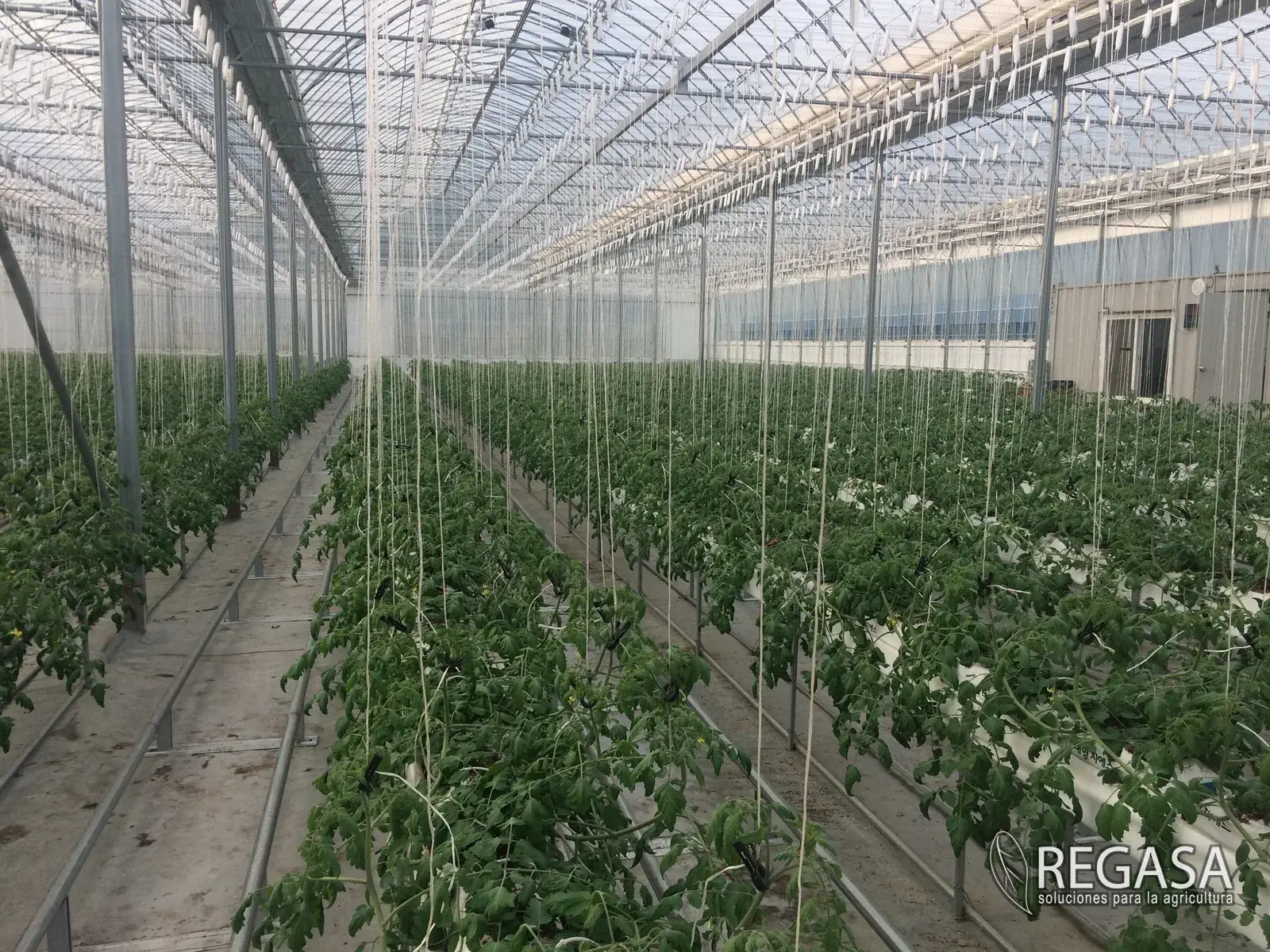
Heat, humidity, hurricane exposure and year-round market access. Florida creates unusual challenges and real advantages for greenhouse growers.
Read article A greenhouse is a serious investment. The real funding options open to U.S. farmers, from federal programs to farm lenders, and how to structure it.
Read article Cucumbers are among the most productive and profitable greenhouse crops. They are also demanding. An honest look at what production involves.
Read article Open field and greenhouse production are fundamentally different businesses. An honest side by side to help you figure out which direction fits.
Read article Greenhouse tomatoes are among the most profitable crops in controlled environment agriculture, and more demanding than most expect. Year one, honestly.
Read article You do not need 10 acres under cover to make greenhouse production work. How to think about starting small and growing on purpose, not by accident.
Read article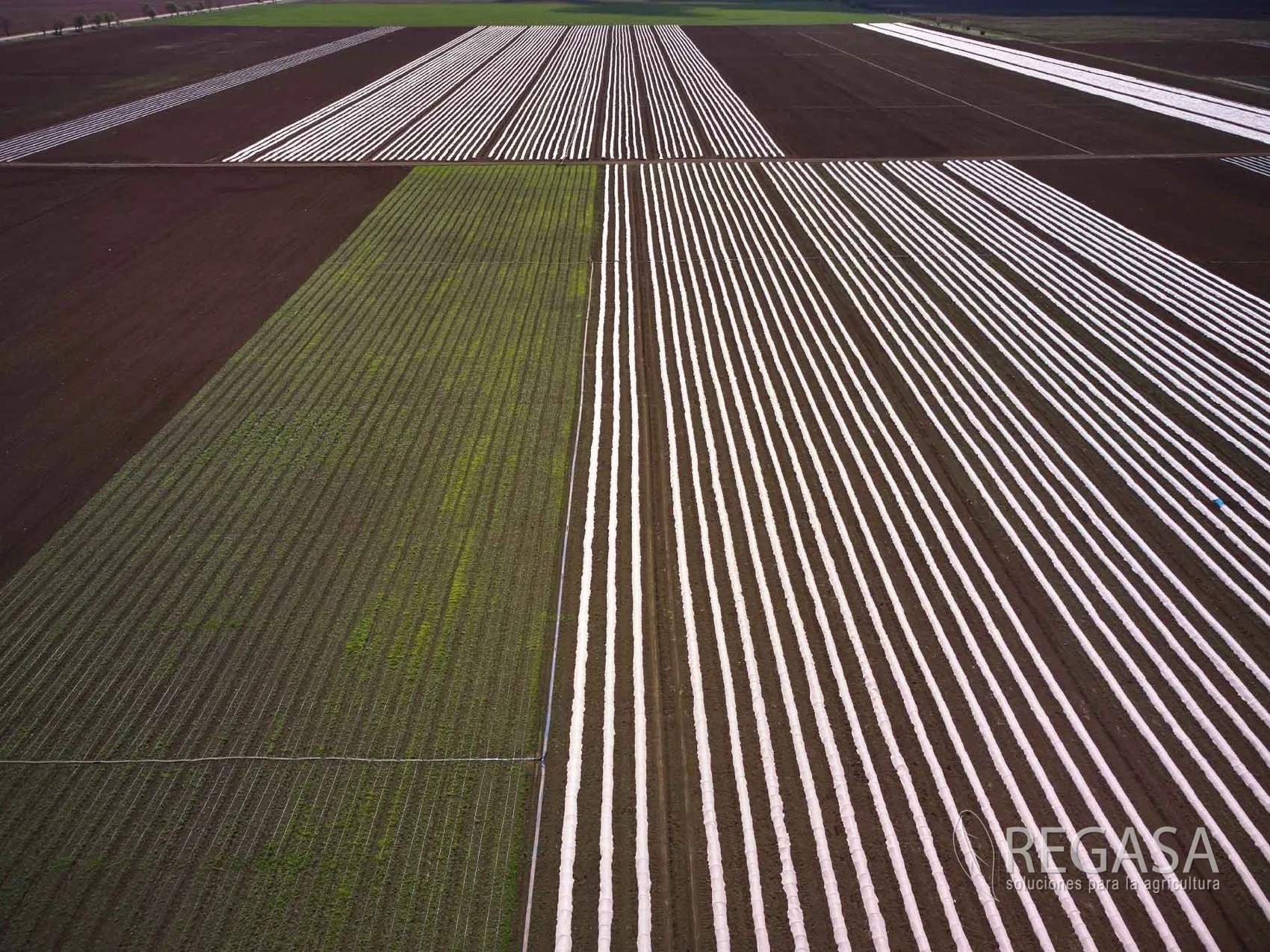
Color, thickness and material change weed control, soil temperature, moisture and yield. How to pick the right plastic mulch for your crop.
Read article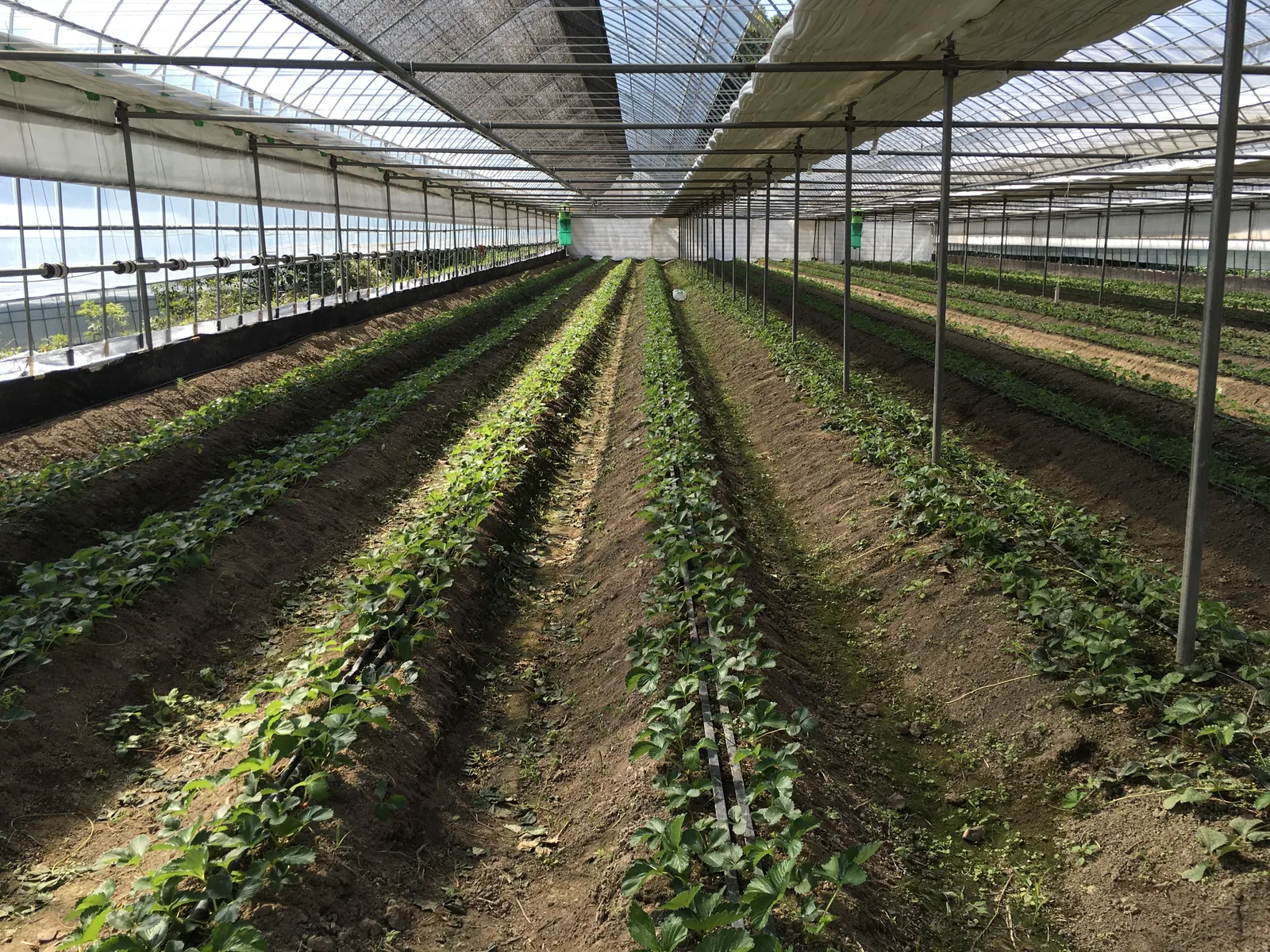
High tunnel blueberry production is growing fast in the U.S. What it takes, what the benefits actually are, and whether it fits your operation.
Read article A greenhouse not engineered for your local weather is not a performance problem, it is a structural risk. How to read snow and wind load ratings.
Read article Buying a commercial greenhouse is a major decision. These are the questions experienced growers wish they had asked before signing anything.
Read article Since 1995 REGASA has supplied structures, drip irrigation and growing systems across Latin America and the United States. What three decades taught us.
Read article Twelve months of production is possible in almost every U.S. state with the right structure. What it requires and how to know if you are ready.
Read article Not all greenhouse frames are built the same. What separates a structure that lasts from one that fails in year three, and what to ask before buying.
Read article High tunnels are one of the most practical investments a strawberry operation can make. What they do to your harvest window, and why growers repeat.
Read article The USDA NRCS EQIP High Tunnel Initiative helps qualifying farmers cover installation. What the program actually covers and how to apply.
Read article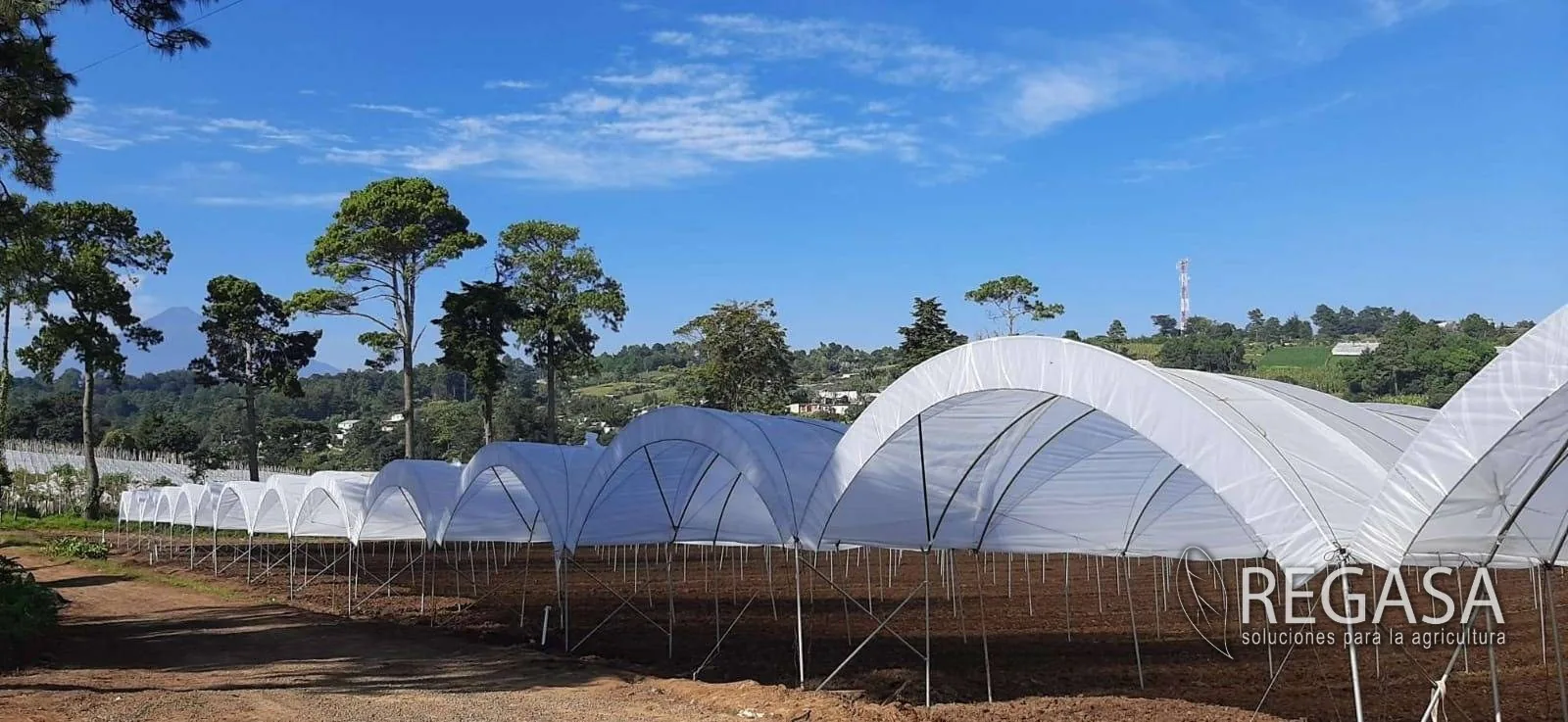
Single-span high tunnel, gutter-connected multi-bay, or full greenhouse. What each one does, who it fits, and how to choose without overbuying.
Read article How drip irrigation systems can cut water use by 50% during drought conditions. Practical strategies, system design and crop-specific tips for American farmers.
Read article Honest ROI analysis for greenhouse farming in the USA. Real numbers on costs, revenue, payback periods and which crops make the most financial sense.
Read article How American farmers are using greenhouses and multi-tunnels to grow strawberries year-round. Varieties, systems, costs and ROI for US berry producers.
Read article Complete comparison of REGASA drip tapes R1, Q1 and B1-PC. Flow rates, crop recommendations and installation tips for American farmers.
Read article