
 Guatemala
  México
  Perú
Perú  Costa Rica
  USA
USA Commercial Greenhouse Farming in Florida: What the Climate Demands
Heat, humidity, hurricane exposure and year-round market access. Florida creates unusual challenges and real advantages for greenhouse growers.
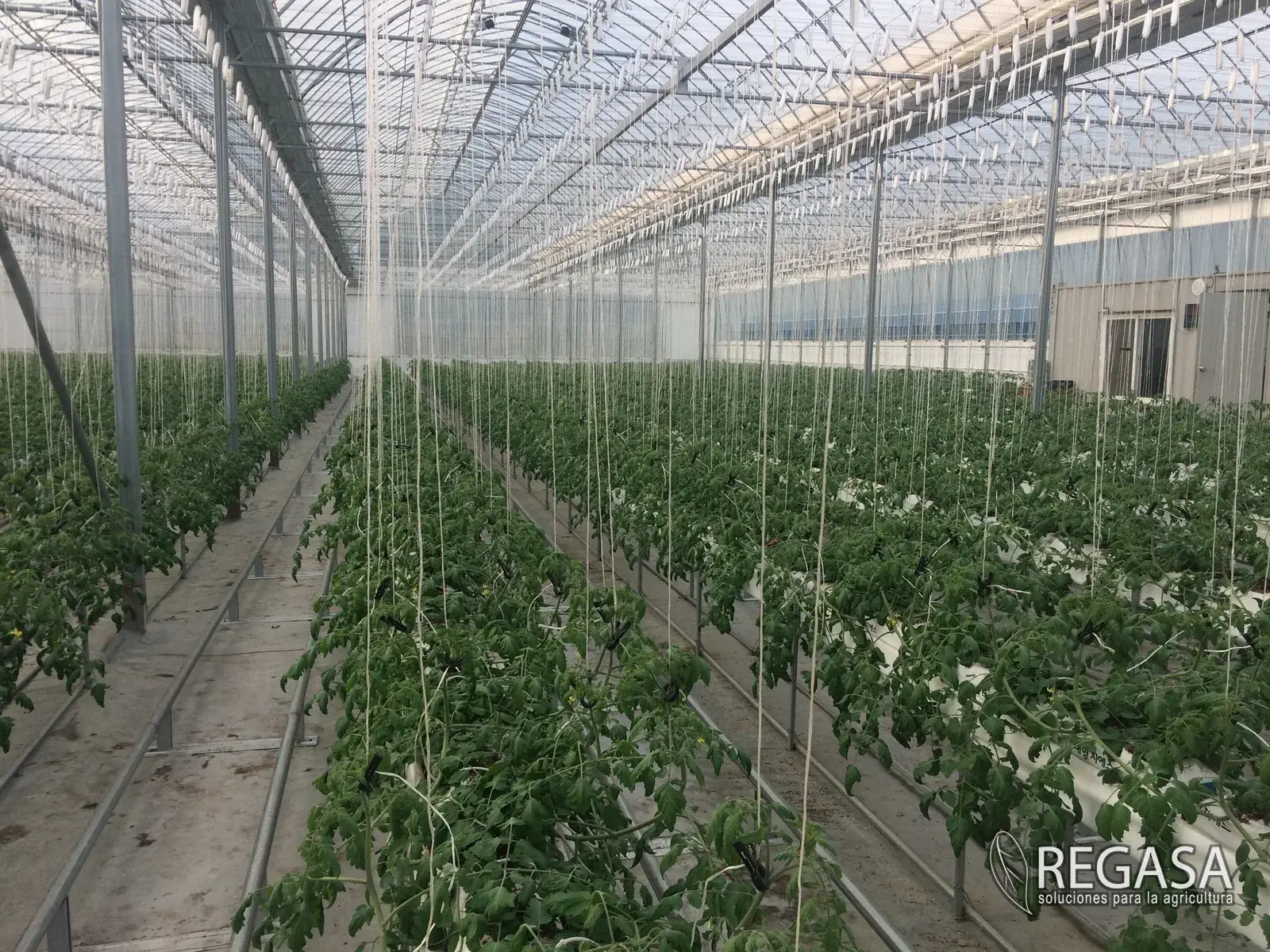
Florida is the second-largest vegetable producing state in the country and has one of the largest year-round markets for fresh produce anywhere in the Southeast. It’s also one of the hardest states to build and operate a greenhouse in, for reasons that are different from the challenges growers face in northern or western states.
The design priorities for a Florida greenhouse are almost inverted compared to what you’d plan for in Minnesota or Michigan. You’re not trying to hold heat in. You’re trying to get rid of it.
Looking for the numbers first? Our Florida greenhouse page has the frost-free window, wind rating and the crops that pay in the state.
The Florida Climate Challenge
Summer in Florida is not like summer anywhere else in the continental U.S. The combination of high temperatures, consistently high humidity, intense UV radiation, and afternoon thunderstorms creates a production environment that punishes structures that aren’t designed specifically for it.
Interior temperatures in an unventilated or underventilated greenhouse during a Florida summer can reach levels that kill most crops within hours. This isn’t an occasional problem you manage around. It’s the fundamental design challenge for any covered structure in the state.
Ventilation needs to be generous. The standard rule-of-thumb ventilation calculations used for northern greenhouses underestimate what’s needed in Florida conditions. High-pressure fog cooling or evaporative cooling systems are used in many operations to bring interior temperatures down enough to maintain production during the hottest months.
Humidity management is the secondary challenge. Florida’s ambient humidity is high, and inside a greenhouse it climbs higher. For crops that are susceptible to fungal disease, including tomatoes and most cucumbers, high interior humidity creates conditions that favor disease development. Ventilation design needs to move humid air out and create enough air movement within the canopy to reduce disease pressure.
Hurricane and Wind Load Requirements
Florida has a building code for greenhouse structures that reflects the state’s hurricane exposure. Requirements vary by county and by wind zone, and the design specifications for a structure in South Florida are different from what’s required in North Florida or the Panhandle.
This isn’t bureaucratic overhead. A greenhouse that fails in a tropical storm causes real damage and real losses. The structural engineering needs to match the location.
Before you design a greenhouse project in Florida, get current information from your county’s building department about the applicable wind load requirements. Work with a supplier who has experience building in Florida and can provide structures engineered to meet those requirements. A structure imported from a region without hurricane exposure and not engineered to Florida standards is a liability.
Summer vs. Winter Production
Florida greenhouse production is often designed around the state’s natural seasonal rhythms. Summer is difficult for many vegetable crops due to heat and disease pressure. Winter in most of Florida is genuinely pleasant growing weather, with mild temperatures and lower humidity.
Many Florida greenhouse operations focus on fall, winter, and spring production, when the climate supports high-quality vegetable crops, and manage summer differently, either with heat-tolerant crops, reduced production intensity, or focusing on crops that handle Florida summer conditions.
This is a different production philosophy than what makes sense in northern states, where the greenhouse exists specifically to capture winter production. In Florida, winter doesn’t need a greenhouse to produce well in the field. The greenhouse serves different purposes: rain exclusion to protect quality, pest exclusion to reduce pesticide use, higher density production, and schedule control for year-round supply to markets that want consistency.
Crops That Make Sense in Florida
Strawberries are the most significant high-tunnel crop in Florida. The state is one of the largest fresh strawberry producers in the country, and the tunnel production model has expanded significantly in Plant City and the surrounding area. Rain exclusion during the harvest window reduces fruit disease pressure and improves quality dramatically. The cool Florida winters are well-suited to strawberry production, and the market access from the eastern seaboard is exceptional.
Tomatoes in Florida face significant disease pressure in field production. Protected growing reduces pathogen load, and the consistent quality that comes from covered production commands premium prices in the right market channels.
Herbs and leafy greens for the food service market in Miami, Tampa, and Orlando represent a strong opportunity for smaller operations. The restaurant density in these markets, combined with the demand for local sourcing, creates buyers who will pay for consistently fresh local product.
Tropical fruits and ornamentals are also a significant part of Florida’s protected agriculture sector, though those are different production systems from the vegetable and berry focus covered here.
Water Quality in Florida
Florida’s groundwater in many regions has high mineral content, particularly calcium and magnesium, and in some coastal areas, salinity is a concern. For drip irrigation systems, this affects emitter selection, filtration requirements, and maintenance schedules.
Test your water source before you design your irrigation system. If you have high mineral content, plan your filtration system and flushing schedule to match. Emitter clogging from mineral deposition is a predictable problem in Florida drip irrigation that becomes an unpredictable problem if you don’t account for it upfront.
Getting Started in Florida
Florida’s greenhouse and tunnel sector is established enough that there’s a good base of experience to learn from. The University of Florida IFAS extension system has substantial resources on protected agriculture for Florida conditions, and there are growers in most regions of the state who have been doing this for years.
The structural decisions, ventilation design, hurricane engineering, and water management approach all need to be matched to your specific county and microclimate. What works in Hillsborough County may be different from what works in Collier or Alachua.
If you’re planning a greenhouse or tunnel project in Florida, reach out to our team. We can walk through the specific design requirements for your location and crop.
See the full breakdown for your state on the Florida greenhouse page, or browse all 50 states.
What we build
The products behind this article
Want this sized for your farm?
Tell us your crop, your acreage and your state. An advisor comes back with the structure that fits your climate, within one business day. No obligation.
Keep reading