 Guatemala
  México
  Perú
Perú  Costa Rica
  USA
USA Commercial Greenhouse Farming in Texas: What Growers Need to Plan For
Texas is one of the fastest-growing greenhouse markets in the country. A hard climate, a real opportunity, and what careful planning has to cover.
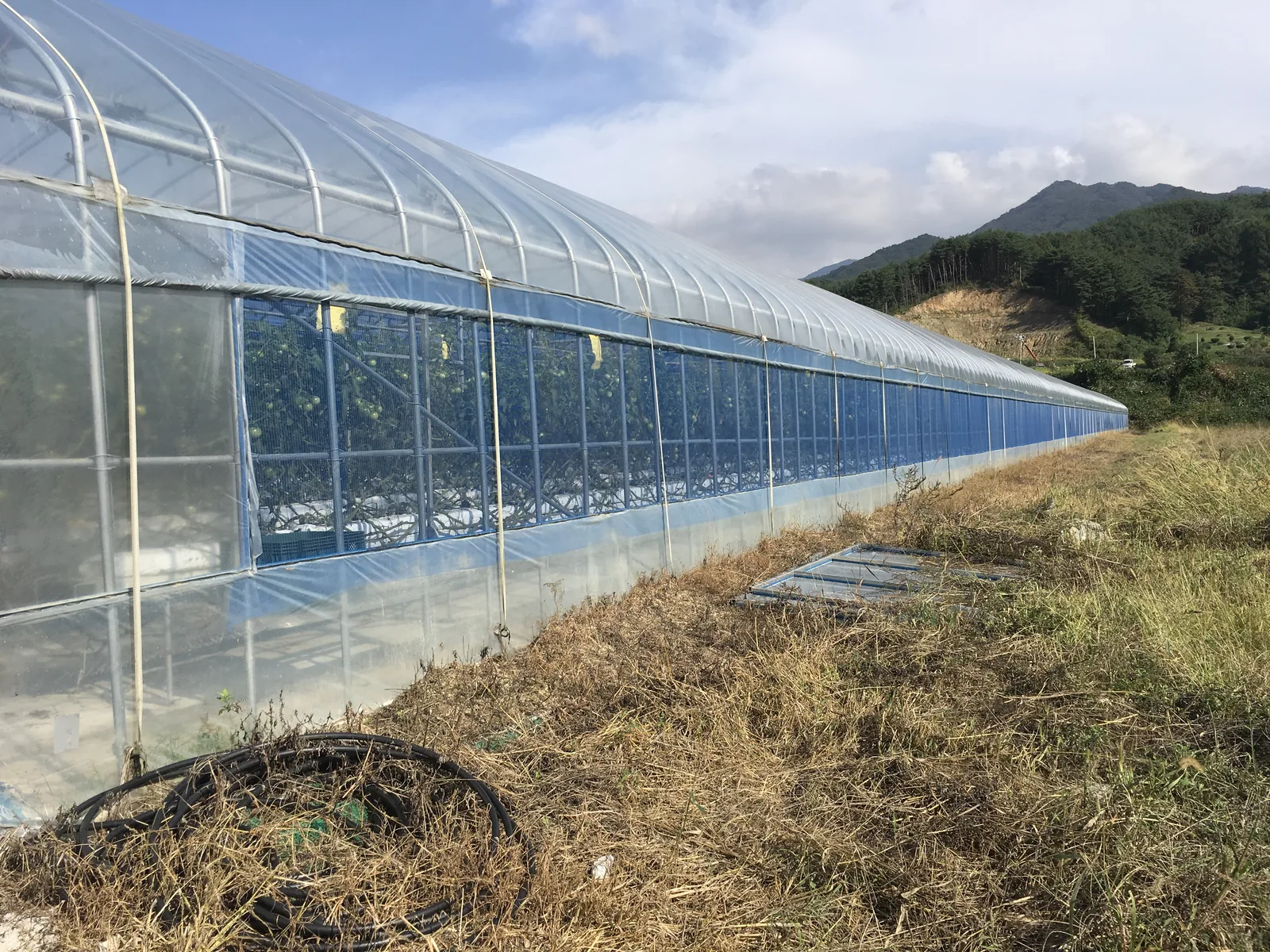
Texas is not the first state most people think of when they picture greenhouse farming. The heat, the size of the state, and the strong tradition of open-field row crop production make it feel like an unlikely place for controlled-environment agriculture. But the greenhouse sector in Texas has been growing steadily, and for reasons that make a lot of sense once you look at the underlying conditions.
Water scarcity, extreme summer heat that limits the field production window, large urban markets with strong demand for local produce, and the state’s general willingness to invest in agricultural innovation have all pushed Texas growers to take protected agriculture seriously.
Looking for the numbers first? Our Texas greenhouse page has the frost-free window, wind rating and the crops that pay in the state.
The Texas Climate Reality
Anyone farming in Texas knows the extremes. Summer highs regularly reach 100°F to 110°F across much of the state. Drought cycles are severe and getting more frequent. Spring and fall offer genuinely good growing conditions, but the summer window for many vegetable and fruit crops is difficult in the open field.
For greenhouse farming, the summer heat is the design challenge. A structure that can’t manage interior temperatures during a Texas summer is worse than useless because it concentrates heat and destroys crops faster than the open field would.
Ventilation design for a Texas greenhouse needs to account for sustained high temperatures, not occasional heat events. That means properly sized roof vents, side wall ventilation, and in many cases shade systems that reduce solar heat gain during peak summer hours. Evaporative cooling systems are used in some operations to bring interior temperatures down to manageable levels during the hottest weeks.
The good news is that Texas winters are mild in most of the state. The heating investment that defines greenhouse economics in northern states is much lower in Texas. That changes the year-round operating cost structure significantly in favor of Texas producers.
Water Is the Real Driver
The most compelling case for greenhouse farming in Texas isn’t the temperature management. It’s the water.
The Ogallala Aquifer, which underlies a large portion of the Texas Panhandle and High Plains, is being depleted at rates that are changing long-term farming viability in those regions. In the Edwards Plateau and Central Texas, surface water availability has become increasingly uncertain. Even in East Texas, where water has historically been more abundant, regulatory and competitive pressure on water resources is growing.
Greenhouse and tunnel production with drip irrigation uses a fraction of the water required for open-field production of the same crops. For farmers who are watching their water situation change and thinking about what their operation looks like in fifteen years, protected agriculture is a serious part of that conversation.
Crops That Fit Texas Conditions
The Texas market for locally grown fresh produce is large and underserved by in-state production. The major urban centers, including Dallas-Fort Worth, Houston, San Antonio, and Austin, have significant retail, food service, and direct market demand for quality vegetables and fruits.
Tomatoes are the most natural fit for greenhouse production in Texas. The state imports the vast majority of its fresh tomatoes, mostly from Mexico and from northern greenhouse operations. A well-run Texas greenhouse tomato operation serving urban Texas markets is solving a real supply chain problem, and buyers in those markets respond to local sourcing stories.
Peppers, cucumbers, and leafy greens follow similar logic. The demand is there, the in-state production is limited, and the greenhouse model allows year-round supply that field production can’t consistently deliver.
Berry production under high tunnel and hoop house structures is growing in Central Texas and East Texas, where the milder winters and adequate spring and fall production windows make the investment worthwhile. The summer heat limits berry production during peak Texas summer months, so the season management strategy matters.
Herbs for the restaurant market in Austin, Dallas, and Houston represent a high-margin opportunity for smaller greenhouse operations that want to serve the food service sector directly.
Structural Considerations for Texas
A greenhouse built for Minnesota is not right for Texas. The engineering priorities are different.
In Texas, the structure needs to handle high wind events, including severe thunderstorms and occasional tornadoes in the northern part of the state. Wind load ratings matter, and the structure needs to be anchored appropriately for your specific location.
Summer ventilation capacity needs to be generous. This is an area where many growers underspecify and then spend years managing the consequences. Talk to your supplier about the ventilation design specifically for Texas summer conditions and make sure the numbers are right before you commit to a design.
The covering material choice also matters more in Texas than in milder climates. High UV environments degrade standard polyethylene faster, and the covering selection should account for the intensity of Texas summer sun.
Market Opportunities Worth Knowing About
The Texas Department of Agriculture has programs supporting local food system development, and several regional food hubs and grocery initiatives have active interest in sourcing from Texas producers. The Buy Texas brand and similar programs create marketing opportunities for growers who want to leverage their in-state production identity.
The restaurant scene in Austin and Dallas in particular has strong interest in local supply chains and is willing to pay for quality and consistency. Getting into those relationships early, before greenhouse production in the state is more competitive, is a real opportunity.
Farm stands and farmers markets in Texas remain strong direct market channels, especially in suburban and rural areas where community connection to local food production is valued.
Getting Started in Texas
The starting point for a Texas greenhouse project is understanding your specific location’s conditions well enough to spec the structure correctly. Average Texas conditions are too broad to design from.
What is your county’s prevailing wind direction and typical summer wind speed? What is your typical high temperature in July and August? What is your primary water source and what is the water quality? What crops do you intend to grow and what market do you have access to?
These questions shape every aspect of the project. We’re glad to work through them with you. If you’re planning a greenhouse or tunnel operation in Texas, reach out to our team and let’s start from your specific situation.
See the full breakdown for your state on the Texas greenhouse page, or browse all 50 states.
What we build
The products behind this article
Want this sized for your farm?
Tell us your crop, your acreage and your state. An advisor comes back with the structure that fits your climate, within one business day. No obligation.
Keep reading