 Guatemala
  México
  Perú
Perú  Costa Rica
  USA
USA How to Finance a Commercial Greenhouse: Funding Options for American Farmers
A greenhouse is a serious investment. The real funding options open to U.S. farmers, from federal programs to farm lenders, and how to structure it.
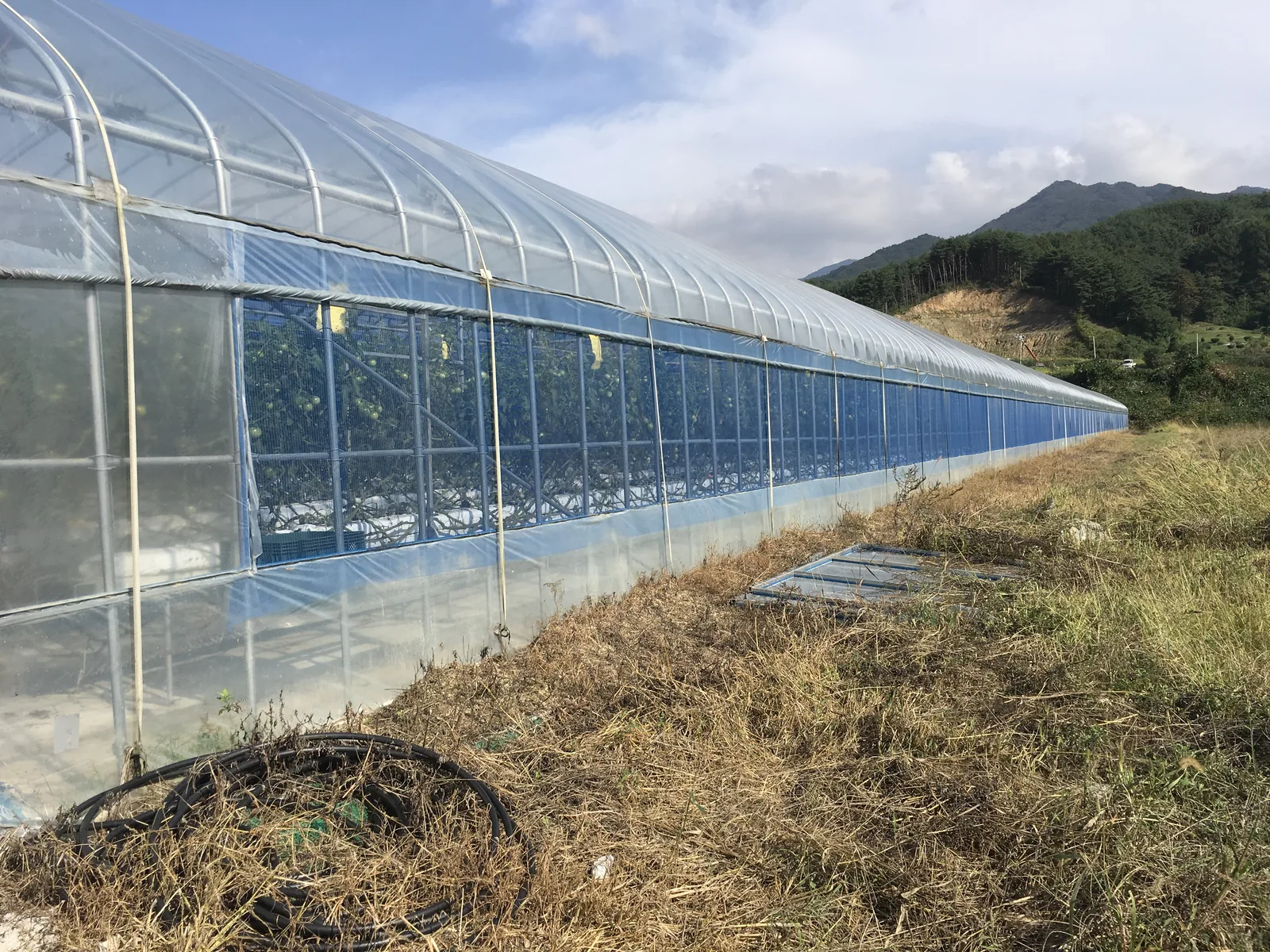
The conversation about greenhouse financing usually starts the same way. A grower has done the research, the market case is clear, and the production logic makes sense. The question that stops the process is how to pay for it.
The upfront investment in a commercial greenhouse is real. It’s also not as insurmountable as it looks, once you understand what financing tools are actually available to agricultural producers. The U.S. has an unusually robust set of programs specifically designed to help farmers invest in infrastructure, and a lot of eligible growers never tap into them.
Here’s a clear look at the main options.
USDA Farm Service Agency (FSA) Loans
The FSA is probably the most accessible starting point for farmers who don’t have an established lending relationship or who have credit history that makes commercial banks hesitant.
The Farm Ownership Loan program and the Farm Operating Loan program both cover agricultural infrastructure investments, including greenhouse structures. Interest rates are set below commercial rates, and the FSA is explicitly designed to serve producers who can’t get financing elsewhere.
Beginning farmers have priority access to a dedicated portion of FSA loan funds, which matters if you’re early in building your operation. There are also microloans for smaller projects that have a streamlined application process.
The limitation with FSA loans is the processing time. Applications can take several months, and the documentation requirements are thorough. Build the timeline into your planning if you’re going this route.
USDA EQIP and NRCS Programs
The Environmental Quality Incentives Program (EQIP), administered by the Natural Resources Conservation Service, is not a loan. It’s a cost-share payment that covers a portion of approved conservation practices, including high tunnel installation.
Unlike a loan, you don’t pay it back. The NRCS pays you after you install a qualifying structure and they verify the installation meets their standards. The tradeoff is that you fund the installation upfront and receive reimbursement afterward.
If you qualify, EQIP funding is one of the best tools available because it directly reduces the total investment you need to finance. Many growers use EQIP in combination with other financing: an FSA loan or operating line covers the installation, and the EQIP payment arrives to pay down that debt once the structure is verified.
USDA Value-Added Producer Grants (VAPG)
If your greenhouse operation involves processing, direct marketing, or adding value to agricultural products (fresh-cut herbs, packaged salad mixes, vine-ripened tomatoes sold through direct channels), the VAPG program is worth looking at.
These grants are competitive and require a strong application that demonstrates the market opportunity, but they’re specifically designed to help producers move up the value chain. A greenhouse that enables year-round production and direct-to-consumer or food-service sales fits this program’s intent well.
Agricultural Lenders and Farm Credit Institutions
Farm Credit is a network of lending institutions specifically chartered to serve agricultural producers. Unlike commercial banks, they understand farm economics and have loan products designed around agricultural income patterns, including seasonal income and multi-year payback periods.
Agricultural loans from Farm Credit institutions typically offer longer terms than commercial loans, which matters when you’re financing infrastructure with a multi-year payback period. The longer the loan term, the lower the annual debt service, which improves your cash flow during the years when the greenhouse is ramping up production.
If you have an existing relationship with a local agricultural lender, that’s often the fastest path to financing. Lenders who understand farming tend to be more comfortable with greenhouse investments than general commercial banks, which may not have a framework for evaluating agricultural infrastructure.
State and Local Programs
Many states have agricultural development programs that offer loans, grants, or loan guarantees for farm infrastructure investments. These vary enormously by state and change frequently, so the most reliable way to find what’s available in your area is to contact your state department of agriculture directly.
Some states have been particularly active in supporting greenhouse and controlled-environment agriculture development because of the economic development and food system resilience benefits. If you’re in a state that has made agricultural investment a priority, there may be programs that significantly change the financing math.
Structuring the Financing
A few principles that experienced greenhouse investors generally follow:
Match the loan term to the asset life. A greenhouse structure that will produce for 20 years shouldn’t be financed on a 5-year term if you can avoid it. Longer terms reduce annual payments and improve your operating cash flow during the critical first years of production.
Don’t finance operating costs with long-term debt. The structure can carry long-term financing. Seeds, supplies, labor, and other operating costs should be covered by operating lines of credit or cash flow, not the same loan that’s funding the building.
Model your cash flow with realistic production assumptions. First-season yields are lower than mature operation yields. First-season market relationships may pay less than established accounts. Build a model that shows you can service the debt even in a conservative production scenario.
Keep some reserve. Greenhouse equipment breaks. Plastic needs replacing. Having operating reserves that aren’t committed to debt service gives you the ability to handle the unexpected without a crisis.
The Practical Starting Point
If you’re ready to start thinking about financing a greenhouse, the most useful first step is usually a conversation with your local FSA office and your Farm Credit lender, if you have one. Both can give you a clear picture of what you qualify for and what the process looks like.
Simultaneously, getting a solid project estimate from a greenhouse supplier gives you the number you’re trying to finance. The clearer your project scope, the more concrete the financing conversation can be.
We’re happy to provide project estimates and help you understand what a complete installation would involve for your specific situation. Reach out to our team and we can start there.
What we build
The products behind this article
Want this sized for your farm?
Tell us your crop, your acreage and your state. An advisor comes back with the structure that fits your climate, within one business day. No obligation.
Keep reading