
 Guatemala
  México
  Perú
Perú  Costa Rica
  USA
USA Is a Greenhouse Worth It? ROI Analysis for American Farmers
Honest ROI analysis for greenhouse farming in the USA. Real numbers on costs, revenue, payback periods and which crops make the most financial sense.
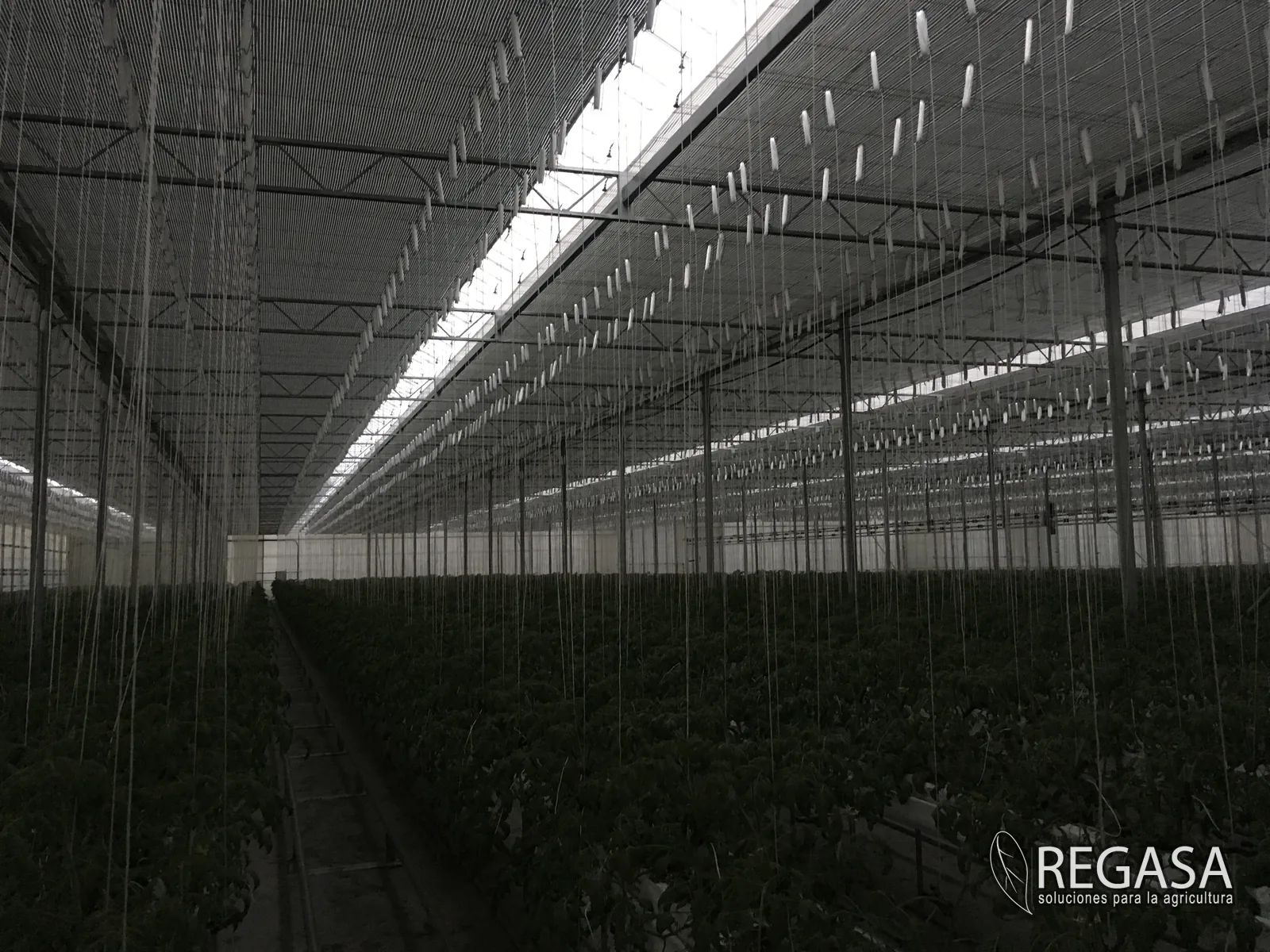
The question we get most often from American farmers considering greenhouse investment is simple: Is it actually worth it?
The honest answer: it depends on the crop, the market, and how the operation is managed. But for the right combination, greenhouses are among the highest-return investments in agriculture. Let’s look at the real numbers.
The Core Economics of Greenhouse Farming
A greenhouse doesn’t just grow crops, it changes the economics of farming in three fundamental ways:
1. Higher yield per acre Greenhouse tomatoes yield 20-110 lb/m² per year versus 4-18 lb/m² in field production. That’s 5-10x more output from the same land.
2. Year-round or extended production Field crops have a season. Greenhouses don’t. Selling tomatoes in January or strawberries in December means capturing prices when competition is scarce.
3. Better quality and consistency Controlled environments produce more uniform, higher-quality produce that commands premium prices and meets retailer specifications consistently.
Greenhouse Costs: What You’ll Actually Pay
Capital costs (one-time investment)
| Structure type | Cost per acre |
|---|---|
| Low multi-tunnel | $15,000 to $30,000 |
| High multi-tunnel | $30,000 to $60,000 |
| Standard greenhouse | $80,000 to $180,000 |
| Hybrid-R greenhouse | $100,000 to $220,000 |
| Technology greenhouse (Venlo-type) | $350,000 to $800,000 |
These figures include structure and covering only. Add irrigation system, fertigation, heating (if needed), and electrical for a complete picture.
Annual operating costs
| Item | Cost estimate/acre/year |
|---|---|
| Labor | $15,000 to $40,000 |
| Seeds and transplants | $2,000 to $8,000 |
| Fertilizers and pesticides | $3,000 to $12,000 |
| Energy (heating, cooling, lighting) | $5,000 to $25,000 |
| Plastic replacement (prorated) | $2,000 to $6,000 |
| Irrigation maintenance | $500 to $2,000 |
| Total annual operating costs | $27,500 to $93,000 |
ROI by Crop: The Real Numbers
Tomatoes (vine-ripened, greenhouse)
Assumptions: 1 acre greenhouse, premium market channel
- Annual yield: 100,000 to 200,000 lbs
- Farm gate price: $0.80 to $1.50/lb (wholesale), $2.00 to $3.50/lb (direct)
- Gross revenue: $80,000 to $700,000 (depending on market)
- Operating costs: $45,000 to $80,000
- Net profit: $35,000 to $620,000/acre/year
- Payback period: 1.5 to 4 years
Lettuce and leafy greens
Best returns in vertical or multi-layer systems. Fast-cycling crop (30-45 days) allows 8-10 harvests per year.
- Yield: 8-12 crops/year
- Price: $1.50 to $4.00/head (retail)
- Payback period: 2 to 3 years
Cucumbers (English/European type)
High demand in premium grocery channels. Greenhouse cucumbers command significant premium over field cucumbers.
- Annual yield: 80,000 to 130,000 lbs/acre
- Farm gate: $0.60 to $1.20/lb
- Payback period: 2 to 3 years
Herbs (basil, cilantro, mint)
Highest revenue per square foot but most labor-intensive. Strong direct-to-consumer market.
- Price: $3.00 to $8.00/bunch
- Payback period: 1 to 2 years (with right market)
Strawberries (high tunnel)
Excellent returns especially for direct market sales.
- Yield: 20,000 to 35,000 lbs/acre
- Farm gate: $2.50 to $5.00/lb
- Payback period: 2 to 3 years
When Greenhouses DON’T Make Financial Sense
Be honest with yourself about these scenarios where greenhouses often don’t pencil out:
- Low-value commodity crops (corn, soybeans, wheat): the premium isn’t enough
- No premium market access: if you’re selling to the same wholesale channel as field growers, the added cost eats your margin
- Inadequate management experience: greenhouse production has a steep learning curve
- Undercapitalized starts: cutting corners on structure or irrigation creates expensive problems later
The Market Question: Most Important Factor
The structure is the easy part. The hard question is: who will buy your produce and at what price?
Best market channels for greenhouse produce, in order of profitability:
- Direct-to-consumer (farmers markets, CSA, on-farm store)
- Local restaurants and food service
- Premium grocery (Whole Foods, local co-ops)
- Regional distributors
- National wholesale (lowest margin, highest volume requirements)
REGASA’s Multi-Tunnel: The Smart Entry Point
If you’re new to covered production, we recommend starting with a REGASA multi-tunnel rather than a full greenhouse. Reasons:
- Lower capital risk: test the market before committing $300K+
- Faster setup: operational in days, not weeks
- Proven ROI: most of our customers pay back the tunnel cost in 2-3 seasons
- Upgradeable: add heating, irrigation, and automation over time
Ready to run the numbers for your operation? Contact REGASA and we’ll build a detailed financial model based on your crop, market, and location. No obligation, no pressure, just real numbers.
What we build
The products behind this article
Want this sized for your farm?
Tell us your crop, your acreage and your state. An advisor comes back with the structure that fits your climate, within one business day. No obligation.
Keep reading