 Guatemala
  México
  Perú
Perú  Costa Rica
  USA
USA NRCS High Tunnel Grant: How American Farmers Are Getting Structures Paid For
The USDA NRCS EQIP High Tunnel Initiative helps qualifying farmers cover installation. What the program actually covers and how to apply.
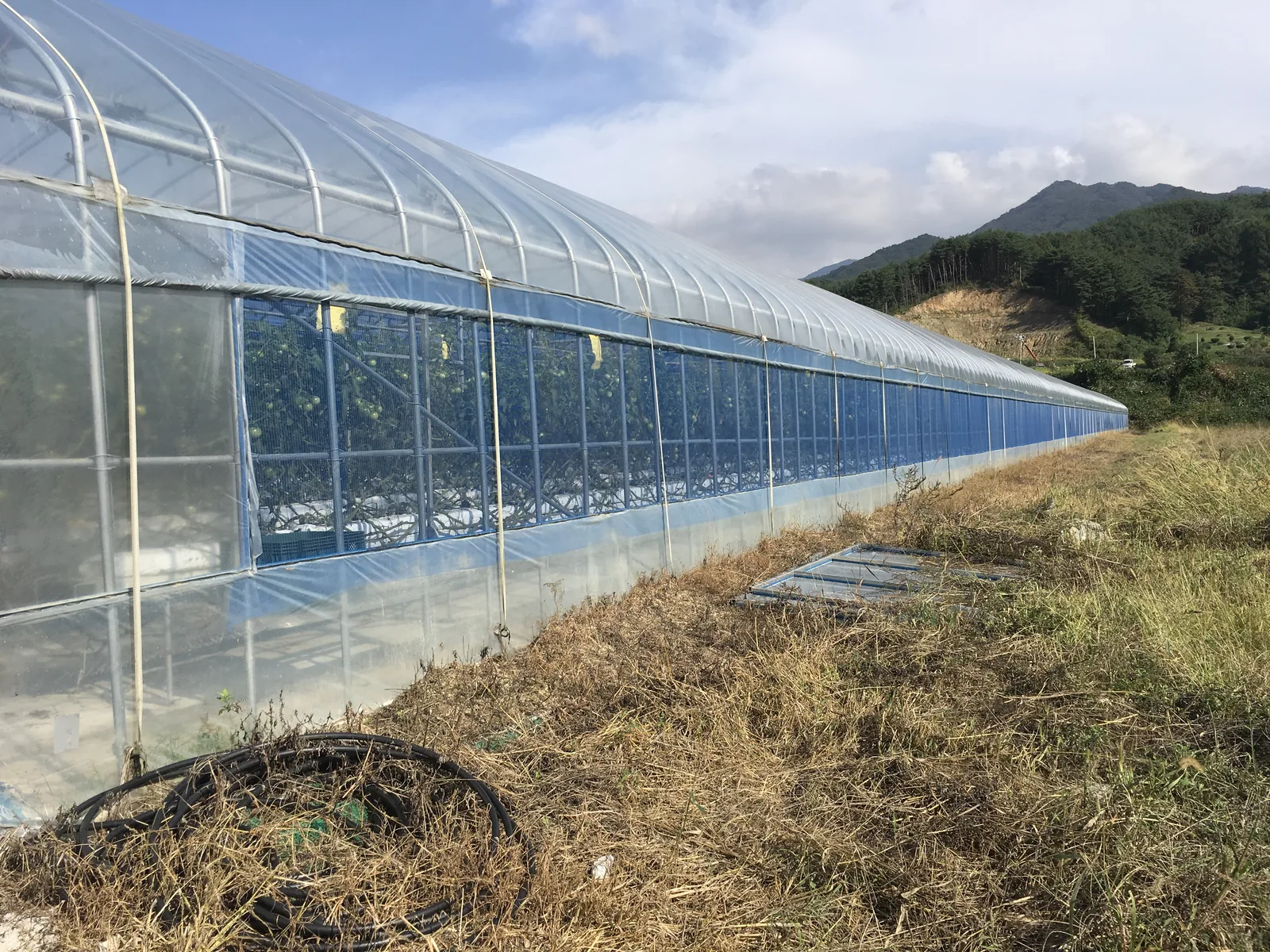
Most farmers who look into protected agriculture eventually run into the same number: the upfront investment in a structure. It’s real, and it’s not small. What fewer farmers realize is that the USDA has a program specifically designed to reduce that barrier, and a lot of operations that qualify for it never apply.
The NRCS High Tunnel Initiative is part of the Environmental Quality Incentives Program (EQIP), and it’s been paying for a substantial portion of high tunnel installation costs for qualifying growers for years. If you’re considering a tunnel structure and haven’t looked at this program, it’s worth a serious look before you make any financial decisions.
What the Program Actually Covers
The NRCS High Tunnel Initiative is a practice under EQIP (Practice Standard 325) that helps farmers install high tunnels for season extension. The program recognizes that growing season limitations are an environmental and economic challenge, and it treats high tunnel installation as a conservation practice worth supporting.
Coverage amounts vary by state and by the size of your operation, but qualifying producers have received payments covering a meaningful portion of their total installation costs. The program has helped operations from small market gardens to larger commercial farms.
The payment is based on the square footage of tunnel installed, and there are limits per application on how much coverage you can receive. Your local NRCS office can tell you the current payment rates for your state, since they’re updated annually and vary by county.
Who Qualifies
The program is open to agricultural producers who meet a few basic requirements:
You need to be operating a farm or ranch, which is broadly defined. Beginning farmers often have priority access to EQIP funds, and there are dedicated pools of funding for socially disadvantaged producers as well.
Your tunnel installation needs to meet the NRCS Practice Standard 325 requirements. This means the structure has to be designed for crop production and season extension, not storage or other uses. The covering material, ventilation, and anchoring all need to meet specified standards.
There are also income eligibility limits. If your adjusted gross income is above a certain threshold (currently $900,000, though this can change), you may not qualify.
The single most important step is talking to your local NRCS office early. Don’t assume you qualify or don’t qualify until you’ve had that conversation.
The Application Process
EQIP applications are accepted on a rolling basis in most states, and funds are awarded competitively based on a ranking system that considers the environmental and agricultural benefits of your project. Applying earlier in the cycle generally gives you a better shot at funding in the current fiscal year.
Here’s the general process:
You contact your local NRCS office and request a farm visit. An NRCS representative will come to your farm, assess your situation, and help you understand what practices you might qualify for under EQIP.
If high tunnels are a good fit, they’ll help you complete an application. The application asks for basic information about your operation, your planned tunnel size and location, and your intended crop production.
If your application is ranked and funded, you’ll receive a contract that specifies what you need to install, the timeline for installation, and the payment amount you’ll receive upon completion and verification.
You then work with a supplier to purchase and install the structure that meets NRCS standards. After installation, an NRCS representative verifies that the work was done correctly, and you receive your payment.
The whole process from application to approval typically takes several months, so if you’re planning to install in spring, you’ll want to start the application the previous fall.
A Few Things to Know Before You Apply
The payment comes after installation, not before. You need to be able to fund the structure upfront and receive reimbursement. Some producers use farm operating loans to bridge this gap.
The program specifies what your tunnel needs to look like but is generally flexible about which supplier you use. Working with a supplier who is familiar with NRCS Practice Standard 325 requirements will make verification smoother.
Not every state funds high tunnels at the same level. Some states have made this a priority practice and have more funding available. Others are more competitive. Your local NRCS office is the only reliable source for current information on your state’s funding situation.
Using the Program to Scale
Some growers have used NRCS funding strategically to build out their protected agriculture operation incrementally. They apply for one round of tunnels, get the grant, produce a successful crop, then apply again for the next expansion. It’s a slower path than building everything at once, but it significantly reduces the financial risk of getting into protected agriculture.
If your goal is to eventually have a larger greenhouse operation, starting with NRCS-funded tunnels is a legitimate way to test your market, build your team’s experience, and generate the cash flow that justifies the next phase.
What to Do Next
If you haven’t already, contact your local USDA Service Center and ask to speak with an NRCS representative about EQIP and the High Tunnel Initiative. Bring a general idea of how much tunnel area you’re considering and what crops you plan to grow. That’s enough to start the conversation.
When you’re ready to talk about the structure itself, we’re here. We’ve worked with growers who are using NRCS funding and understand how to make sure the installation meets program requirements. Feel free to reach out.
What we build
The products behind this article
Want this sized for your farm?
Tell us your crop, your acreage and your state. An advisor comes back with the structure that fits your climate, within one business day. No obligation.
Keep reading