
 Guatemala
  México
  Perú
Perú  Costa Rica
  USA
USA Raspberry and Blackberry Tunnel Production: What Cane Berry Growers Need to Know
Tunnel production for raspberries and blackberries is growing fast in the U.S. Why it works, what it requires, and whether it fits your operation.
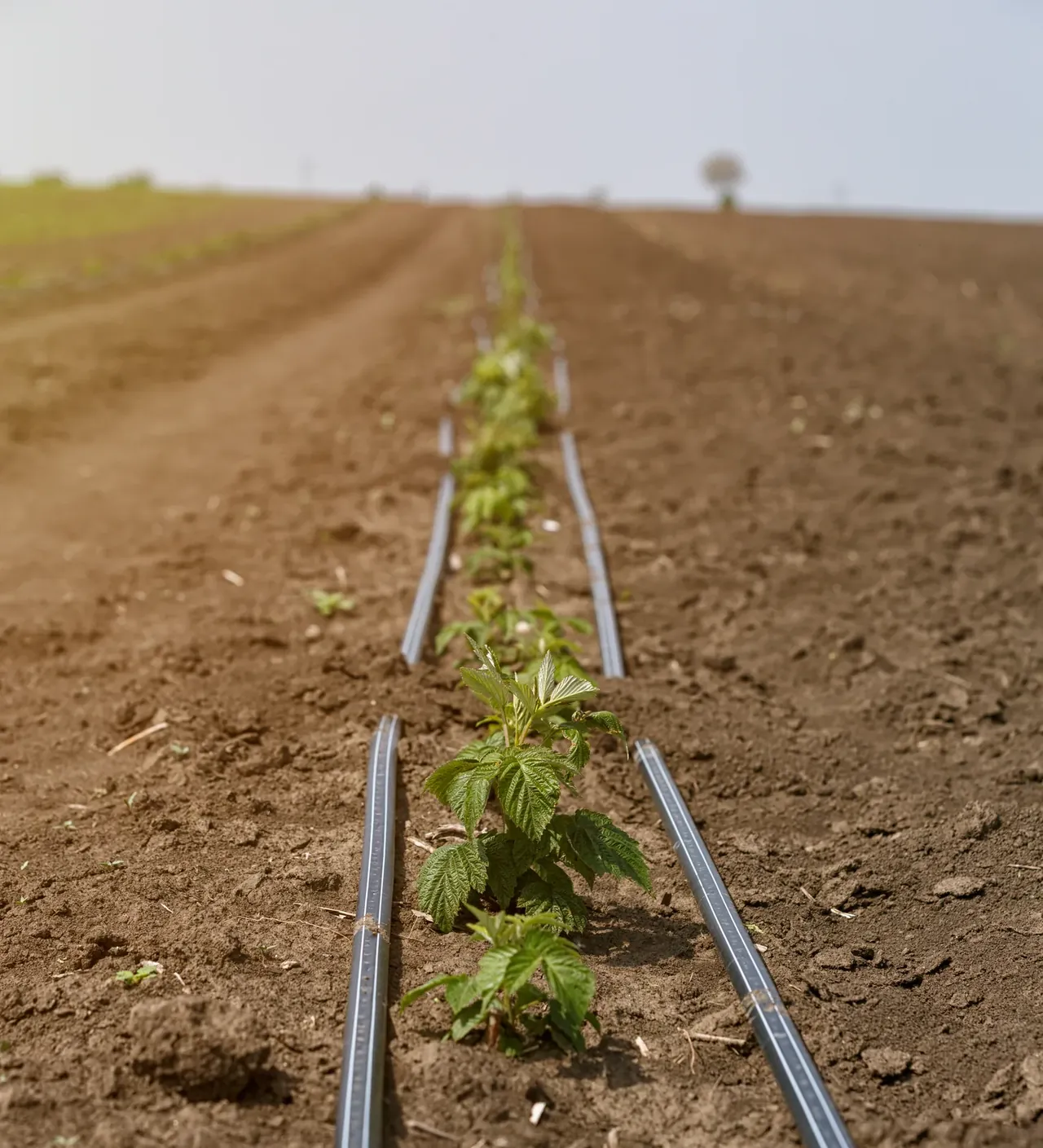
Cane berries have a reputation for being finicky. Raspberries especially are sensitive to rain at harvest, prone to botrytis in wet conditions, and challenged by heat spikes during fruit development. Growers in the Pacific Northwest, where most domestic raspberries are produced, have learned to accept significant weather-related losses as part of doing business.
That calculus changes significantly with tunnel production.
The countries that dominate premium raspberry and blackberry supply globally, particularly Mexico and parts of Europe, are not growing their export-quality fruit in open fields. They’re growing it under cover. The quality consistency and season extension that tunnels provide is a large part of why their product commands the prices it does in export markets.
U.S. growers who have moved their cane berry production under tunnels are finding that the same dynamics apply here.
The Rain Problem and Why It Matters So Much
If you grow raspberries or blackberries, you already know what happens when rain hits ripe fruit. Raspberries are particularly vulnerable because of their structure. Water sits in the drupelets, promotes mold, and compromises the fruit within hours. A berry that looks fine coming off the cane can be unsellable by the time it reaches the packing shed if it was rained on during harvest.
For fresh market cane berry production, rain exclusion is not a nice-to-have. It’s the difference between a marketable crop and a field of culls.
A tunnel that keeps rain off the fruit during the harvest window protects the quality of every berry your crew picks. The fruit is firmer, cleaner, and has better shelf life. Buyers notice. Premium market access, whether that’s a grocery chain, a food service account, or a farmers market customer who comes back every week, is built on that consistency.
Season Extension on Both Ends
Cane berry tunnels do more than keep rain off the fruit. They change the temperature regime around the plants in ways that affect the timing of the entire production cycle.
In spring, the soil and air inside the tunnel warm faster than outside. Raspberries and blackberries break dormancy earlier, flower earlier, and set fruit earlier. Depending on your location and variety, early-season advancement of two to four weeks is realistic.
In fall, the tunnel buffers against the temperature drops and moisture events that end the outdoor season. Late-season varieties that would otherwise be killed by an early frost can continue producing for several additional weeks.
For operations in the Pacific Northwest and Upper Midwest, where the outdoor cane berry season is already short, this extension on both ends can meaningfully change the economics of the crop.
Variety Selection Under Tunnels
This is one area where getting advice specific to tunnel production matters.
Some cane berry varieties were bred for open-field conditions and respond differently to the modified microclimate inside a tunnel. Floricane varieties (which produce on second-year canes) and primocane varieties (which produce on first-year canes) have different management requirements in tunnel systems.
Primocane raspberries are particularly popular in tunnel systems because they can be managed for a single annual production cycle, which simplifies the structure management. The tunnel is closed during the production period and can be opened or removed after harvest to allow the next year’s canes to develop.
Work with your extension service or a specialist in cane berry production before selecting varieties for a tunnel system. The right variety in the right system for your climate can make a substantial difference in how the production performs.
Structure Design for Cane Berries
The structure height and width for cane berry tunnels needs to match the plant architecture. Raspberries trained on a trellis system inside a tunnel need enough headroom to accommodate mature cane height plus training wires. Blackberries, which are more vigorous, need even more vertical space.
Ventilation management is important for cane berries because humidity control matters for disease prevention. Even though rain exclusion reduces one source of moisture, the closed environment inside the tunnel can create humidity conditions that favor botrytis if airflow isn’t managed well. Tunnels with good end-wall ventilation and side roll-up capacity give you the control you need.
Row orientation and spacing inside the tunnel should be planned before installation so the structure dimensions match your intended bed layout. Retrofitting a tunnel design to a planting layout that wasn’t planned for it is harder than getting it right from the start.
Managing Disease in a Covered Environment
Rain exclusion reduces the primary infection pathway for many cane berry diseases, but it doesn’t eliminate disease pressure entirely. The humidity inside a tunnel during fruiting, when large amounts of moisture are transpiring from the canopy, can support botrytis outbreaks if airflow is inadequate.
Scout regularly. Botrytis shows up first on the fruit as gray mold, and early intervention is much more effective than trying to manage a widespread outbreak. Keep the canopy as open as possible through pruning and training to allow airflow through the fruit zone.
The other disease to watch is cane blight and various fungal cane diseases that can build up in perennial plantings. Good sanitation practices, including removing infected canes promptly and not leaving debris on the ground, matter as much in a tunnel as in the open field.
Is Tunnel Production Right for Your Cane Berry Operation?
The clearest case for tunnel production is for fresh market growers who are losing quality to rain during harvest. If weather-related losses are a recurring problem and your market rewards quality, the argument is straightforward.
For processing market production, where the quality standards are different and the premium for perfect fruit is smaller, the calculation is less clear. The economics need to work with your specific market and production costs.
Operations in regions with predictable dry harvest weather, like some parts of California and the Southwest, may see less benefit from rain exclusion specifically, though season extension and temperature management still have value in those climates.
The most useful starting point is an honest assessment of where your current operation loses value during the production cycle. If the answer involves weather, rain, or a season that ends earlier than your market would support, tunnels are worth a serious look.
We work with berry producers across Latin America and are bringing that experience to growers in the U.S. If you want to talk through what tunnel production would look like for your cane berry operation, reach out to our team.
What we build
The products behind this article
Want this sized for your farm?
Tell us your crop, your acreage and your state. An advisor comes back with the structure that fits your climate, within one business day. No obligation.
Keep reading