
 Guatemala
  México
  Perú
Perú  Costa Rica
  USA
USA Greenhouse Film & Plastic Covering
UV-stabilized, multi-layer polyethylene film for greenhouses, high tunnels and hoop houses. Light diffusion, anti-drip and heat retention in a single cover that lasts multiple seasons and protects your investment.
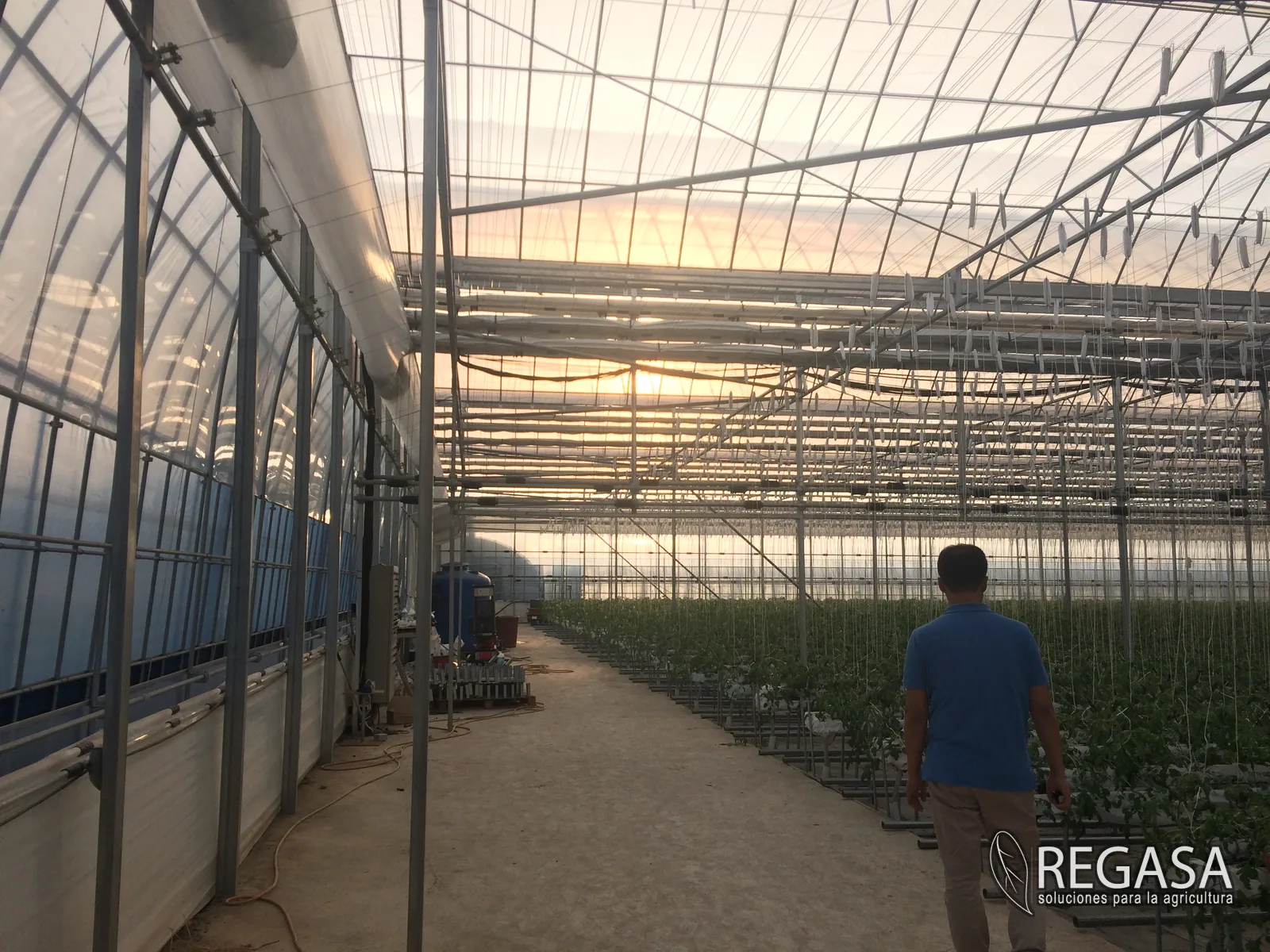
The cover is half the greenhouse
The plastic film is what turns a steel frame into a controlled environment. A good greenhouse film does far more than keep the rain out: it spreads light evenly over the crop, stops water from dripping onto the leaves, and holds night heat inside so the temperature stays stable. The wrong film cracks in a season and drags your yield down with it.
Our greenhouse films are co-extruded in three or more layers, each with a job: UV stabilizers for a long service life, additives for light diffusion, an anti-drip surface, and a thermic layer that keeps warmth in overnight. We match the right film to your structure, your crop and your climate.
Where it is used
What a professional film gives you
Every layer and additive is there for a reason. This is what separates a real greenhouse film from a generic sheet of plastic.
UV stabilization, long service life
UV additives slow down sun damage, so the film lasts multiple seasons instead of cracking in one.
Light diffusion for an even crop
Diffused light reaches the lower leaves and removes hard shadows, giving uniform growth and less sunscald.
Anti-drip (anti-condensate)
The surface makes water run down the sides instead of dripping onto the plant, cutting fungus and disease.
Thermic: holds night heat
The thermic layer blocks infrared heat loss, keeps the greenhouse warmer at night and protects against frost.
Stronger and more tear-resistant
The multi-layer design stands up better to wind, handling and tension on the frame without tearing.
Options tailored to the crop
Clear, diffused, thermic or anti-virus: we pick the additive mix your crop and climate need.
Film technologies
There is no single best film. The right one is a combination of properties chosen for your structure, crop and weather.
Diffused film
Spreads light in all directions to remove shadows and burns. Ideal for tall and leafy crops where uniformity matters most.
Thermic film
Retains infrared heat for cold climates or cool nights, reduces frost and stabilizes overnight temperature.
Anti-virus (UV block)
Blocks part of the UV spectrum some insects use to navigate, helping reduce pest pressure and virus.
Clear film
Maximum direct light transmission for low-radiation climates or when you want the most light possible.
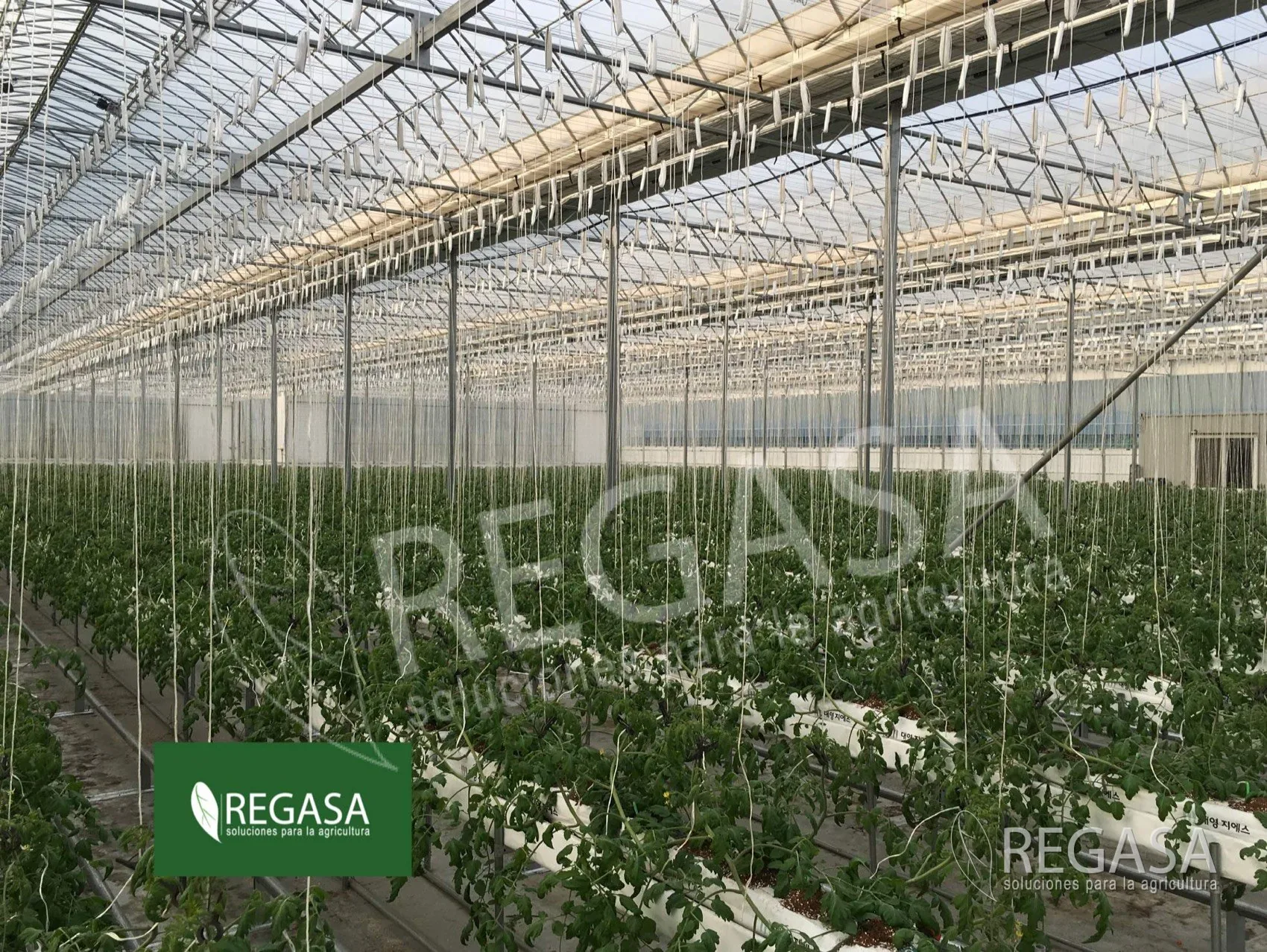
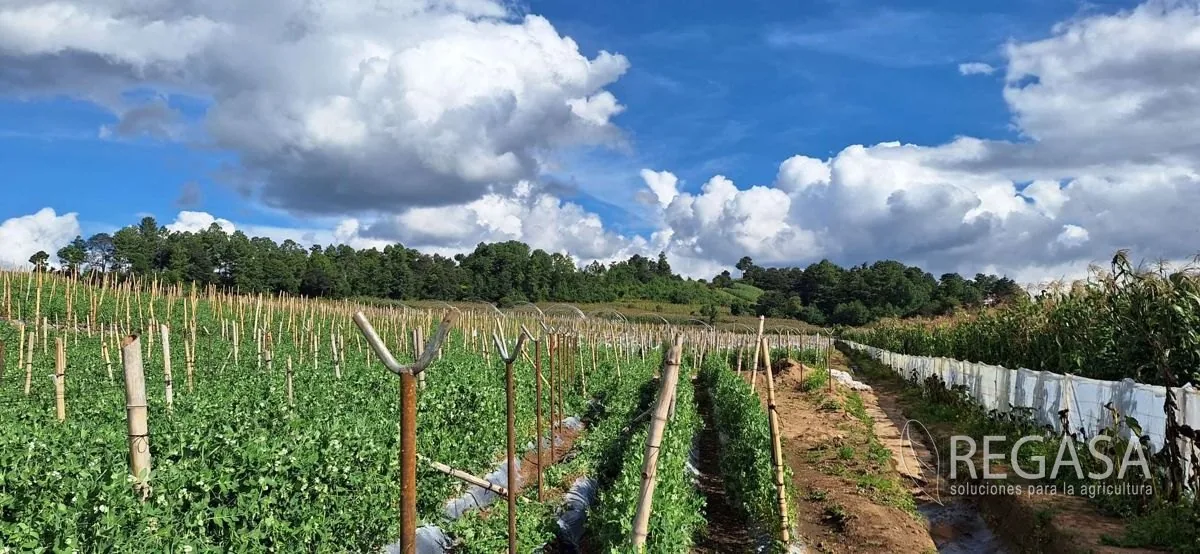
Film in the field
Frequently Asked Questions
How long does greenhouse film last?
What film thickness do I need?
What is the thermic effect and anti-drip?
Is diffused light better than direct light?
Do you help me choose the right film?
Get the right cover for your greenhouse
Tell us your structure, your crop and your climate, and we will recommend and quote the exact film your project needs.
Request Free QuoteTwo minutes, three fields
Tell us what you grow and where
That is enough for an advisor to come back with something useful: the structure that fits your climate, what it involves, and what to plan for. No obligation.