
 Guatemala
  México
  Perú
Perú  Costa Rica
  USA
USA Greenhouse Ventilation & Cooling
A greenhouse without ventilation cooks the crop. Natural roll-up curtains, exhaust fans and evaporative cooling pads keep the temperature and humidity in the range your plants need, so you can grow through the heat instead of losing to it.
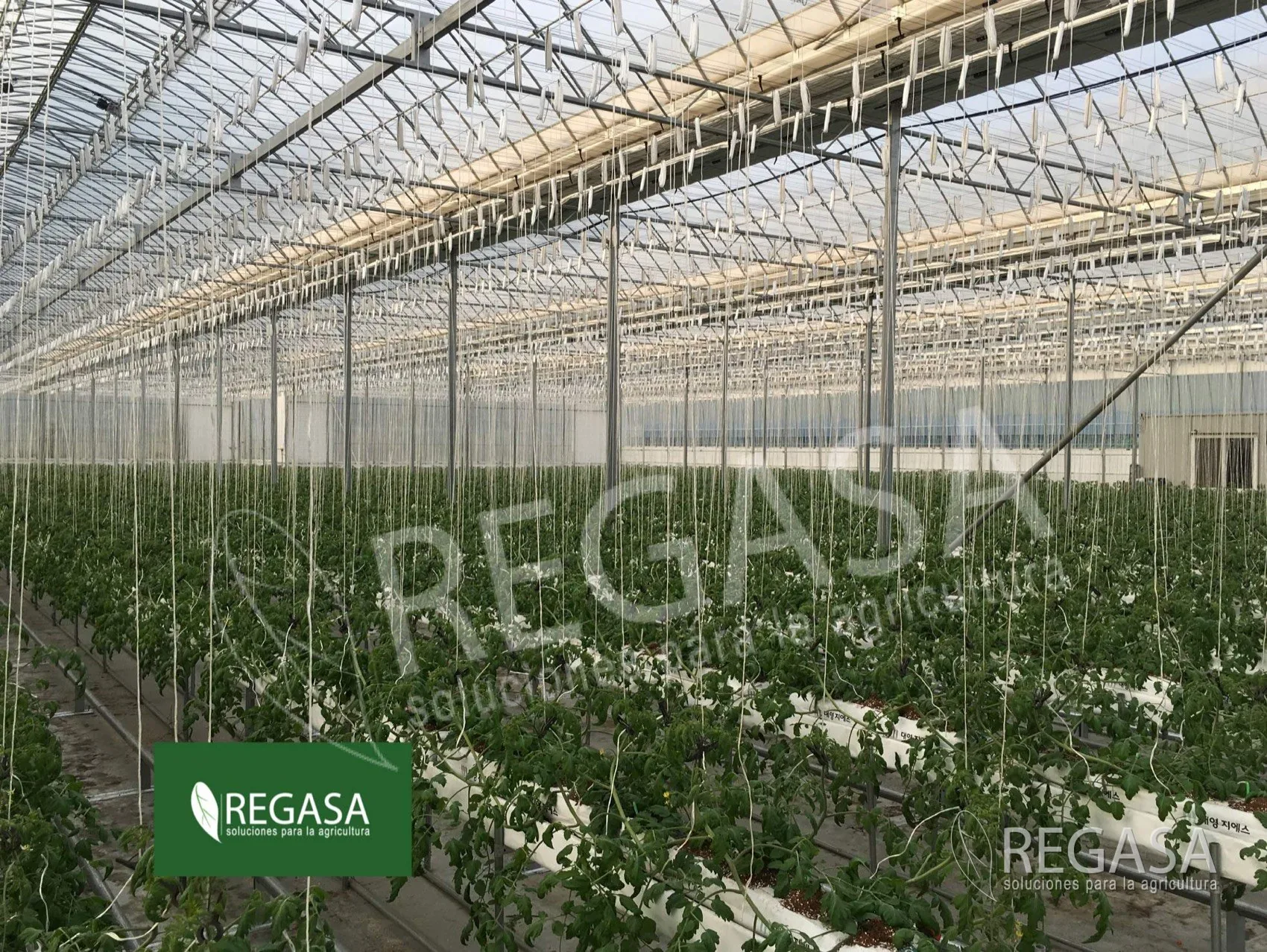
Ventilation is climate control
Inside a closed greenhouse the sun pushes the temperature far above the outside air, and the crop breathes out moisture all day. Without a way to move that heat and humidity out, you get heat stress, condensation and disease. Ventilation is how you take control: it swaps hot, damp air for fresh air, and holds the climate in the range where the crop actually grows.
There are three tools, and most greenhouses use a combination. Natural ventilation moves air for free with roll-up curtains and roof vents. Forced ventilation uses exhaust fans to pull air through on demand. Evaporative cooling adds a wet pad wall that drops the incoming air several degrees. We size the right mix for your structure, your crop and your climate.
Where it applies
What good ventilation does for the crop
Temperature is only half the story. A well-ventilated greenhouse also controls humidity, disease and air quality.
Controls temperature in peak heat
Removes built-up heat and, with evaporative cooling, drops the incoming air by several degrees.
Lowers humidity, cuts disease
Refreshing the air prevents condensation and excess humidity, the number-one cause of fungus and foliar disease.
Fresh air: more CO2 for photosynthesis
Air exchange replaces the CO2 the plant consumes, which sustains photosynthesis and growth.
Uniform climate across the house
Circulation fans prevent hot spots and humidity pockets, for a uniform crop end to end.
Less stress, more yield
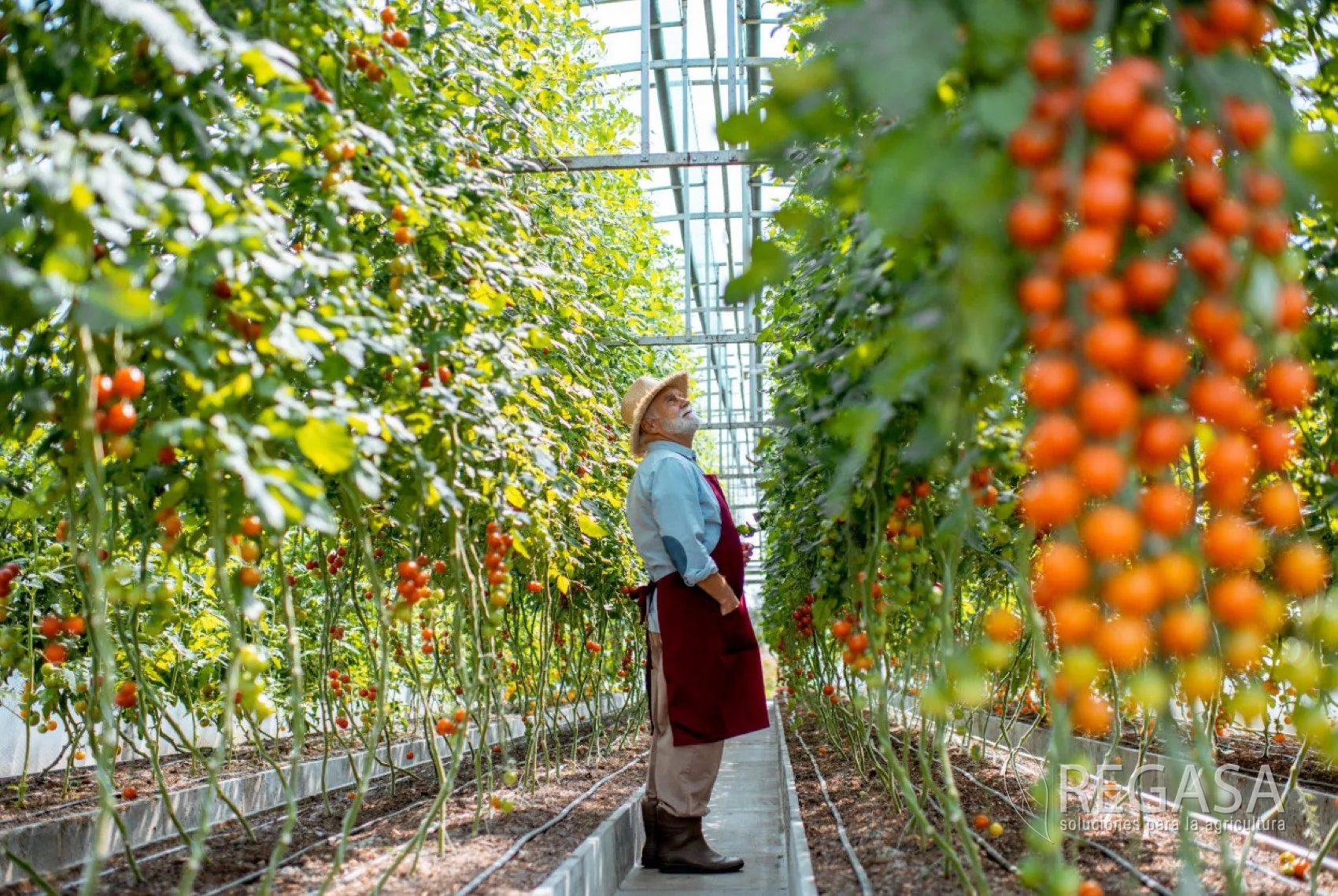
A plant that avoids heat shock sets fruit better and yields more. A stable climate pays for itself at harvest.
Natural ventilation, no energy cost
Roll-up curtains and roof vents ventilate using the wind and rising hot air, with no electricity cost.
The three ways to ventilate
Each method solves a different part of the problem. The best result usually comes from combining them.
Natural ventilation
Roll-up side curtains and roof (ridge) vents that let rising hot air out and fresh air in. The cheapest to operate, ideal for temperate climates. Combines with insect netting to keep pests out.
Forced ventilation (exhaust fans)
Exhaust fans that pull air through the greenhouse on demand, plus circulation (HAF) fans that move air between the plants. Essential when climate or house size make natural airflow alone insufficient.
Evaporative cooling (pad & fan)
A wall of wetted pads at one end and exhaust fans at the other: incoming air passes through the water and cools by several degrees. The most effective way to drop temperature in hot, dry climates.
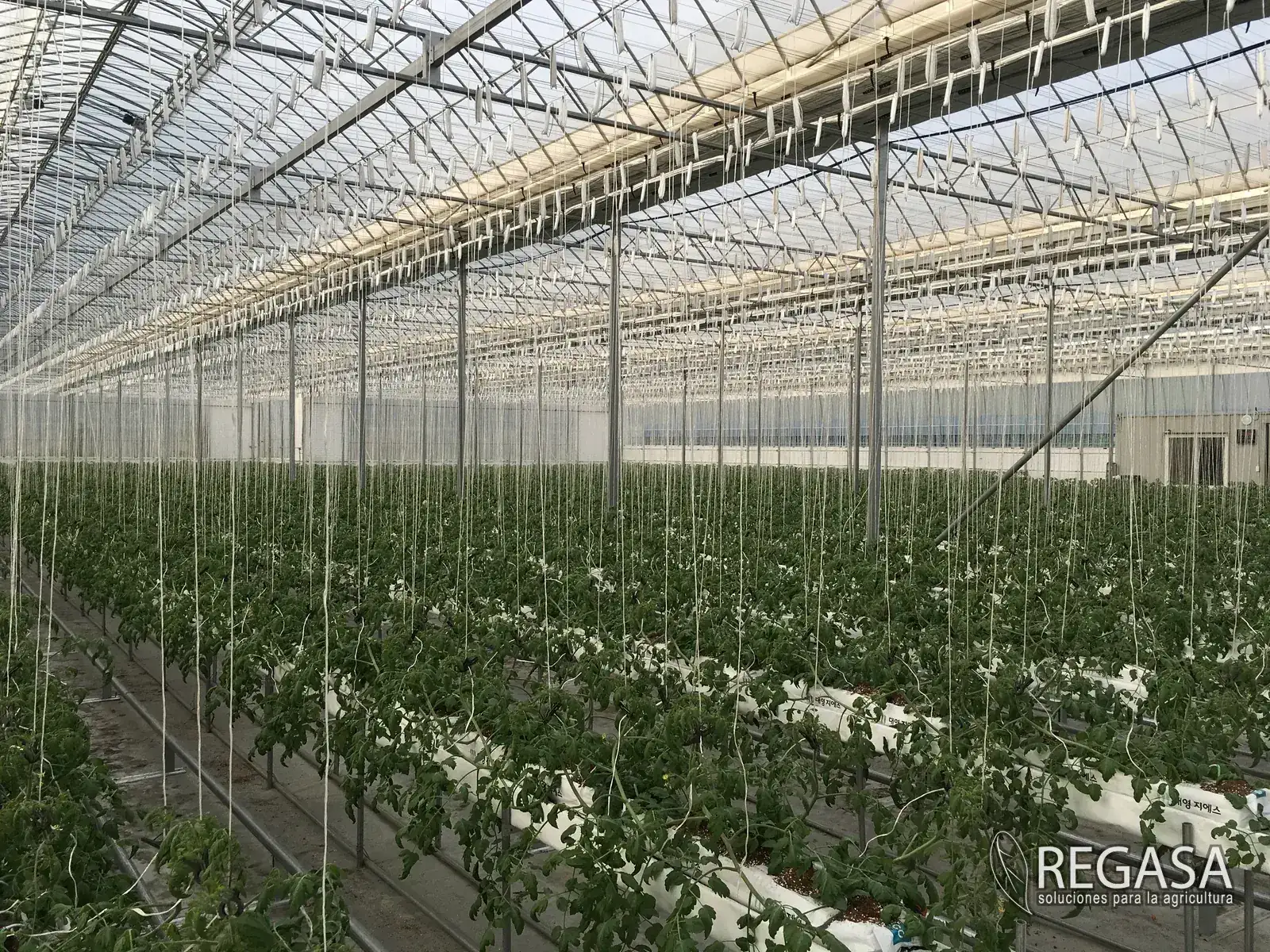
Climate under control
Frequently Asked Questions
What type of ventilation does my greenhouse need?
How does evaporative cooling work?
Does ventilation help against disease?
Can I ventilate without letting pests in?
Do you help design the ventilation system?
Keep your greenhouse in the right climate
Tell us your structure, your crop and your climate, and we will design and quote the ventilation and cooling system your greenhouse needs.
Request Free QuoteTwo minutes, three fields
Tell us what you grow and where
That is enough for an advisor to come back with something useful: the structure that fits your climate, what it involves, and what to plan for. No obligation.