
 Guatemala
  México
  Perú
Perú  Costa Rica
  USA
USA Insect Netting & Anti-Aphid Mesh
A physical barrier against aphids, whitefly and thrips, the insects that carry crop viruses. Screen your greenhouse vents or cover the crop directly, keep the pests out and cut the pesticides you have to spray.
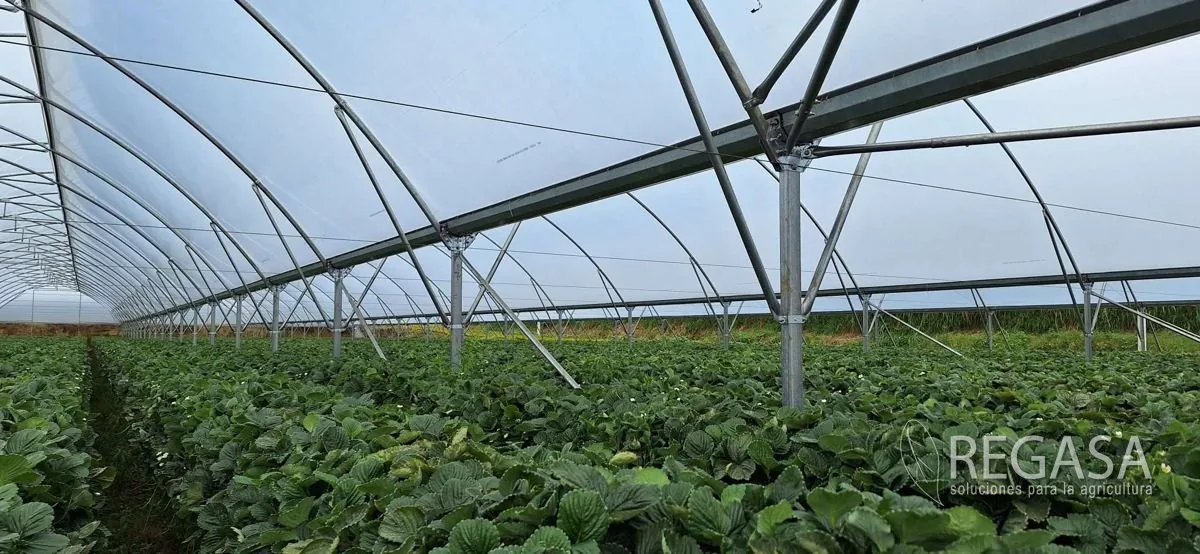
Keep the vectors off the crop
Most of the viruses that wreck a tomato or pepper crop do not travel on their own: they ride in on aphids, whitefly and thrips. Insect netting is the simplest, most reliable way to stop them. It is a woven mesh with a hole size small enough to physically block the insect, while still letting air and light through.
The finer the mesh (more threads per inch, or lower hole size), the smaller the insect it stops. Use it to screen the vents and openings of a greenhouse, to build a full screen house, or to cover the crop directly in the open field. Less pest means less virus, fewer sprays and a cleaner, export-grade harvest.
Where it is used
Why growers use insect netting
One roll of mesh solves the two most expensive problems in warm-season horticulture: the pests and the virus they carry.
Barrier against aphids, whitefly and thrips
The mesh physically blocks the insects that spread virus to tomato, pepper and other vegetables.
Fewer pesticides, lower residues
Fewer pests means fewer sprays, key to meeting residue limits and exporting.
Lets air and light through
Unlike a closed plastic, the mesh ventilates the crop and stops heat from building up.
Protects from sun, light hail and birds
The cover softens intense radiation, light hail, wind and bird damage.
Versatile: greenhouse, screen house or field
Use it to screen greenhouse vents, build a full screen house or cover the crop directly in the field.
Long life with UV stabilization
Professional mesh carries UV protection to withstand the sun for several seasons without breaking down.
Choosing the right mesh
The density of the net, measured by threads per inch or hole size, decides which pest it stops. There is no universal mesh: there is the right one for your pest and your climate.
Anti-aphid mesh
Density made to block aphids and whitefly, the main virus vectors in vegetables. The most common balance between protection and ventilation.
Anti-thrips mesh
A finer mesh to block very small insects like thrips. Gives maximum exclusion, with a little less airflow.
Anti-hail / shade combo
Meshes that also soften hail or add shade. Many projects combine insect exclusion on the sides with some shade on top.
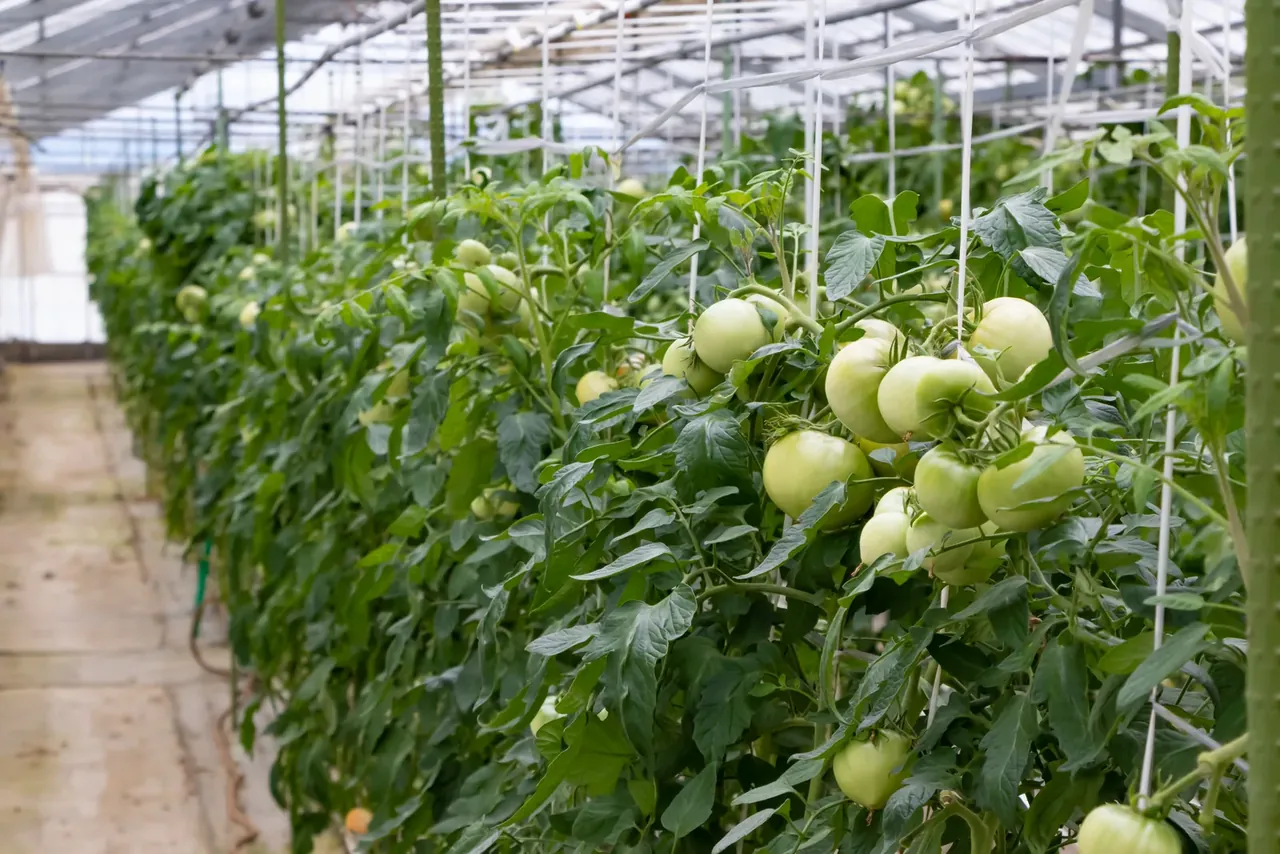
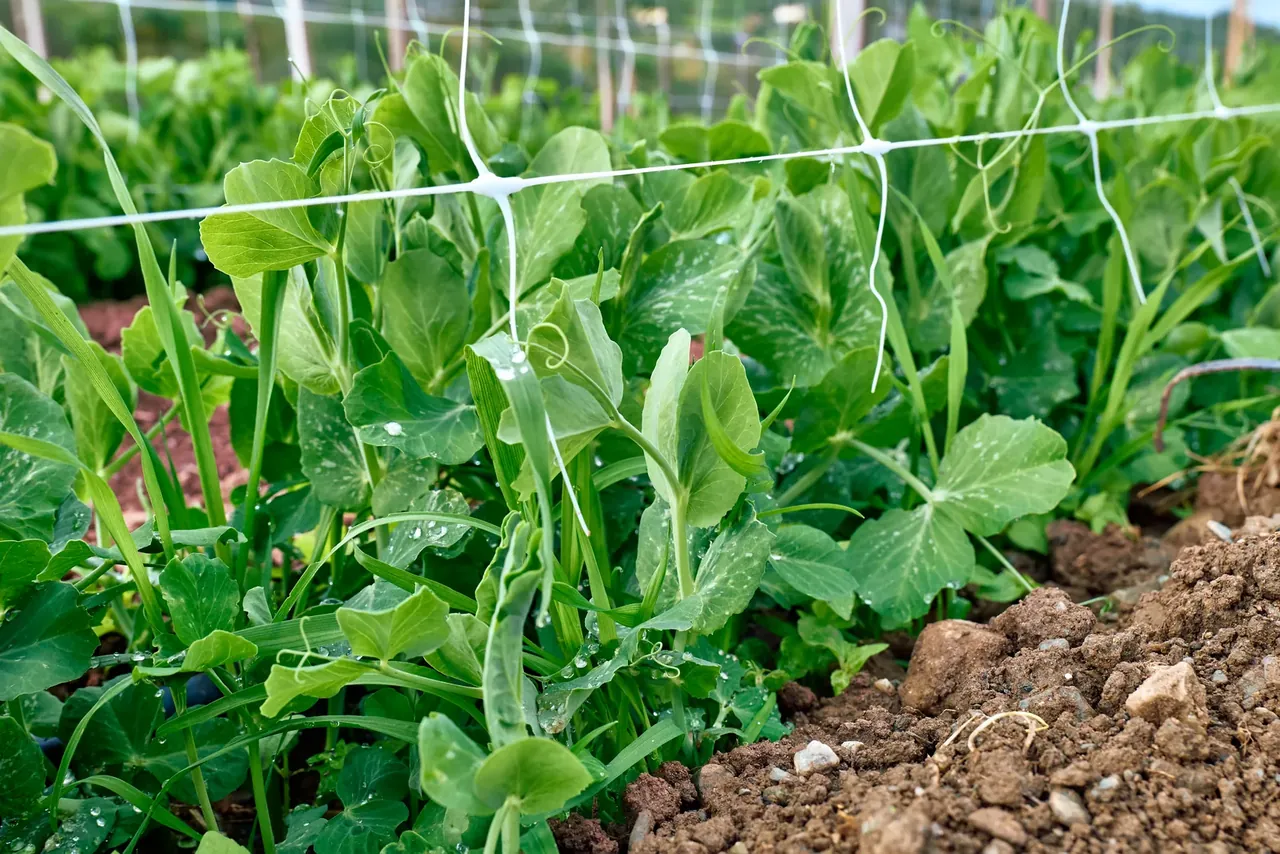
Protected crops
Frequently Asked Questions
What is the difference between insect netting and a screen house?
Which pests does the mesh stop?
Does the mesh reduce pesticide use?
Can the mesh be placed directly over the crop?
Do you help me choose the right mesh?
Keep the pests out with the right mesh
Tell us your crop, your climate and the pest you want to keep out, and we will recommend and quote the exact netting your project needs.
Request Free QuoteTwo minutes, three fields
Tell us what you grow and where
That is enough for an advisor to come back with something useful: the structure that fits your climate, what it involves, and what to plan for. No obligation.