
 Guatemala
  México
  Perú
Perú  Costa Rica
  USA
USA Greenhouse for Nursery Stock Growing
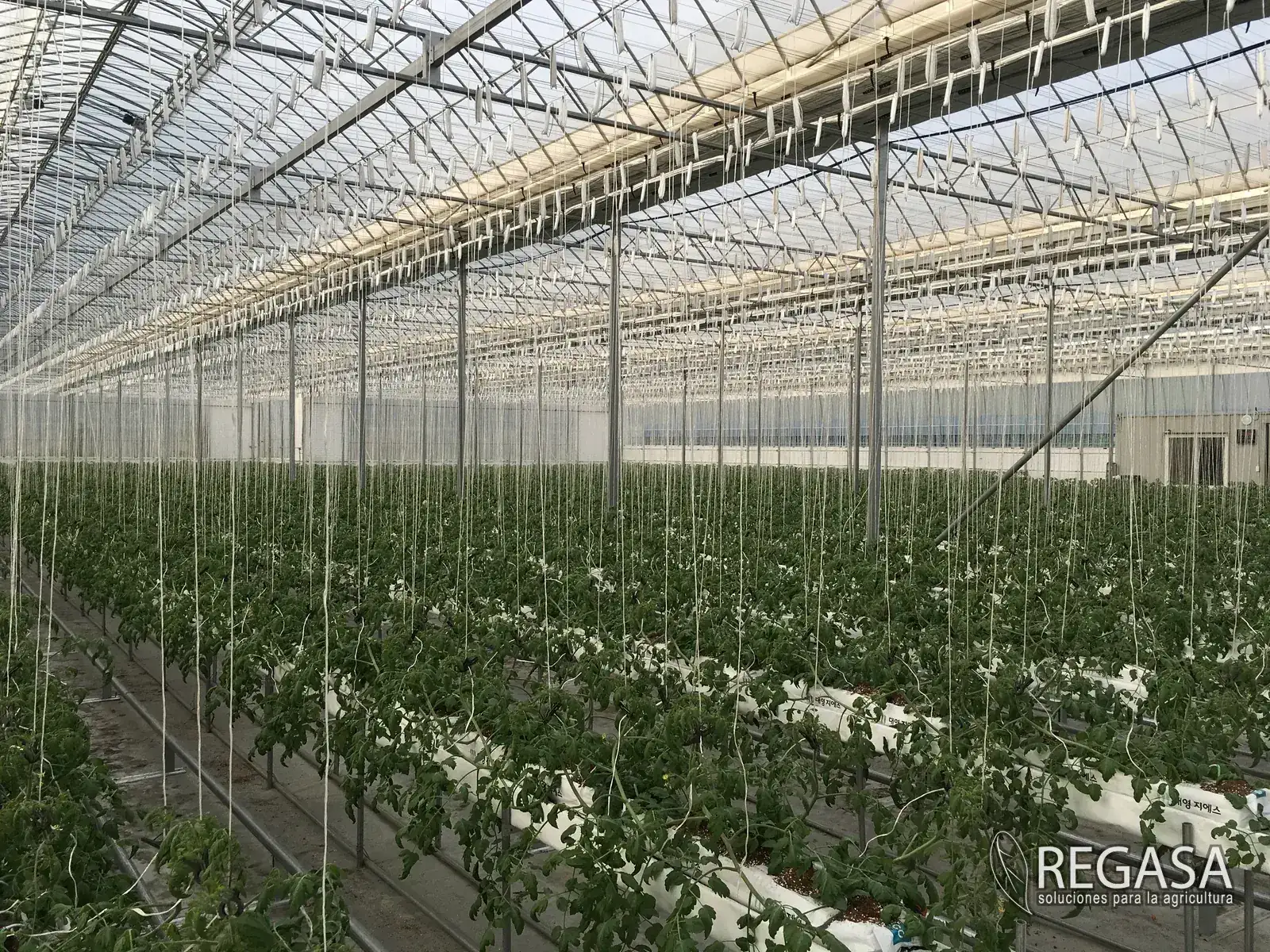
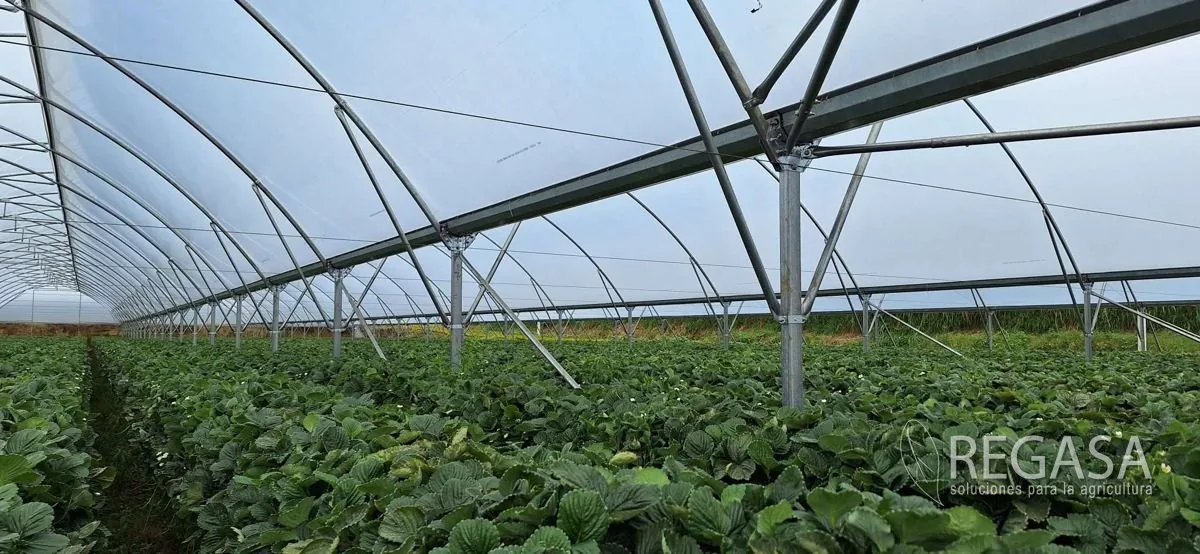
Greenhouse transplant production is the first link in the agricultural quality chain, a healthy, uniform, pathogen-free transplant determines the success or failure of an entire field season. A greenhouse controls temperature, humidity and sanitation during the first critical weeks of plant life, the most vulnerable stage for environmental stress and disease. For commercial growers, greenhouse transplants reduce transplanting loss risk and improve final harvest uniformity.
Technical Specs
Ideal Temperature
64 to 79 °F
Relative Humidity
55 to 72%
Crop Cycle
25 to 45 days
Yield vs Field
2 to 3×
Uniform high-vigor transplants
Controlled greenhouse conditions produce transplants of consistent size and vigor that establish simultaneously, generating more uniform harvests and reducing field roguing labor.
Free of soil-borne pathogens
Sterile substrate and controlled environment eliminate damping-off, Fusarium wilt and other soil diseases that destroy up to 30% of transplants in open-air seedling beds.
Higher field establishment rate
Greenhouse transplants with compact, well-developed root systems achieve 95-98% field establishment rates, versus 70-80% for open-air seedling bed transplants.
See the potential of our greenhouses
Agronomist Tip
Harden greenhouse transplants 7-10 days before field planting by gradually increasing ventilation and reducing irrigation, this acclimation process reduces transplant shock by up to 50% and dramatically improves field establishment rates under variable conditions.
Other crops in Greenhouse
See all Greenhouse crops →Ready to grow Nursery Stock in a greenhouse?
Our team will help you design the right structure for your farm, no cost, no commitment.