 Guatemala
  México
  Perú
Perú  Costa Rica
  USA
USA Financing a Greenhouse Beyond NRCS: FSA, State and Private Options
NRCS funds high tunnels, not climate controlled greenhouses. Here are the financing routes that do cover greenhouse structures, and which fits which operation.
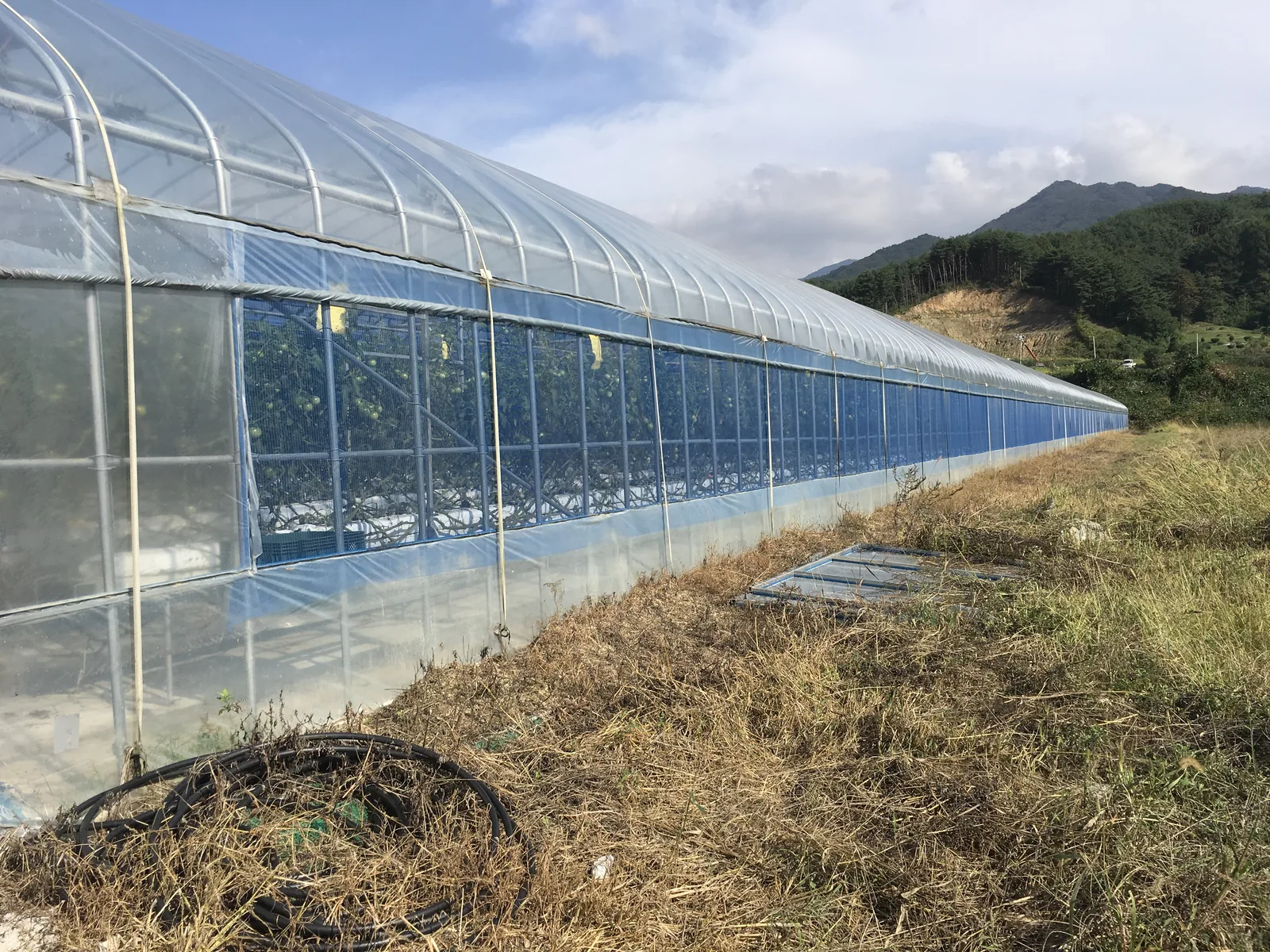
There is a gap in how greenhouse financing gets discussed in the US, and a lot of growers fall into it.
The NRCS high tunnel program gets most of the attention, because it is well known and the practice is straightforward. But it funds high tunnels, and high tunnels specifically: crops in the natural soil profile, no greenhouses. If what your operation needs is a climate controlled greenhouse, that program is not your route, and finding that out after three months of paperwork is a bad way to learn it.
So here is what else exists.
Farm Service Agency loans
FSA is the lending arm of USDA and it is the most direct route for structures that NRCS does not cover.
Farm Ownership loans cover real estate and permanent improvements, which includes greenhouse structures. Farm Operating loans cover equipment, inputs and working capital, which can include a greenhouse depending on how it is classified and how your plan is written.
Two features matter for growers who have been turned down elsewhere.
Beginning Farmer programs carry more favorable terms and are targeted at operators in their first ten years. If that is you, say so early, because it changes which pool your application sits in.
Microloans exist for smaller amounts with simplified paperwork. For a first structure on a small operation, this is often the fastest path from decision to money, and the application burden is genuinely lighter than the standard loan.
FSA also guarantees loans made by commercial lenders, which is how a bank that would otherwise decline an agricultural structure gets comfortable.
State level programs
This is the most underused category, and the reason is simple: there is no national list, so you have to go looking.
Most states run agricultural development programs through their department of agriculture, and many have specialty crop grants funded through the USDA Specialty Crop Block Grant Program but administered locally. Those grants often cover infrastructure that supports specialty crop production, which is exactly what a greenhouse is.
Some states run their own energy efficiency programs that a greenhouse can qualify for, particularly if you are installing thermal screens or efficient heating. Others have rural development funds, value added producer support, or programs aimed at extending local growing seasons.
The practical advice: call your state department of agriculture and ask what programs exist for protected agriculture infrastructure. Ask the question in those words. The person answering usually knows, and the programs are frequently undersubscribed because nobody asks.
Rural Development
USDA Rural Development runs several programs that reach greenhouse operations, though they are rarely framed that way.
Value Added Producer Grants support operations that process or differentiate what they grow. Extending your season so you can sell fresh product out of season is a form of differentiation, and it can be written that way.
Rural Energy for America Program covers energy efficiency improvements and renewable systems. For a greenhouse operation, that can reach heating systems, insulation and controls.
These are competitive and the applications are substantial. They suit operations that already have some scale and can afford the time to write a real proposal.
Commercial and equipment financing
Two routes here, and they behave differently.
Agricultural lenders who understand protected agriculture will finance a structure as a capital improvement. The key is that they need to see a plan with realistic production and market assumptions. A lender who has financed greenhouses before is worth driving to.
Equipment financing through the supplier or a third party treats the structure as equipment rather than real estate. Terms are usually shorter and rates higher, but approval is faster and the collateral is the structure itself.
For growers with an operating history and a clear market, commercial financing frequently moves faster than any grant, and speed has value when a planting window is closing.
How to choose
The honest sorting works like this.
If you want a high tunnel and grow in soil, start with NRCS. It is the best fit for that specific case and it exists precisely for it. See our guide to the deadlines and rules.
If you need a climate controlled greenhouse, start with FSA, especially if you are a beginning farmer or the amount is modest enough for a microloan.
If your project has an angle beyond production, season extension for local markets, energy efficiency, value added processing, look at state programs and Rural Development, because those angles are what those programs fund.
If you have history and a market and need to move now, commercial financing will beat all of the above on speed, and the interest cost may be less than the cost of missing a season.
What every one of these will ask for
Whichever route you take, the paperwork converges on the same questions. Prepare these once and you can apply anywhere.
What are you growing and who buys it. What does the structure cost, with a real quote, not an estimate. What does your production look like across the year, month by month. What is your operating history, or if you have none, what is your plan. What other financing is in place.
The application that gets funded is not the most optimistic one. It is the one where the numbers are conservative and the buyer is already identified.
A note on published numbers
Be skeptical of any article, including ones that look official, quoting fixed percentages, cost per square foot, or maximum payments. Program rates change annually and vary by state. The NRCS cost list is published per state per fiscal year, and the FY2026 list came out in October 2025. Anything you read that is more than a year old is describing a program that no longer has those numbers.
Go to the source, or call the office. Both are free.
If you need a real quote to attach to an application, tell us what you are planning through the project form and we will put together the specification and pricing your lender will ask for.
Program details reflect what was published as of July 2026. Confirm current terms directly with the agency before applying.
What we build
The products behind this article
Want this sized for your farm?
Tell us your crop, your acreage and your state. An advisor comes back with the structure that fits your climate, within one business day. No obligation.
Keep reading