 Guatemala
  México
  Perú
Perú  Costa Rica
  USA
USA NRCS High Tunnel Deadlines, State by State: How the System Works
NRCS high tunnel funding runs on state deadlines, not one national date. How the cutoff system works, why rates differ, and how to find yours.
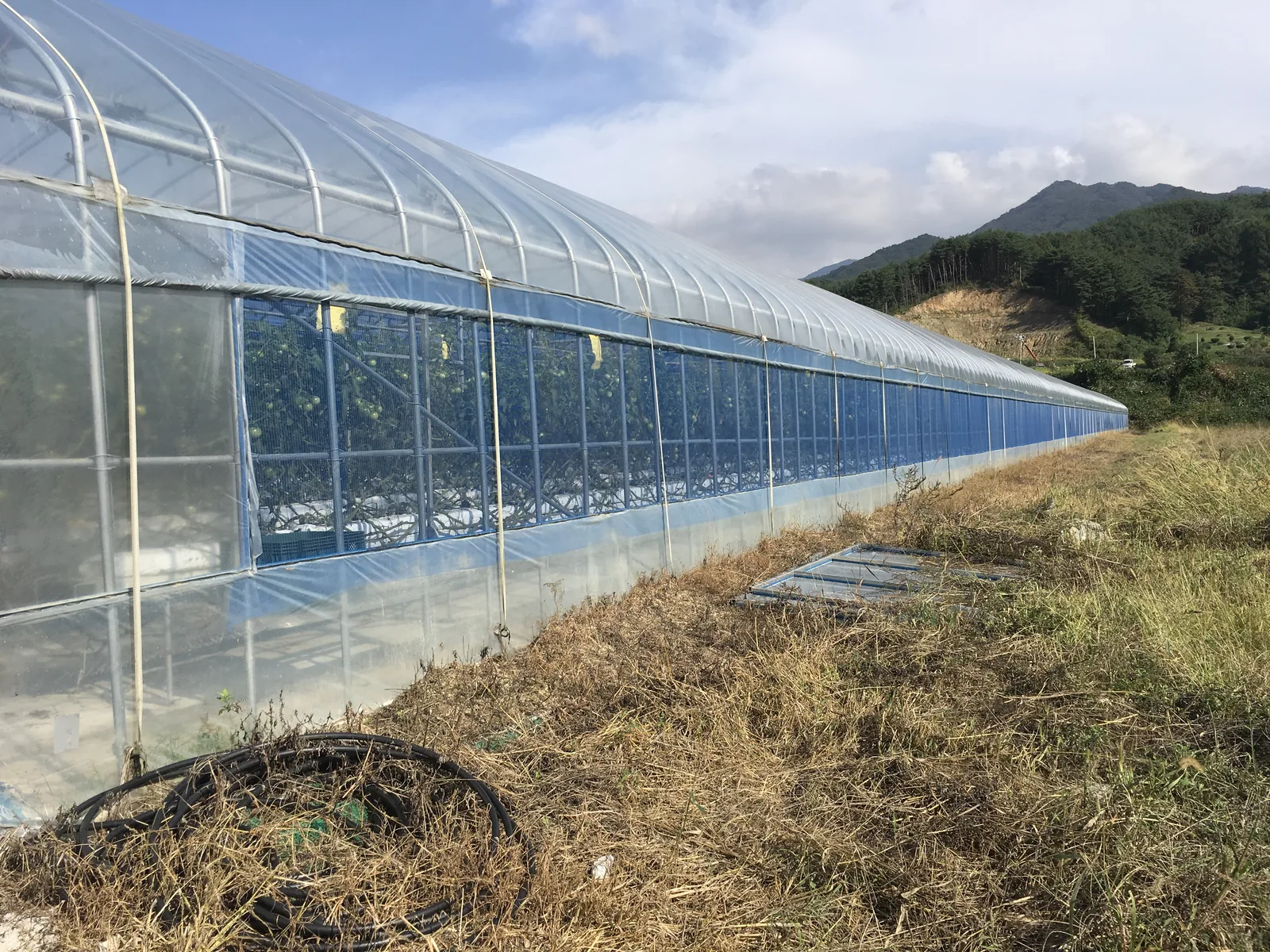
Most growers looking into the NRCS high tunnel program go searching for “the deadline,” find a date on some website, and assume they have it.
There is no national deadline. There is no single rate. Both are set by your state, both change from year to year, and a date you found on a blog is very likely wrong for where you farm.
Here is how the system actually works, so you can find the right answer for your state instead of the wrong answer for someone else’s.
Applications are accepted year round, funding is not
This is the part that confuses people, and it is the most important thing to understand.
You can walk into an NRCS field office and submit an application any day of the year. Applications are accepted continuously.
But funding is not awarded continuously. NRCS batches applications and evaluates them against ranking criteria at specific cutoff dates. Apply the day after a cutoff and your application is still valid, it simply waits for the next batch.
So “the deadline” is really “the next batch cutoff,” and missing it costs you a funding cycle, not your eligibility.
Cutoffs are set by state, and there are usually several
Each state office sets its own cutoff dates for the fiscal year. Some states run one primary cutoff, others run several through the year. Some use expedited processes for high tunnel applications specifically, because demand for that practice is high and the review is relatively simple.
For fiscal year 2026, the first application cutoff for new EQIP contracts fell in mid January 2026, and individual states set additional dates around that.
The practical consequence: two growers 40 miles apart on opposite sides of a state line can face completely different calendars.
Payment rates are also set by state, and change every year
This is where a lot of bad information circulates online.
You will find articles quoting a percentage of cost covered, or a dollar figure per square foot, or a maximum payment per tunnel. Treat all of it as unreliable, because NRCS publishes a cost list per state per fiscal year, and the rate you receive is the amount on that list for your state in your year.
The FY2026 cost list was scheduled for publication in October 2025. The FY2027 list will come out on a similar schedule and will carry different numbers.
One detail worth knowing, because it surprises growers: the payment is a fixed amount per unit from the cost list, paid on completion of the practice, regardless of what you actually spent installing it. If you build efficiently you may come out ahead of the listed rate. If you build an expensive version you absorb the difference.
What the practice actually requires
Before you spend time on the calendar, make sure you qualify. The practice is Conservation Practice Standard 325, High Tunnel System, and it has firm rules.
Crops must grow in the natural soil profile, or in raised beds no more than 12 inches high. This is the requirement that disqualifies the most applicants. Production on benches, in containers or in hydroponic systems is not growing in the soil profile, and the practice does not cover it.
The practice does not include greenhouses. This is a high tunnel program. A climate controlled greenhouse is a different structure and is not what CPS 325 funds. It also does not cover low tunnel systems.
The frame must be metal, wood or durable plastic, and the structure must be at least 6 feet high at the peak.
It cannot be used for livestock shelter or for storing supplies. The structure has to house a crop.
Our NRCS high tunnel grant guide walks through the program end to end.
How to find your state’s dates and rates
There is one reliable path, and it is not a search engine.
Start at the NRCS High Tunnel Initiative page and navigate to your state. State pages carry the current cutoffs and link to the current cost list.
Then call your local field office. Not the state office, the local one that serves your county. They know the current batch date, they know the ranking criteria that are being weighted this year, and they will tell you both if you ask. This conversation takes fifteen minutes and is worth more than any article, including this one.
Ask three questions: when is the next cutoff, what is the current rate for practice 325 in this state, and what is the ranking criteria this cycle. That last one matters, because ranking is how applications get chosen when demand exceeds funds, and knowing it lets you present your operation in the way that scores.
A realistic timeline
From first conversation to structure in the ground is usually longer than growers expect. There is the application, the conservation plan, the ranking cycle, the contract, then installation and verification.
Plan on that spanning a season. Growers who go in expecting a tunnel this spring because they applied this winter tend to be disappointed, and the disappointment is about the calendar, not the program.
One more thing
The NRCS route applies to high tunnels. If what you actually need is a climate controlled greenhouse, this program is not your path, and it is better to know that on day one than after three months of paperwork.
There are other financing routes for greenhouse structures, and we covered them in financing a greenhouse beyond NRCS.
If you are trying to work out which structure fits what you grow, our high tunnel page covers the tunnel side and the greenhouse page the other. Or tell us your situation through the project form.
Program rules, dates and rates in this article reflect what NRCS published as of July 2026. Always confirm current details with your state office before making decisions.
What we build
The products behind this article
Want this sized for your farm?
Tell us your crop, your acreage and your state. An advisor comes back with the structure that fits your climate, within one business day. No obligation.
Keep reading