
 Guatemala
  México
  Perú
Perú  Costa Rica
  USA
USA Your First NRCS Application, Step by Step
From the first phone call to a tunnel in the ground. What happens at each stage of an NRCS high tunnel application, in what order, and how long it really takes.
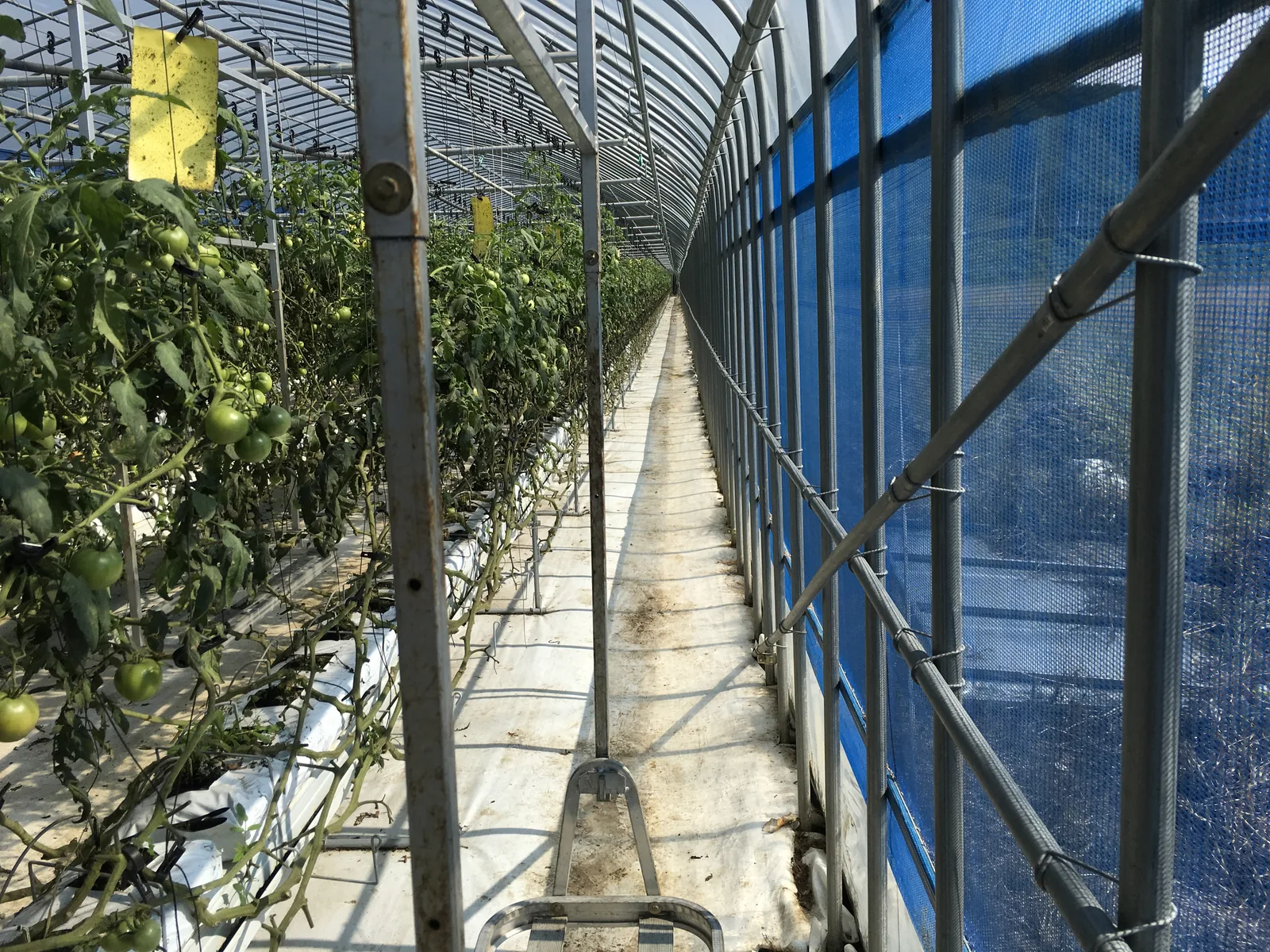
The NRCS process is not complicated, but it is unfamiliar, and unfamiliar feels complicated. Most growers stall not because a step is hard but because they do not know what the next one is.
Here is the whole sequence.
Step 1: Establish yourself with USDA
Before NRCS can do anything with your application, you need to exist in the USDA system.
That means a farm number through your local Farm Service Agency office. If you have ever participated in a USDA program you already have one. If you have not, this is the first stop, and it involves showing that you control the land: a deed, or a lease.
Do this first. Growers who skip ahead to NRCS and discover they need to go to FSA anyway lose weeks.
Step 2: Call your local field office
Not the state office. The local one that serves your county.
This conversation takes fifteen minutes and it is worth more than any article, including this one. Three questions to ask:
When is the next application cutoff? Applications are accepted year round but funded in batches. Knowing the date tells you your real calendar.
What is the current rate for practice 325 in this state? The cost list changes every fiscal year. Whatever number you read online is probably from another state or another year.
What are the ranking criteria this cycle? This is the question almost nobody asks and it is the most useful. When demand exceeds funds, applications get scored. Knowing what scores well lets you present your operation accurately in the way that counts.
Step 3: Confirm you actually qualify
Before investing more time, check the two rules that disqualify most applicants.
Will the crop grow in the natural soil profile, or in raised beds under 12 inches? Benches, containers and hydroponics do not qualify.
Is the structure unheated? Add climate control and it becomes a greenhouse, which this practice does not cover.
The full rule set is in what CPS 325 actually requires, and the things the program does not cover are in what NRCS will not pay for.
Step 4: Submit the application
The form itself is short. What matters is that it is in before the cutoff you asked about in step 2.
Submitting does not commit you to anything. You are not obligated to proceed if you are selected, though withdrawing repeatedly does not help your standing.
Step 5: The conservation plan
A conservation planner from NRCS will work with you on what gets installed and where. This usually includes a site visit.
Come prepared and this goes faster: know where the tunnel is going, which way it will be oriented, what you plan to grow, and where your water is. If you already have a quote from a supplier with the structure’s specifications, bring it.
Step 6: Ranking and selection
Your application gets scored against the criteria for that batch and compared with everyone else’s.
This is the step you cannot control and the one that takes the longest in calendar terms. Not selected does not mean rejected: it usually means the batch was competitive and yours waits for the next round.
Step 7: The contract
If selected, you sign a contract that specifies the practice, the payment rate and the timeline for installation.
Read the timeline. There is a window in which the practice has to be installed, and missing it causes real problems. Make sure your supplier can actually deliver inside that window before you sign.
Step 8: Install
Now you build. To the standard, as specified in the contract.
This is also when everything the program does not cover lands on you: site prep, water, power, permits. If you budgeted for the whole project instead of just the tunnel, this is the moment that pays off.
Step 9: Verification and payment
NRCS verifies the practice was installed to the standard. Then the payment is issued, at the fixed rate from the cost list, regardless of what you actually spent.
How long all of this takes
Longer than growers expect, and the expectation gap causes more frustration than the process itself.
Between the application, the conservation plan, the ranking cycle, the contract and the installation window, plan on this spanning a season. Growers who apply in winter expecting a tunnel that spring are usually disappointed, and the disappointment is about the calendar, not the program.
The practical version: decide a year ahead of when you want to be growing under it.
What to do while you wait
Two things worth doing in parallel rather than in sequence.
Get a real quote with specifications. It helps the conservation planning conversation and it tells you what the rest of the project costs.
Do your site homework. A soil test, a water test, and an honest look at drainage. These cost almost nothing and they are the layer that everything else sits on.
If you want a quote to bring to that conversation, the high tunnel specifications are here, or tell us your site through the project form and we will size it.
Process described reflects what NRCS published as of July 2026. Deadlines, rates and ranking criteria are set by each state and change annually. Your local field office is the authority.
What we build
The products behind this article
Want this sized for your farm?
Tell us your crop, your acreage and your state. An advisor comes back with the structure that fits your climate, within one business day. No obligation.
Keep reading