
 Guatemala
  México
  Perú
Perú  Costa Rica
  USA
USA Fresh Herbs Year Round: Basil, Cilantro, Parsley
Three herbs, three different temperature requirements. Running them at one setpoint is why herb operations underperform.
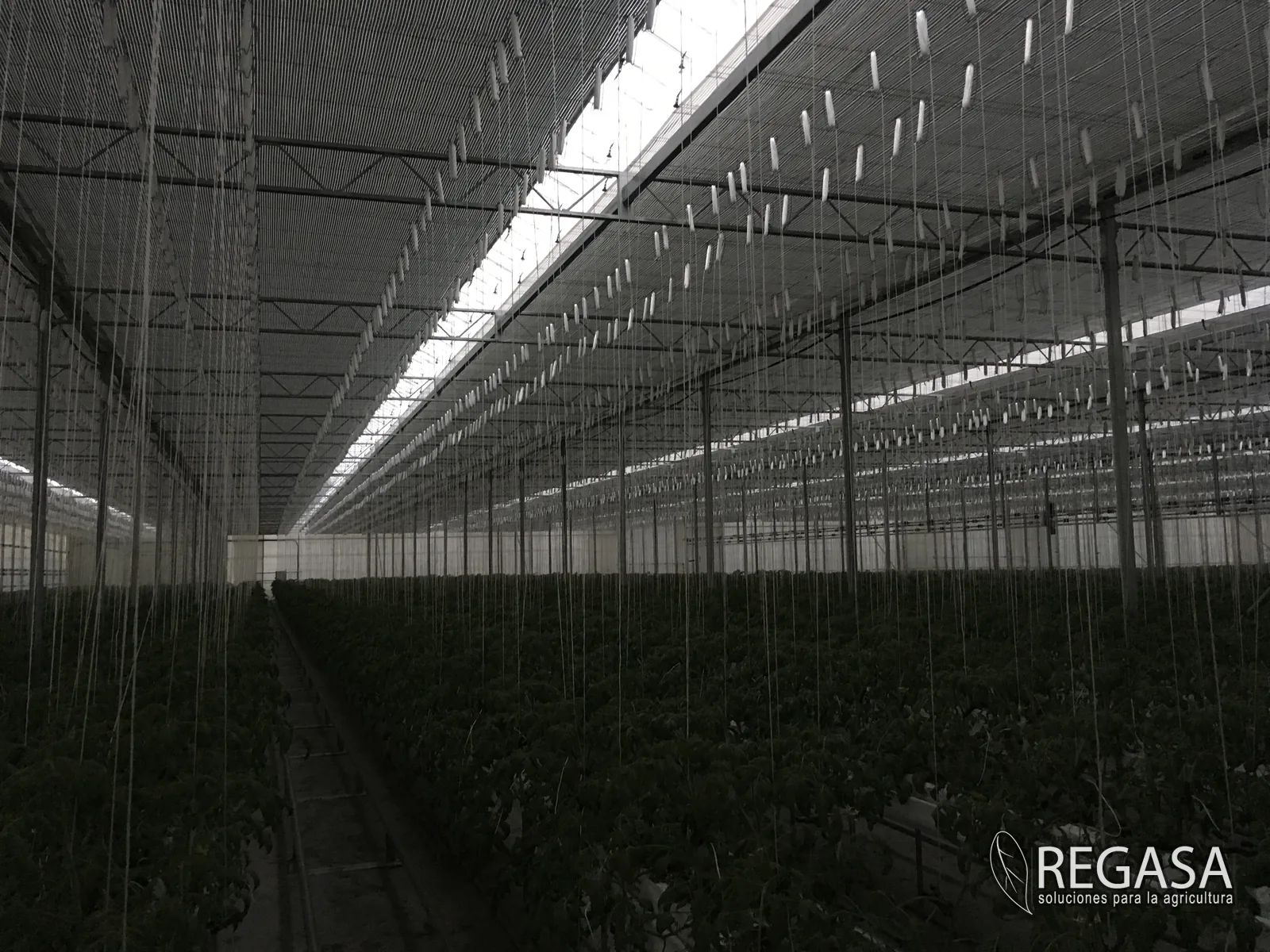
Herbs look like one crop category and they are not.
Basil, cilantro and parsley have genuinely different temperature requirements, and trying to run all three in the same house at the same setpoint is the most common reason herb operations underperform. One of them is always unhappy.
Understanding that difference is most of what makes this crop work.
The three, and what each one wants
Basil wants heat. It is a warm-season crop and it sulks below its range. Cold basil turns dark, stops growing and loses quality fast. In a northern winter, basil is a heated crop or it is not a crop. It is also the highest-value of the three and the one buyers ask for most, which is why growers push it anyway.
Cilantro wants cool. It bolts when it gets warm, and bolted cilantro is unsellable. In much of the country the difficult season for cilantro is summer, not winter, which is the opposite of basil. Short cycle, fast turns, and constant demand.
Parsley is the tolerant one. Wider temperature range, slower growing, more forgiving of imperfect conditions. It is the crop that keeps producing while you are fixing something else.
The practical consequence
If you want all three, you need either separate zones or a seasonal rotation.
Separate zones means a structure that can hold different setpoints in different sections, which usually means gutter-connected bays with independent climate control. See the Hybrid R multi-bay tunnel.
Seasonal rotation means basil in the warm months, cilantro in the cool months, parsley through both. This is the low-capital answer and it works well in a single unheated or lightly heated house. It also means your product mix changes through the year, so your buyer needs to be fine with that.
Growers who try to hold one setpoint year-round for all three get mediocre basil in winter and bolted cilantro in summer, and blame the structure.
What all three need
Air movement. Herbs are harvested as foliage, and foliage sitting in still humid air develops disease. Circulation fans are cheap and they do more for herb quality than almost anything else you can install.
Dry leaves. Overhead irrigation on a foliage crop is asking for trouble. Drip, always. See GreenDrip and BlueDrip drip tape.
Consistent feeding. Herbs are cut repeatedly from the same plant, which is a continuous demand rather than a single build to harvest. Feeding through the line at the right rate is exactly what fertigation is for, and it shows up directly in leaf quality. See Koasis 5000 fertigation control.
Screening. Aphids on herbs are both a quality problem and a virus vector, and unlike a fruit crop there is nothing to peel or discard. The leaf is the product. See insect netting.
Where the value actually is
Herbs are one of the crops where local beats everything.
Cut herbs are perishable, they travel poorly, and quality degrades visibly within days. A grower delivering to a restaurant an hour away is selling a genuinely different product from what arrives by truck from across the country, and chefs know it immediately.
That means the market is a radius, not a region. Your buyers are the restaurants, retailers and distributors close enough for same-day or next-day delivery, and inside that radius you have a real advantage that no amount of scale elsewhere can overcome.
It also means the ceiling is set by that radius. Size the operation to it, not to what the greenhouse could produce.
Basil and the winter question
Worth separating out, because it is the decision that determines the whole economics in a cold climate.
Heated basil through winter is the highest-value product you can sell in that season, because everyone else’s basil is coming from far away and it shows. It also means paying to heat a warm-season crop through the coldest months, which is a serious operating cost.
The alternative is to run basil in the warm season and fill the house with cool-season crops in winter: cilantro, parsley, greens. Lower revenue, much lower cost, and no risk of a heating failure taking out a crop overnight.
Which is right depends on your power cost, your buyer, and whether the winter premium in your market actually covers the heat. Run that arithmetic before you commit, not after. The framework is in is a greenhouse a good investment.
Where to start
Herbs are a strong first crop under cover for the same reason leafy greens are: short cycles mean fast feedback, and a mistake costs you weeks rather than a season.
A high tunnel with drip and good ventilation runs cool-season herbs in most of the country with no heat at all. That is the cheapest way to find out whether the delivery radius around you has the accounts you think it does.
If it does, the greenhouse project form sizes the next structure against a real weekly number.
What we build
The products behind this article
Want this sized for your farm?
Tell us your crop, your acreage and your state. An advisor comes back with the structure that fits your climate, within one business day. No obligation.
Keep reading