
 Guatemala
  México
  Perú
Perú  Costa Rica
  USA
USA Cut Flowers Under Cover: Gerbera, Ranunculus, Anemone
Cut flowers pay for two things a structure delivers directly: stem quality and precise timing. That combination is why protected growing changed this crop.
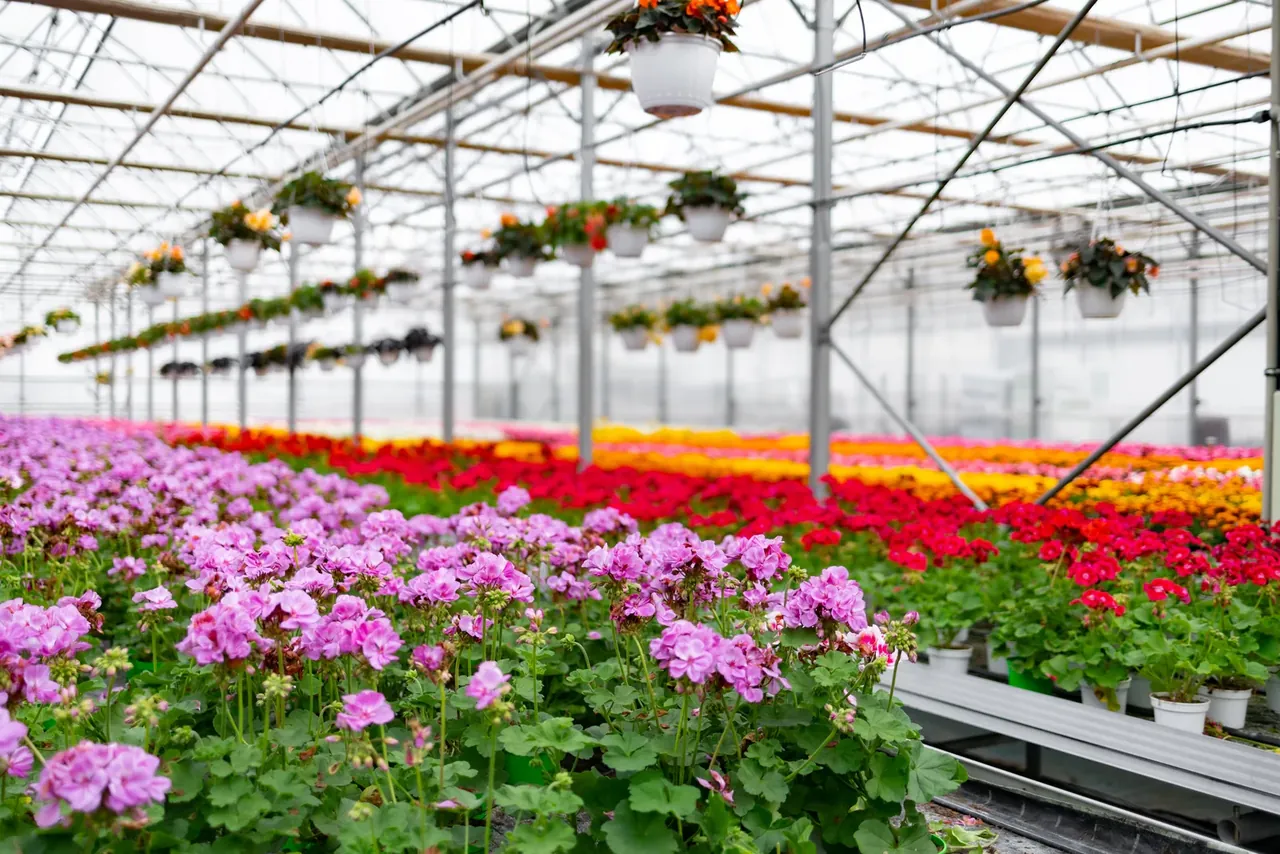
Cut flowers are one of the highest-margin crops you can grow under cover in the US, and the reason is not yield.
It is that the buyer pays for two things a structure delivers directly: stem quality and timing. Neither is achievable in the open field with any reliability, and both are worth a great deal.
Why protection changes this crop specifically
Rain destroys a flower crop. Not the plant, the product. A stem that is bruised, spotted or laid flat by a storm is unsellable, and that is a total loss of the item rather than a yield reduction. This is different from vegetables, where weather damage usually costs you some of the crop rather than all of a stem.
Stem length and straightness are the grade. Wind produces crooked stems. Uneven light produces uneven length. Under cover both are controllable, and the grade moves up.
Timing is the whole business. Flowers are sold into dated events: Valentine’s Day, Mother’s Day, weddings, holidays. Being two weeks early or late is not a smaller sale, it is often no sale. A structure lets you steer the crop toward a date rather than hoping.
Clean foliage. Overhead water marks petals and spreads botrytis. Drip keeps water off the flower, which is why it is standard in protected floriculture. See GreenDrip and BlueDrip drip tape.
The three crops, briefly
Gerbera. A long-cycle producer that keeps yielding from the same plant, which spreads establishment cost across a lot of stems. It wants stable warmth and it wants dry foliage, so ventilation and drip do most of the work. Sensitive to root disease, which makes drainage and irrigation discipline important.
Ranunculus. A cool-season crop, which makes it a strong fit for the shoulder seasons and for winter production in mild regions. It performs well in a high tunnel with no heat in much of the country, and the timing control a structure gives you is what makes it hit the spring event calendar.
Anemone. Similar cool-season profile and often grown alongside ranunculus on the same schedule and the same beds. The pairing is common because the requirements overlap almost entirely.
Together these three cover a meaningful part of the specialty cut flower calendar, and two of the three do not need heat in most of the country, which keeps the operating cost low.
What the structure has to do
Ventilate well. Botrytis is the main disease pressure in cut flowers and it lives on still, humid air. Circulation fans and adequate vent area matter more here than in most crops. See greenhouse ventilation: passive, forced, and when you need which.
Diffuse light. Even light produces even stem length, which is grade, which is price. This is one of the crops where diffusion in the covering earns its cost clearly. See greenhouse film.
Keep pests out. Thrips damage petals directly and carry tospoviruses that end a crop. This is one of the crops where thrips-level screening is worth the airflow penalty, which in turn means the vent area has to be enlarged to compensate. See insect netting mesh sizes.
Give you working room. Cut flowers are harvested by hand, repeatedly, and graded on site. Aisles that are comfortable for a person carrying stems are not a luxury in this crop.
Where the money is made and lost
Made: on grade and on date. A long straight clean stem into a dated market is a different product from an average stem in an ordinary week, and it prices accordingly.
Lost: on timing misses and on post-harvest. Flowers are perishable and unforgiving. Cold chain, clean water, and speed from cut to cooler decide how much of what you grew you actually sell.
Growers who come to flowers from vegetables consistently underestimate the post-harvest side. The growing is not the hard part.
Who this fits
Direct and local sellers. Farmers markets, florists, weddings, subscription bouquets. The premium for local and seasonal is real and the buyer is nearby.
Diversified operations with a shoulder-season gap. Ranunculus and anemone occupy a structure in the months when many vegetable crops do not, which is a genuinely useful thing for a tunnel that would otherwise sit empty. We covered the same idea for vegetables in spinach and kale as winter fill crops.
Growers who like precision. This crop rewards attention to detail more than it rewards scale.
The entry point
Most successful specialty cut flower operations we see started in an unheated high tunnel with cool-season crops, learned the timing against their local event calendar, and expanded from there.
It is a low-capital entry, it may qualify for the USDA NRCS High Tunnel Initiative provided the crop grows in the natural soil profile, and the thing you learn in year one, how to steer a crop toward a date in your climate, is exactly the thing that makes the business work.
For sizing a structure against a real order book rather than a hoped-for one, see how to size your first greenhouse or the greenhouse project form.
What we build
The products behind this article
Want this sized for your farm?
Tell us your crop, your acreage and your state. An advisor comes back with the structure that fits your climate, within one business day. No obligation.
Keep reading